THE ADVENTURE COLLECTIVE® · Independent discovery and booking for outdoor travel

Explore Lisbon’s queer night scene on a small-group evening tour that blends tapas, local bars and historical context. Visit community-driven venues, see murals tied to Portugal’s political past, and learn how immigration reshapes queer culture in the city.
Explore Lisbon’s queer night scene on a small-group evening tour that blends tapas, local bars and historical context. Visit community-driven venues, see murals tied to Portugal’s political past, and learn how immigration reshapes queer culture in the city.
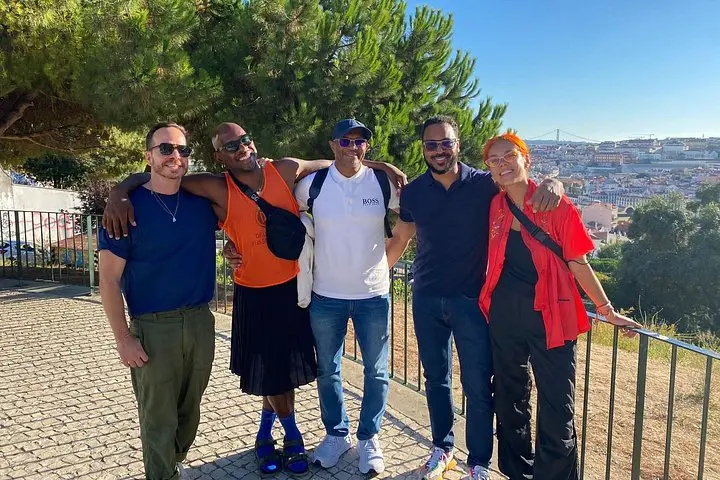
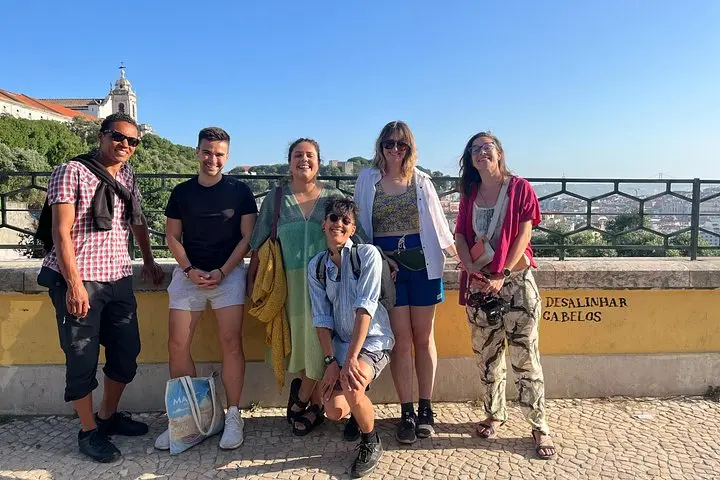
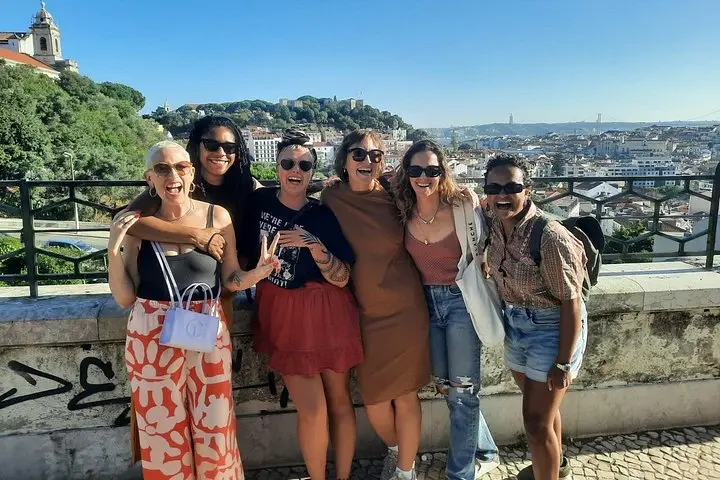
A salt-sweet breeze from the Tagus cools the cobbled streets as you gather at Miradouro dos Barros; the city lights blink awake and the night begins to speak. This guided evening moves on foot through Bairro Alto and adjacent neighborhoods, stopping at community hubs where music, conversation and activism meet over plates of tapas and local wine.
Verified experiences and guided adventures in the surrounding area.
Operated by Queer Lisbon Tour · Lisbon, Lisboa
A salt-sweet breeze from the Tagus cools the cobbled streets as you gather at Miradouro dos Barros; the city lights blink awake and the night begins to speak. This guided evening moves on foot through Bairro Alto and adjacent neighborhoods, stopping at community hubs where music, conversation and activism meet over plates of tapas and local wine.
Lisbon’s layered past — from the 1974 Carnation Revolution to modern debates about gentrification and immigration — shapes these venues. The tour pauses at murals and meeting places that record political ruptures and queer resilience, and it highlights how immigrant-led initiatives have reframed Portugal’s queer scene. Geology and topography are part of the story here too: Lisbon’s steep hills and viewpoints shaped how neighborhoods developed and how nightlife clusters around accessible plazas and stairways.
You’ll visit 2–3 cultural spaces and bars such as Damas and other queer-run venues, hear local guides explain recent closures and community responses, and finish in a queer-owned bar where conversation focuses on contemporary activism and collectives.
Practical guide: the experience lasts about 3.5 hours, runs in Portuguese and English, and suits small groups (up to 15). Wear grippy shoes for uneven cobbles, bring a light jacket for coastal breezes, and carry a charged phone — the tour supports local venues directly, so purchasing drinks or tapas helps sustain them. Public transport and short taxi rides are convenient for arriving and departing; plan for late-night returns and check cancellation policies 24 hours in advance.
The meeting point is Miradouro dos Barros; the tour finishes at a queer-owned bar in central Lisbon—details are provided on booking confirmation.
Yes; the tour welcomes allies and visitors who want to learn respectfully about Lisbon’s queer history and spaces.
The experience includes tapas-style tastings at some stops, but purchasing additional drinks or plates directly at venues is encouraged to support them.
The tour notes stroller accessibility for infants, but parts of the route include uneven cobbles and short stairways—contact the operator to assess wheelchair access needs.
Queer Lisbon Tour operates guided outdoor trips and adventures with an emphasis on safety, stewardship, and memorable experiences.

A salt-sweet breeze from the Tagus cools the cobbled streets as you gather at Miradouro dos Barros; the city lights blink awake and the night begins to speak. This guided evening moves on foot through Bairro Alto and adjacent neighborhoods, stopping at community hubs where music, conversation and activism meet over plates of tapas and local wine.
A salt-sweet breeze from the Tagus cools the cobbled streets as you gather at Miradouro dos Barros; the city lights blink awake and the night begins to speak. This guided evening moves on foot through Bairro Alto and adjacent neighborhoods, stopping at community hubs where music, conversation and activism meet over plates of tapas and local wine.
Lisbon’s layered past — from the 1974 Carnation Revolution to modern debates about gentrification and immigration — shapes these venues. The tour pauses at murals and meeting places that record political ruptures and queer resilience, and it highlights how immigrant-led initiatives have reframed Portugal’s queer scene. Geology and topography are part of the story here too: Lisbon’s steep hills and viewpoints shaped how neighborhoods developed and how nightlife clusters around accessible plazas and stairways.
You’ll visit 2–3 cultural spaces and bars such as Damas and other queer-run venues, hear local guides explain recent closures and community responses, and finish in a queer-owned bar where conversation focuses on contemporary activism and collectives.
Practical guide: the experience lasts about 3.5 hours, runs in Portuguese and English, and suits small groups (up to 15). Wear grippy shoes for uneven cobbles, bring a light jacket for coastal breezes, and carry a charged phone — the tour supports local venues directly, so purchasing drinks or tapas helps sustain them. Public transport and short taxi rides are convenient for arriving and departing; plan for late-night returns and check cancellation policies 24 hours in advance.