THE ADVENTURE COLLECTIVE® · Independent discovery and booking for outdoor travel

Walk a working polyculture farm near Quepos to taste cacao in its raw form, learn spice cultivation, and finish with a wood-fired Costa Rican meal. This four-hour tour blends hands-on demonstrations with sustainability lessons about local agriculture.
Walk a working polyculture farm near Quepos to taste cacao in its raw form, learn spice cultivation, and finish with a wood-fired Costa Rican meal. This four-hour tour blends hands-on demonstrations with sustainability lessons about local agriculture.
Morning light cuts through banana leaves as you step onto a working polyculture farm outside Quepos. The air smells of damp earth and crushed cacao; orchids lean close and vanilla vines thread through taller trees. Guides move with practiced calm, pointing out peppercorn clusters and the glossy pods of cacao as if introducing old friends.
Verified experiences and guided adventures in the surrounding area.
Operated by Bioexploring Quepos · Quepos, Puntarenas
Morning light cuts through banana leaves as you step onto a working polyculture farm outside Quepos. The air smells of damp earth and crushed cacao; orchids lean close and vanilla vines thread through taller trees. Guides move with practiced calm, pointing out peppercorn clusters and the glossy pods of cacao as if introducing old friends.
This region of Puntarenas has long balanced subsistence farming and export crops. The tour traces cacao’s arc from pre-Columbian use through colonial shifts to present-day smallholdings that favor biodiversity over monoculture. Geologically the low Pacific foothills are young, volcanic soils that drain quickly—exactly the mineral-rich ground many spices prefer.
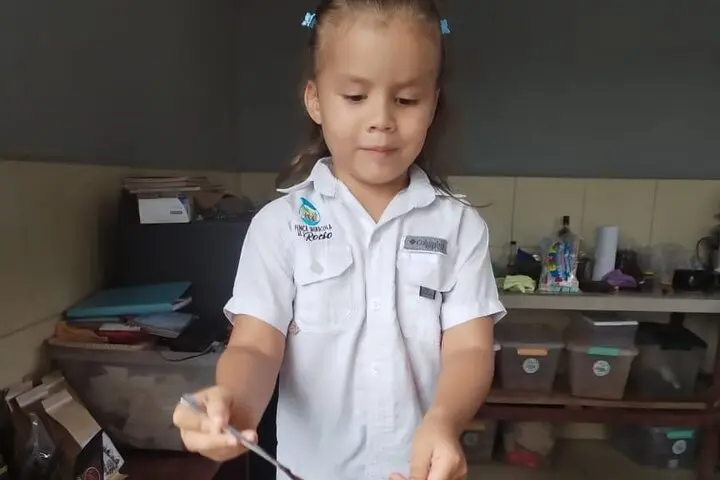
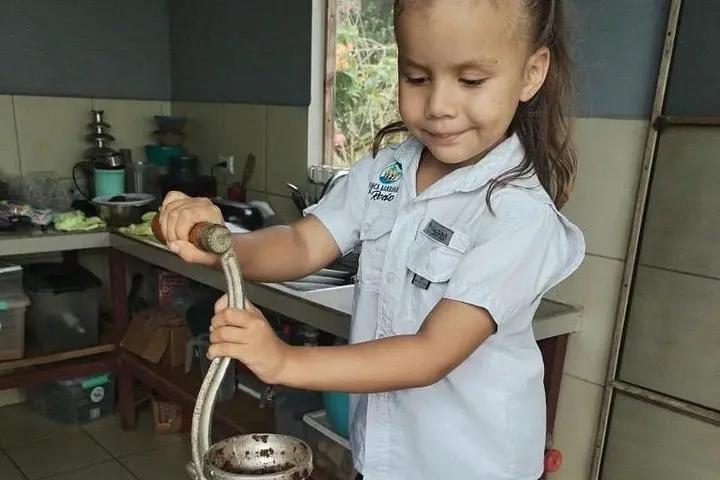
Cultural notes arrive in the kitchen: a wood-fired stove, local cooks, and recipes passed through generations. Tasting sessions show raw cacao’s bitter depth and how roasting, grinding, and blending reveal chocolate’s familiar sweetness. Guides also demonstrate cinnamon, black pepper, and vanilla processing, explaining how polyculture reduces pests and builds soil.
Practical guidance: the full experience runs about four hours with included hotel pickup in Quepos. Paths are mostly flat dirt and suitable for all fitness levels; bring sun protection and insect repellent. Expect active demonstrations—wear closed-toe shoes and be ready to kneel briefly for planting or harvesting demos. Hydrate; tropical heat can rise quickly and the farm’s shade is patchy.
Whether you come for the chocolate or the local cooking, the tour pairs sensory learning with practical lessons in sustainable farming—leaving you with recipes, small-batch chocolate tasting, and a clearer picture of Costa Rican agroecology.
Yes—private transport is included; you must specify your preferred pickup point when booking.
The operator lists the experience as stroller and wheelchair accessible and suitable for all fitness levels, but check pickup logistics and any mobility needs ahead of time.
Yes; the highlight is tasting cacao in multiple forms, from raw pulp to processed chocolate made using traditional methods.
A wood-fired meal is included; indicate dietary restrictions when booking so the host can accommodate where possible.
Bioexploring Quepos operates guided outdoor trips and adventures with an emphasis on safety, stewardship, and memorable experiences.
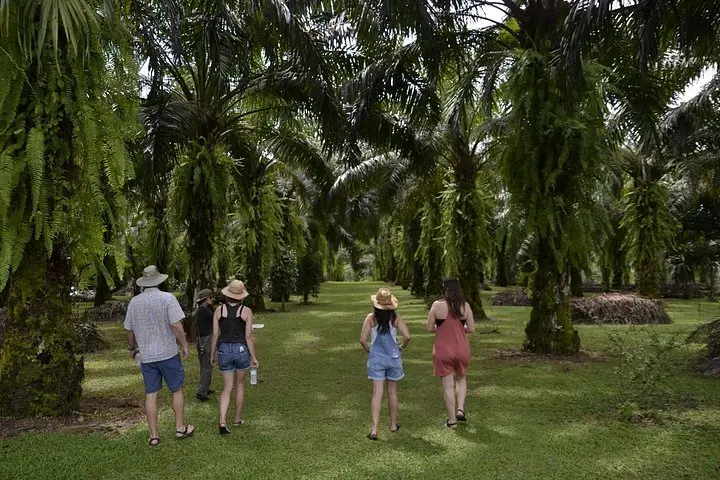
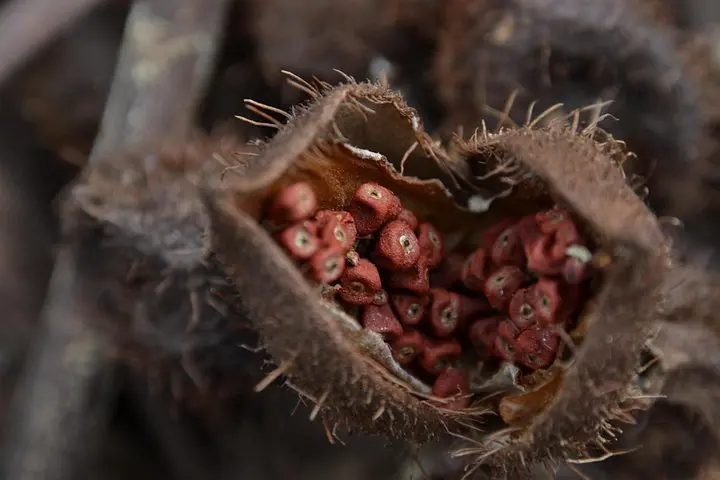
Morning light cuts through banana leaves as you step onto a working polyculture farm outside Quepos. The air smells of damp earth and crushed cacao; orchids lean close and vanilla vines thread through taller trees. Guides move with practiced calm, pointing out peppercorn clusters and the glossy pods of cacao as if introducing old friends.
Morning light cuts through banana leaves as you step onto a working polyculture farm outside Quepos. The air smells of damp earth and crushed cacao; orchids lean close and vanilla vines thread through taller trees. Guides move with practiced calm, pointing out peppercorn clusters and the glossy pods of cacao as if introducing old friends.
This region of Puntarenas has long balanced subsistence farming and export crops. The tour traces cacao’s arc from pre-Columbian use through colonial shifts to present-day smallholdings that favor biodiversity over monoculture. Geologically the low Pacific foothills are young, volcanic soils that drain quickly—exactly the mineral-rich ground many spices prefer.
Cultural notes arrive in the kitchen: a wood-fired stove, local cooks, and recipes passed through generations. Tasting sessions show raw cacao’s bitter depth and how roasting, grinding, and blending reveal chocolate’s familiar sweetness. Guides also demonstrate cinnamon, black pepper, and vanilla processing, explaining how polyculture reduces pests and builds soil.
Practical guidance: the full experience runs about four hours with included hotel pickup in Quepos. Paths are mostly flat dirt and suitable for all fitness levels; bring sun protection and insect repellent. Expect active demonstrations—wear closed-toe shoes and be ready to kneel briefly for planting or harvesting demos. Hydrate; tropical heat can rise quickly and the farm’s shade is patchy.
Whether you come for the chocolate or the local cooking, the tour pairs sensory learning with practical lessons in sustainable farming—leaving you with recipes, small-batch chocolate tasting, and a clearer picture of Costa Rican agroecology.