THE ADVENTURE COLLECTIVE® · Independent discovery and booking for outdoor travel

Walk through cacao rows and vanilla vines outside Quepos, taste coffee and bean-to-bar samples, and enjoy a local lunch. This three-hour plantation tour pairs hands-on learning with transportation and easy walking on farm trails.
Walk through cacao rows and vanilla vines outside Quepos, taste coffee and bean-to-bar samples, and enjoy a local lunch. This three-hour plantation tour pairs hands-on learning with transportation and easy walking on farm trails.
Morning heat and the smell of fresh soil meet you before the first cacao pod is cracked open. Trees arch overhead on a working plantation outside Quepos; the guide walks slowly, tapping ripened pods and passing small samples that taste of tangy fruit, bitter nibs and the sweet finish of local sugarcane.
Verified experiences and guided adventures in the surrounding area.
Operated by Jungle Night Tour Manuel Antonio · Quepos, Puntarenas
Morning heat and the smell of fresh soil meet you before the first cacao pod is cracked open. Trees arch overhead on a working plantation outside Quepos; the guide walks slowly, tapping ripened pods and passing small samples that taste of tangy fruit, bitter nibs and the sweet finish of local sugarcane.
Costa Rica’s Pacific lowlands have grown cacao since pre-Columbian times, and plantations here sit on volcanic soils that help concentrate flavor. On this small-plot tour visitors move from cacao rows to vanilla vines and a compact botanical garden of medicinal plants, learning the steps from bean to bar while sampling coffee, chocolate and a traditional lunch. The route reflects both colonial-era sugarcane influences and modern shade-grown techniques that favor biodiversity.
Culturally the visit ties food, farming and coastal rhythms: expect conversations about harvest cycles and the practicalities of artisanal production rather than a factory demonstration. Geology matters—the humid, volcanic soils and steady coastal humidity shape both crop choice and flavor profile.
Practical guidance: wear sturdy walking shoes for muddy rows, carry a reusable bottle and bring sun-and-rain protection; the tour is light on terrain but rich in sensory detail. Pickup and air-conditioned transport simplify logistics from Quepos. Allow three hours, bring a camera for close-up shots of pods and orchids, and plan for mild elevation change around plantation terraces. This is an accessible, educational half-day that pairs a relaxed walk with substantial tastings and a local lunch—ideal for travelers who want hands-on food culture without heavy hiking.
The experience lasts about three hours and includes guided plantation walk, coffee and chocolate tastings, a local lunch and round-trip transport from Quepos.
Yes — the tour is family-friendly; infants can ride in strollers and infant seats are available but small children should be supervised near plants and farm equipment.
You can note dietary needs when booking; the operator typically accommodates common restrictions but confirm ahead of time for strict allergies.
No — an air-conditioned vehicle pickup and return from Quepos is included; you’ll provide a pickup point during booking.
Jungle Night Tour Manuel Antonio operates guided outdoor trips and adventures with an emphasis on safety, stewardship, and memorable experiences.
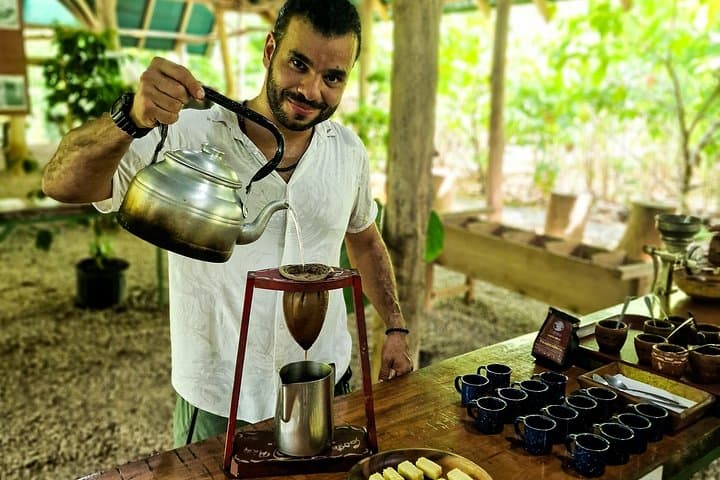
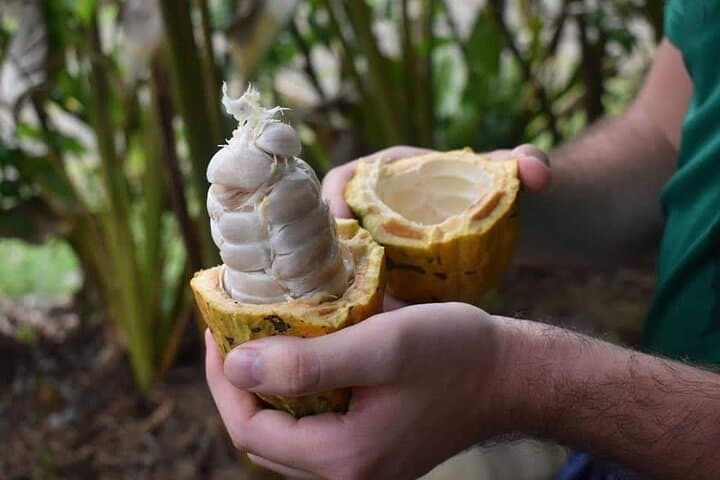
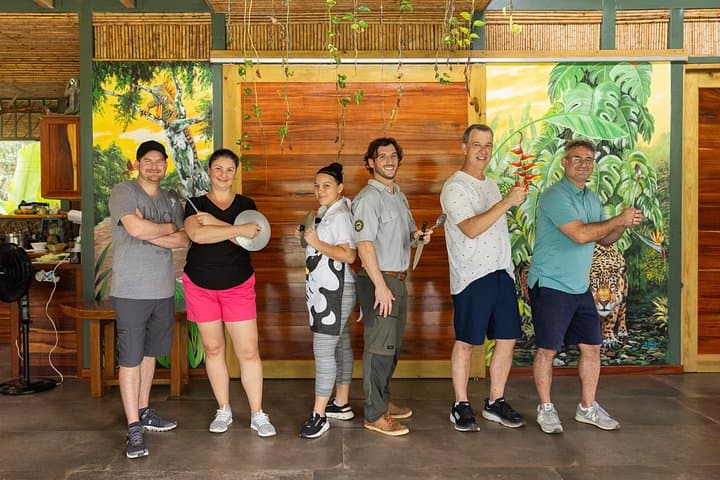

Morning heat and the smell of fresh soil meet you before the first cacao pod is cracked open. Trees arch overhead on a working plantation outside Quepos; the guide walks slowly, tapping ripened pods and passing small samples that taste of tangy fruit, bitter nibs and the sweet finish of local sugarcane.
Morning heat and the smell of fresh soil meet you before the first cacao pod is cracked open. Trees arch overhead on a working plantation outside Quepos; the guide walks slowly, tapping ripened pods and passing small samples that taste of tangy fruit, bitter nibs and the sweet finish of local sugarcane.
Costa Rica’s Pacific lowlands have grown cacao since pre-Columbian times, and plantations here sit on volcanic soils that help concentrate flavor. On this small-plot tour visitors move from cacao rows to vanilla vines and a compact botanical garden of medicinal plants, learning the steps from bean to bar while sampling coffee, chocolate and a traditional lunch. The route reflects both colonial-era sugarcane influences and modern shade-grown techniques that favor biodiversity.
Culturally the visit ties food, farming and coastal rhythms: expect conversations about harvest cycles and the practicalities of artisanal production rather than a factory demonstration. Geology matters—the humid, volcanic soils and steady coastal humidity shape both crop choice and flavor profile.
Practical guidance: wear sturdy walking shoes for muddy rows, carry a reusable bottle and bring sun-and-rain protection; the tour is light on terrain but rich in sensory detail. Pickup and air-conditioned transport simplify logistics from Quepos. Allow three hours, bring a camera for close-up shots of pods and orchids, and plan for mild elevation change around plantation terraces. This is an accessible, educational half-day that pairs a relaxed walk with substantial tastings and a local lunch—ideal for travelers who want hands-on food culture without heavy hiking.