THE ADVENTURE COLLECTIVE® · Independent discovery and booking for outdoor travel

Ride a buffalo-drawn wagon across a working palm and bamboo farm near Quepos, and learn how RSPO-certified palm is grown, gathered and processed. This 2–3 hour eco-tour combines hands-on animal encounters with practical lessons in sustainable small-scale agriculture.
Ride a buffalo-drawn wagon across a working palm and bamboo farm near Quepos, and learn how RSPO-certified palm is grown, gathered and processed. This 2–3 hour eco-tour combines hands-on animal encounters with practical lessons in sustainable small-scale agriculture.
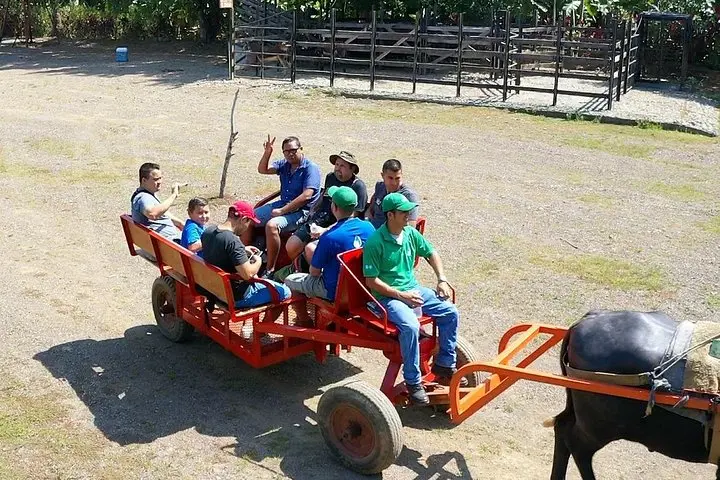
A dirt lane opens to a low, rolling field; the air carries the oily scent of pressed fruit and the rhythmic creak of a wagon harnessed to a water buffalo. You move slowly across sixty-five hectares of mixed bamboo and African oil-palm, the guide pointing out trunk scars, irrigation swales and the way sunlight pools on the leaves.
Verified experiences and guided adventures in the surrounding area.
Operated by Nacarcosta Wildlife Adventure · Quepos, Puntarenas
A dirt lane opens to a low, rolling field; the air carries the oily scent of pressed fruit and the rhythmic creak of a wagon harnessed to a water buffalo. You move slowly across sixty-five hectares of mixed bamboo and African oil-palm, the guide pointing out trunk scars, irrigation swales and the way sunlight pools on the leaves.
The tour frames a recent chapter in Costa Rica’s coastal economy: African palm plantations that reshaped local land use over the last century. On this farm the story is practical — RSPO-certified oil, solar panels, and water-harvesting systems — and cultural, with daily life shaped around animal care and communal harvests. Geologically the area sits on sedimentary plains that hold water well, which helps both bamboo groves and palms thrive.
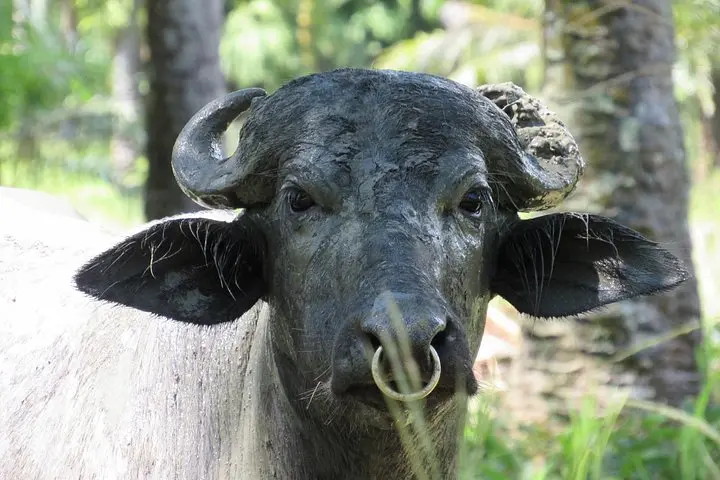
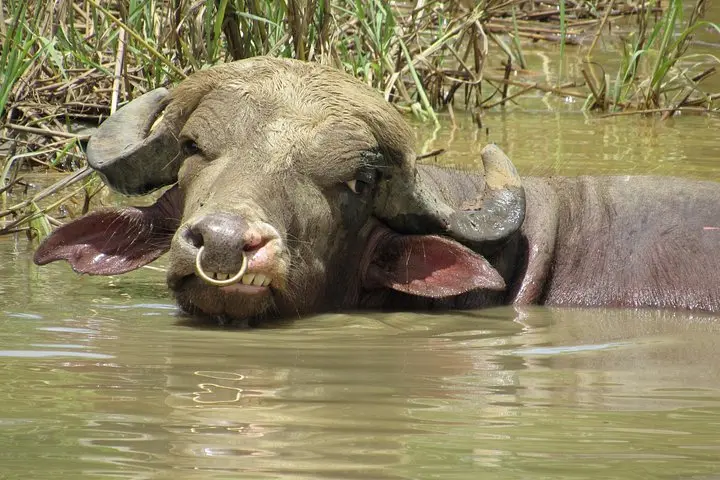
Expect managed trails, flat to gently rolling terrain, and close encounters with farm animals: chickens, goats, sheep, geese, donkeys, cows and the stately water buffalo that double as draft animals. Guides explain the palm fruit collection, processing basics and local uses of vegetable oil, then let you ride a buffalo-drawn wagon or walk beside it.
Practical notes: the visit lasts about two to three hours, mostly easy walking with short stops; sunscreen and closed-toe shoes make the visit more comfortable. Bring a reusable water bottle and a light rain layer in the wet season. Be ready to move slowly — the animals set the pace — and to learn the economics and sustainability efforts that keep this working farm productive and community-focused.
The experience runs about 2–3 hours, with guided stops that cover the plantation, animal areas and a ride or walk with a water buffalo.
Yes—infants must sit on an adult's lap. The itinerary is family-friendly but requires supervision around animals.
The tour includes snacks such as fresh fruit and water, but not a full meal—plan accordingly.
Yes, guided interactions with chickens, goats and water buffalo are part of the visit; follow staff instructions for safe contact.
Nacarcosta Wildlife Adventure operates guided outdoor trips and adventures with an emphasis on safety, stewardship, and memorable experiences.

A dirt lane opens to a low, rolling field; the air carries the oily scent of pressed fruit and the rhythmic creak of a wagon harnessed to a water buffalo. You move slowly across sixty-five hectares of mixed bamboo and African oil-palm, the guide pointing out trunk scars, irrigation swales and the way sunlight pools on the leaves.
A dirt lane opens to a low, rolling field; the air carries the oily scent of pressed fruit and the rhythmic creak of a wagon harnessed to a water buffalo. You move slowly across sixty-five hectares of mixed bamboo and African oil-palm, the guide pointing out trunk scars, irrigation swales and the way sunlight pools on the leaves.
The tour frames a recent chapter in Costa Rica’s coastal economy: African palm plantations that reshaped local land use over the last century. On this farm the story is practical — RSPO-certified oil, solar panels, and water-harvesting systems — and cultural, with daily life shaped around animal care and communal harvests. Geologically the area sits on sedimentary plains that hold water well, which helps both bamboo groves and palms thrive.
Expect managed trails, flat to gently rolling terrain, and close encounters with farm animals: chickens, goats, sheep, geese, donkeys, cows and the stately water buffalo that double as draft animals. Guides explain the palm fruit collection, processing basics and local uses of vegetable oil, then let you ride a buffalo-drawn wagon or walk beside it.
Practical notes: the visit lasts about two to three hours, mostly easy walking with short stops; sunscreen and closed-toe shoes make the visit more comfortable. Bring a reusable water bottle and a light rain layer in the wet season. Be ready to move slowly — the animals set the pace — and to learn the economics and sustainability efforts that keep this working farm productive and community-focused.