THE ADVENTURE COLLECTIVE® · Independent discovery and booking for outdoor travel

Explore Quepos’ sheltered mangrove channels on a two-hour guided kayak tour where white-faced monkeys, sloths, and coastal birds often appear inches from your paddle. Perfect for first-time kayakers and wildlife lovers seeking close, ethical encounters.
Explore Quepos’ sheltered mangrove channels on a two-hour guided kayak tour where white-faced monkeys, sloths, and coastal birds often appear inches from your paddle. Perfect for first-time kayakers and wildlife lovers seeking close, ethical encounters.
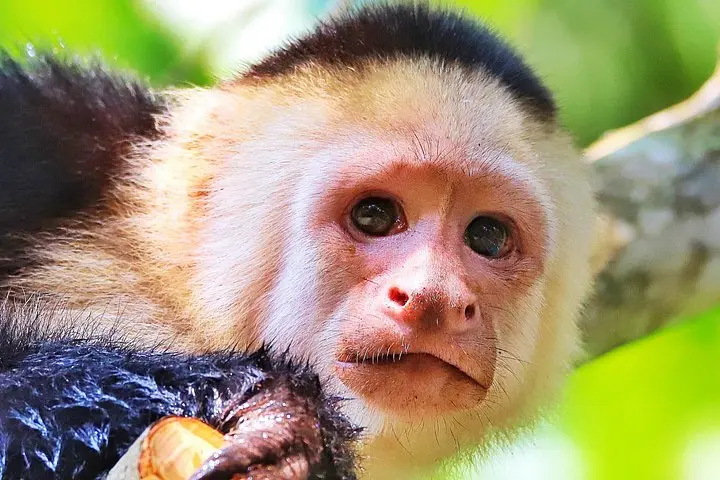
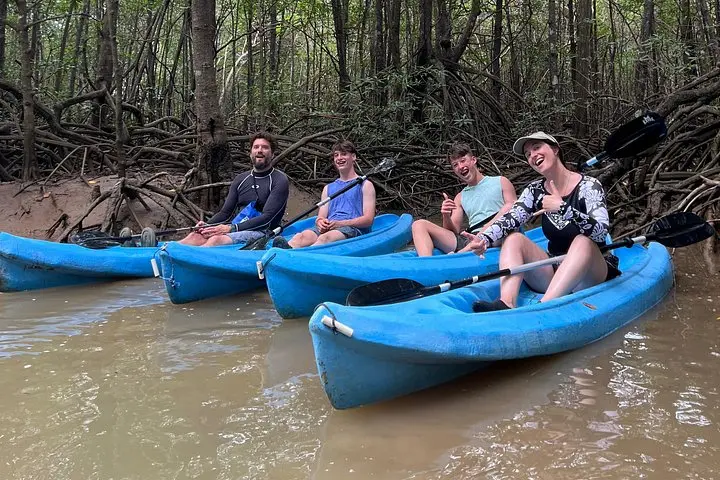
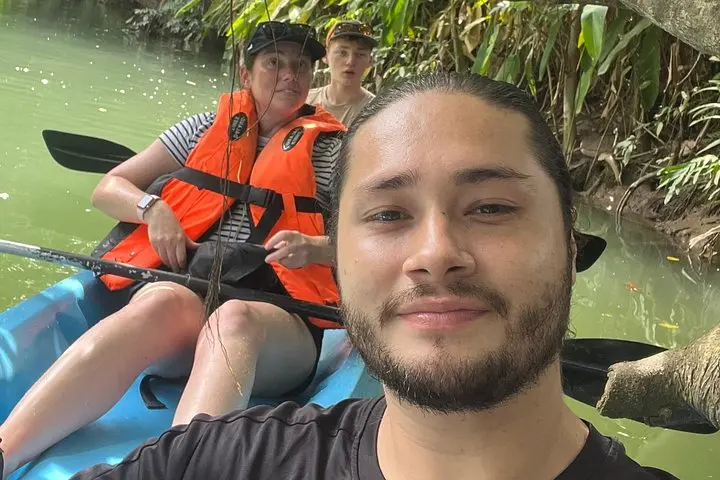
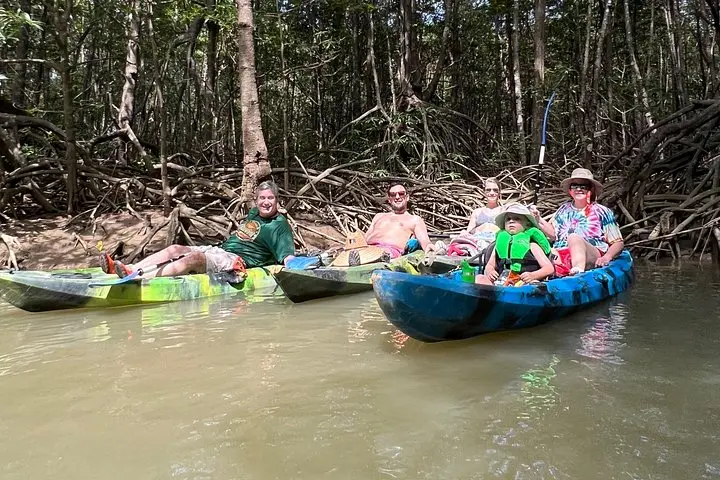
Paddling out from the soft-mud edge of Quepos, the mangrove channels close around you like a quiet corridor — roots reaching downward, birds calling from the canopy, and a guide pointing out a white-faced capuchin that pauses to watch the water dare you forward.
Verified experiences and guided adventures in the surrounding area.
Operated by ExploreCRBirds · Quepos, Puntarenas
Paddling out from the soft-mud edge of Quepos, the mangrove channels close around you like a quiet corridor — roots reaching downward, birds calling from the canopy, and a guide pointing out a white-faced capuchin that pauses to watch the water dare you forward.
These mangroves are young in geological terms, built from sediment carried by rivers off the Central Valley and trapped by coastal roots. The area around Quepos became a fishing and banana-export hub in the 20th century; now ecotourism and protected coastal forest shape the local economy and culture. Guides often share stories of local fishers and the role mangroves play as nursery grounds for reef species.
Expect calm, sheltered water with narrow tributaries and short open estuary stretches. Wildlife sightings commonly include capuchin monkeys, three-toed sloths clinging to mangrove branches, and a range of herons and kingfishers. The guide-led pace keeps the group small and photo-focused; skill requirements are minimal but attention to tides helps timing.
Practical tips: wear quick-dry clothing, bring reef-safe sunscreen, and secure cameras in a dry case. Morning paddles give cooler temperatures and more active birds; afternoons can be warmer and quieter. Respect wildlife distances — guides enforce no-touch policies and explain why mangrove conservation matters.
This two-hour excursion suits families and first-time kayakers who want close wildlife encounters without long travel. The experience is sensory and straightforward — the mangroves move you along, and the animals decide whether to reveal themselves.
This tour is rated easy—paddling is on calm, sheltered water and guides assist beginners; basic mobility and light paddling ability are sufficient.
Wildlife sightings are common but not guaranteed; guides maximize chances by knowing local habits, tides, and quiet approach techniques.
Yes—life jackets and all kayaking equipment are provided and fitted by the guide before departure.
Infants are allowed but must sit on an adult’s lap; check age and safety policies with the operator when booking.
ExploreCRBirds operates guided outdoor trips and adventures with an emphasis on safety, stewardship, and memorable experiences.
Paddling out from the soft-mud edge of Quepos, the mangrove channels close around you like a quiet corridor — roots reaching downward, birds calling from the canopy, and a guide pointing out a white-faced capuchin that pauses to watch the water dare you forward.
Paddling out from the soft-mud edge of Quepos, the mangrove channels close around you like a quiet corridor — roots reaching downward, birds calling from the canopy, and a guide pointing out a white-faced capuchin that pauses to watch the water dare you forward.
These mangroves are young in geological terms, built from sediment carried by rivers off the Central Valley and trapped by coastal roots. The area around Quepos became a fishing and banana-export hub in the 20th century; now ecotourism and protected coastal forest shape the local economy and culture. Guides often share stories of local fishers and the role mangroves play as nursery grounds for reef species.
Expect calm, sheltered water with narrow tributaries and short open estuary stretches. Wildlife sightings commonly include capuchin monkeys, three-toed sloths clinging to mangrove branches, and a range of herons and kingfishers. The guide-led pace keeps the group small and photo-focused; skill requirements are minimal but attention to tides helps timing.
Practical tips: wear quick-dry clothing, bring reef-safe sunscreen, and secure cameras in a dry case. Morning paddles give cooler temperatures and more active birds; afternoons can be warmer and quieter. Respect wildlife distances — guides enforce no-touch policies and explain why mangrove conservation matters.
This two-hour excursion suits families and first-time kayakers who want close wildlife encounters without long travel. The experience is sensory and straightforward — the mangroves move you along, and the animals decide whether to reveal themselves.