THE ADVENTURE COLLECTIVE® · Independent discovery and booking for outdoor travel

Head into Costa Rica’s cloud forest before dawn to search for the resplendent quetzal at San Gerardo de Dota. This guided, six-hour birding tour pairs expert local knowledge with high-quality optics and includes breakfast and snacks.
Head into Costa Rica’s cloud forest before dawn to search for the resplendent quetzal at San Gerardo de Dota. This guided, six-hour birding tour pairs expert local knowledge with high-quality optics and includes breakfast and snacks.
Before dawn the van slips up a narrow mountain road and the forest begins to breathe—soft clicks from a scope, mist threading through oak and alders, and the first high, liquid notes of tanagers and flycatchers. You stand where clouds become trees, watching bands of color move through moss-draped branches; the resplendent quetzal can appear without fanfare, a flash of emerald and crimson that the forest almost seems to hand you.
Verified experiences and guided adventures in the surrounding area.
Operated by Costa Rica Wáköö Tours · San Gerardo de Dota, San José
Before dawn the van slips up a narrow mountain road and the forest begins to breathe—soft clicks from a scope, mist threading through oak and alders, and the first high, liquid notes of tanagers and flycatchers. You stand where clouds become trees, watching bands of color move through moss-draped branches; the resplendent quetzal can appear without fanfare, a flash of emerald and crimson that the forest almost seems to hand you.
San Gerardo de Dota sits on the southern slopes of the Talamanca range, a highland community shaped by trout farms, smallholder agriculture, and decades of careful private-forest stewardship. The area feeds into Los Quetzales National Park (established 2005), protecting cloud-forest habitat between roughly 1,600–2,400 m—where volcanic soils and persistent mist nourish avocados, epiphytes, and the fruiting trees quetzals favor.
Local guides read the landscape like a score: where fruiting trees attract quetzals, where mixed flocks move, and when the hummingbirds will hover at feeders. Respect for private reserves and low-impact observation keeps encounters authentic but never guaranteed.
Practical notes: tours start very early (pickups around 2:30 a.m. from Quepos/Manuel Antonio), last about six hours, and include breakfast, snacks, and a Swarovski spotting scope. Wear waterproof layers and sturdy shoes for slick, uneven trails; bring binoculars, a headlamp, and patience—the birds often arrive at first light. If weather forces cancellation, operators will reschedule or refund. Expect cool temperatures, damp trails, and an immersive morning where the forest seems to decide whether it will reveal its brightest jewel.
Sightings are common but not guaranteed; local guides know the best spots and seasonal patterns, and tours are timed for peak activity at first light.
Pickups are very early—around 2:30 a.m. from Quepos or Manuel Antonio—to reach the highlands before quetzals move upslope.
The tour is suitable for a wide range of ages but not recommended for people with serious knee, hip, spinal, or cardiovascular issues due to early hours and possible uphill walking.
If conditions make the tour unsafe or birding impractical, the provider will reschedule or offer a refund according to their policy.
Costa Rica Wáköö Tours operates guided outdoor trips and adventures with an emphasis on safety, stewardship, and memorable experiences.
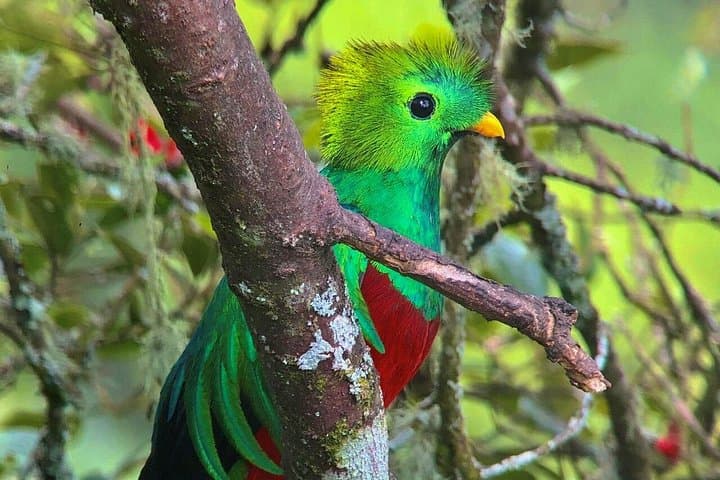
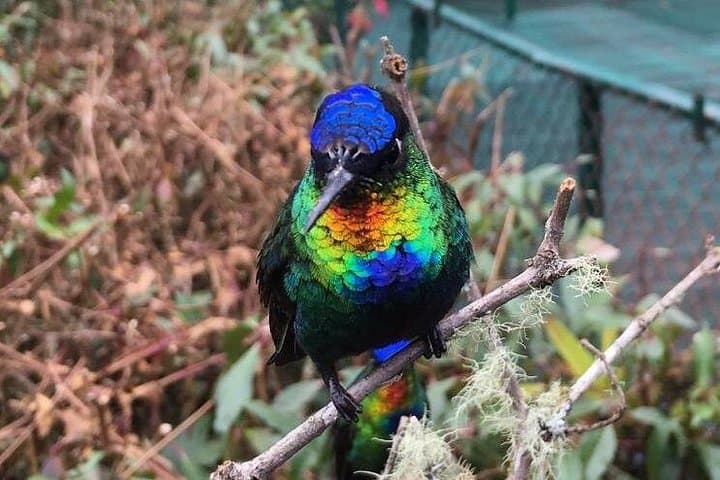
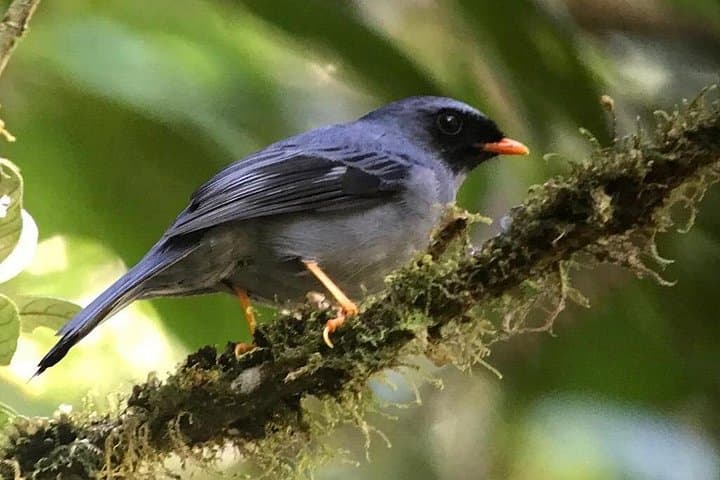
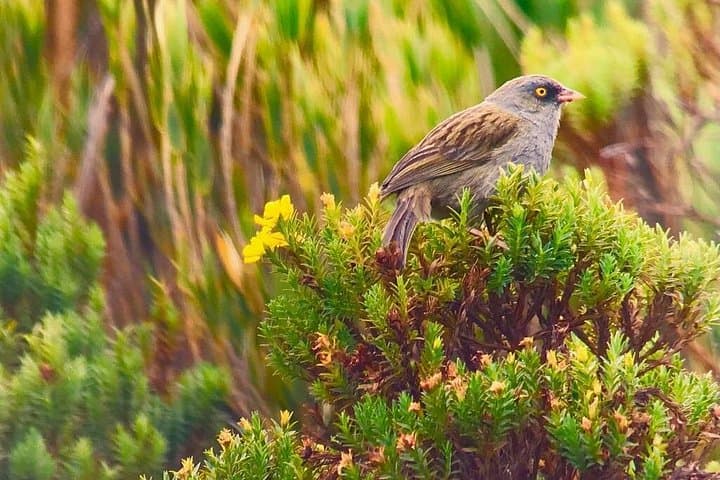
Before dawn the van slips up a narrow mountain road and the forest begins to breathe—soft clicks from a scope, mist threading through oak and alders, and the first high, liquid notes of tanagers and flycatchers. You stand where clouds become trees, watching bands of color move through moss-draped branches; the resplendent quetzal can appear without fanfare, a flash of emerald and crimson that the forest almost seems to hand you.
Before dawn the van slips up a narrow mountain road and the forest begins to breathe—soft clicks from a scope, mist threading through oak and alders, and the first high, liquid notes of tanagers and flycatchers. You stand where clouds become trees, watching bands of color move through moss-draped branches; the resplendent quetzal can appear without fanfare, a flash of emerald and crimson that the forest almost seems to hand you.
San Gerardo de Dota sits on the southern slopes of the Talamanca range, a highland community shaped by trout farms, smallholder agriculture, and decades of careful private-forest stewardship. The area feeds into Los Quetzales National Park (established 2005), protecting cloud-forest habitat between roughly 1,600–2,400 m—where volcanic soils and persistent mist nourish avocados, epiphytes, and the fruiting trees quetzals favor.
Local guides read the landscape like a score: where fruiting trees attract quetzals, where mixed flocks move, and when the hummingbirds will hover at feeders. Respect for private reserves and low-impact observation keeps encounters authentic but never guaranteed.
Practical notes: tours start very early (pickups around 2:30 a.m. from Quepos/Manuel Antonio), last about six hours, and include breakfast, snacks, and a Swarovski spotting scope. Wear waterproof layers and sturdy shoes for slick, uneven trails; bring binoculars, a headlamp, and patience—the birds often arrive at first light. If weather forces cancellation, operators will reschedule or refund. Expect cool temperatures, damp trails, and an immersive morning where the forest seems to decide whether it will reveal its brightest jewel.