THE ADVENTURE COLLECTIVE® · Independent discovery and booking for outdoor travel

Learn the basics of ice fishing at Chena Lake with heated shelters, a pro guide, and a catch‑and‑cook finish. This short, three‑hour introduction suits first-timers and those looking for a low-effort Alaskan winter experience.
Learn the basics of ice fishing at Chena Lake with heated shelters, a pro guide, and a catch‑and‑cook finish. This short, three‑hour introduction suits first-timers and those looking for a low-effort Alaskan winter experience.
A hard white plain stretches from the parking lot to the low dark line of spruce: Chena Lake in winter reads like a map of weather and work. Guides meet you at cabin F33/F38, slide open a door to a heated shelter, and hand over a stool and a rod; outside, the world is sharp and wind-swept, inside there's the smell of hot coffee and the quiet tap of ice tools.
Verified experiences and guided adventures in the surrounding area.
Operated by Alaska Fishing and Raft Adventures · North Pole, Alaska
A hard white plain stretches from the parking lot to the low dark line of spruce: Chena Lake in winter reads like a map of weather and work. Guides meet you at cabin F33/F38, slide open a door to a heated shelter, and hand over a stool and a rod; outside, the world is sharp and wind-swept, inside there's the smell of hot coffee and the quiet tap of ice tools.
The Chena Lakes Recreation Area sits on land shaped by glacial tills and river meanders; Indigenous Interior Athabascan people have fished and traveled these waterways for generations, and the modern lake and dam complex was developed mid-century for local water management and recreation. The shoreline alternates between low bogs and coarse gravel bars, a reminder of permafrost, thaw cycles, and the short, fierce summers that feed winter prey species.
Culturally, ice fishing here mixes recreation with practical skills — learning to read a hole, dressing for long stillness, and turning a catch into a simple grilled supper are all part of the day. Guides provide heated shelters, bait, rods, and tips; some groups use underwater cameras to find fish and reduce wasted holes.
Practical notes: tours run about three hours; bring a one-day Alaska sport fishing license (accepted electronically or on paper), layered insulated clothing, and winter boots. Expect temperatures well below freezing, short daylight in midwinter, and active birdlife along the open inlets. Pay attention to the guide’s ice-safety briefing, follow catch limits, and be ready to learn fish-cleaning and a cook-out at the end of the tour — it’s part skill building, part cold-weather hospitality.
Yes — all anglers must carry a valid Alaska sport fishing license; one-day nonresident licenses are available online or at local stores and electronic copies are accepted.
Yes — guides supply heated cabins/shelters with seating and hot drinks; they’re intended for brief respite between fishing and instruction sessions.
Children are welcome but must be accompanied by an adult; infants typically sit on laps and small children should be dressed for winter conditions.
Tours can be canceled for severe weather or unsafe ice; operators typically refund or reschedule if conditions force cancellation.
Alaska Fishing and Raft Adventures operates guided outdoor trips and adventures with an emphasis on safety, stewardship, and memorable experiences.
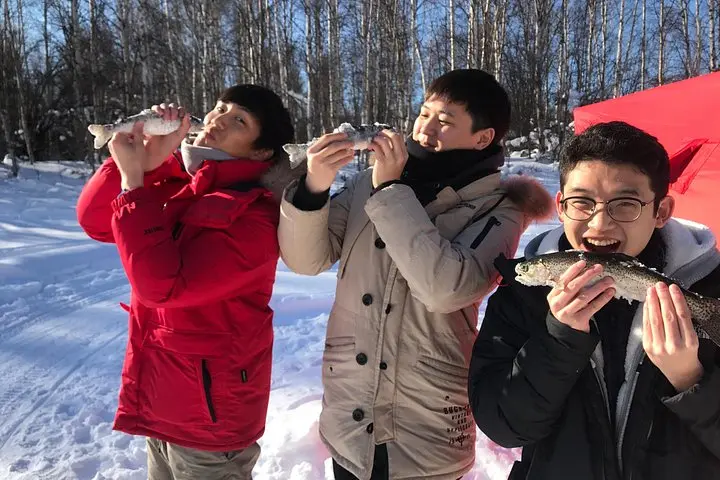
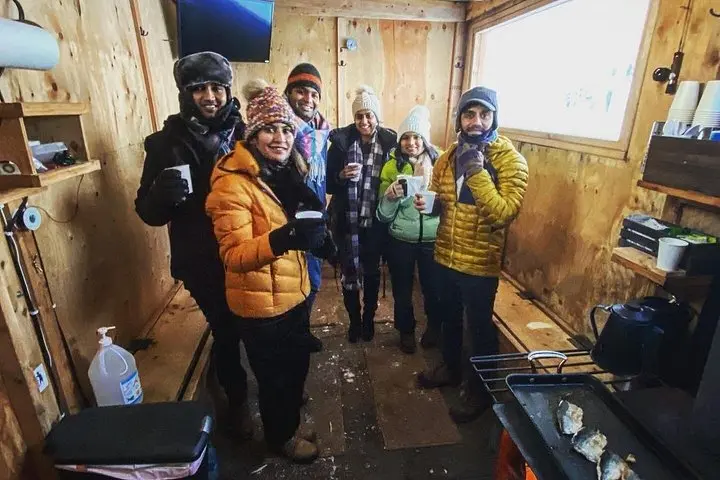
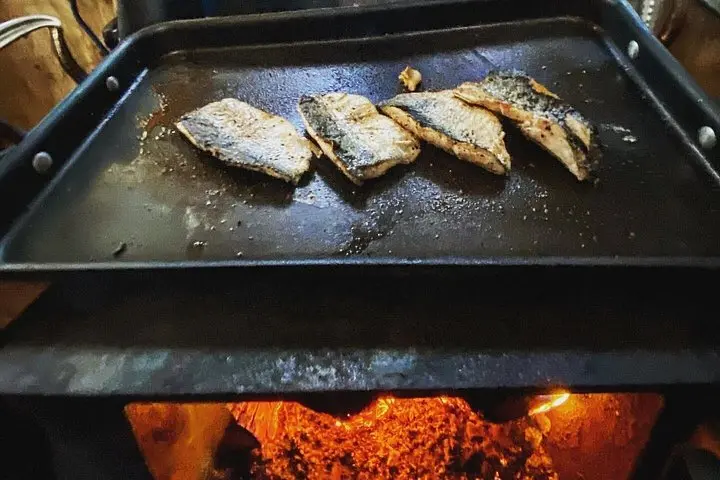
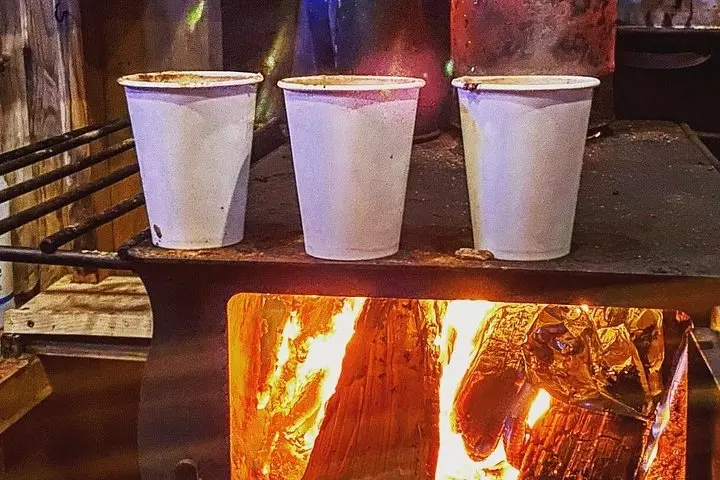
A hard white plain stretches from the parking lot to the low dark line of spruce: Chena Lake in winter reads like a map of weather and work. Guides meet you at cabin F33/F38, slide open a door to a heated shelter, and hand over a stool and a rod; outside, the world is sharp and wind-swept, inside there's the smell of hot coffee and the quiet tap of ice tools.
A hard white plain stretches from the parking lot to the low dark line of spruce: Chena Lake in winter reads like a map of weather and work. Guides meet you at cabin F33/F38, slide open a door to a heated shelter, and hand over a stool and a rod; outside, the world is sharp and wind-swept, inside there's the smell of hot coffee and the quiet tap of ice tools.
The Chena Lakes Recreation Area sits on land shaped by glacial tills and river meanders; Indigenous Interior Athabascan people have fished and traveled these waterways for generations, and the modern lake and dam complex was developed mid-century for local water management and recreation. The shoreline alternates between low bogs and coarse gravel bars, a reminder of permafrost, thaw cycles, and the short, fierce summers that feed winter prey species.
Culturally, ice fishing here mixes recreation with practical skills — learning to read a hole, dressing for long stillness, and turning a catch into a simple grilled supper are all part of the day. Guides provide heated shelters, bait, rods, and tips; some groups use underwater cameras to find fish and reduce wasted holes.
Practical notes: tours run about three hours; bring a one-day Alaska sport fishing license (accepted electronically or on paper), layered insulated clothing, and winter boots. Expect temperatures well below freezing, short daylight in midwinter, and active birdlife along the open inlets. Pay attention to the guide’s ice-safety briefing, follow catch limits, and be ready to learn fish-cleaning and a cook-out at the end of the tour — it’s part skill building, part cold-weather hospitality.