THE ADVENTURE COLLECTIVE® · Independent discovery and booking for outdoor travel

Avoid the crowds and walk Arashiyama with a local guide. This private four-hour tour moves through bamboo lanes, moss gardens and quiet temple grounds with included entrance fees and expert context.
Avoid the crowds and walk Arashiyama with a local guide. This private four-hour tour moves through bamboo lanes, moss gardens and quiet temple grounds with included entrance fees and expert context.
You step out of JR Saga-Arashiyama station and the city noise softens; wind through tall bamboo hushes the platform into a corridor of green. The guide falls into an easy rhythm, leading the small group along moss-lined paths toward low wooden temples where stone figures keep watch.
Verified experiences and guided adventures in the surrounding area.
Operated by Masa · Kyoto, Kyoto
You step out of JR Saga-Arashiyama station and the city noise softens; wind through tall bamboo hushes the platform into a corridor of green. The guide falls into an easy rhythm, leading the small group along moss-lined paths toward low wooden temples where stone figures keep watch.
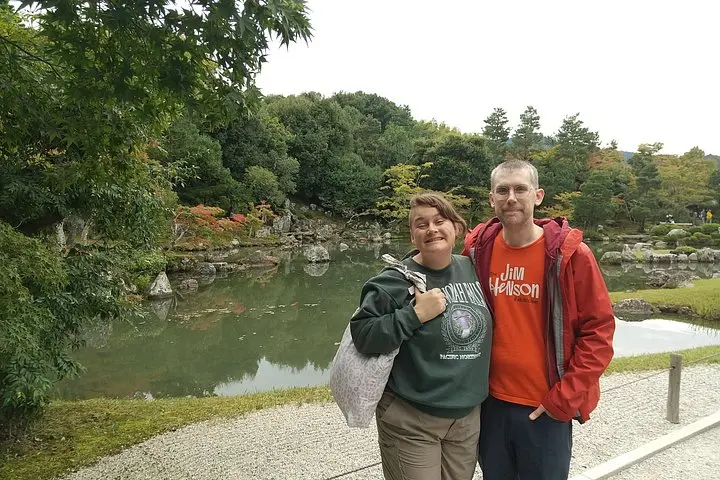
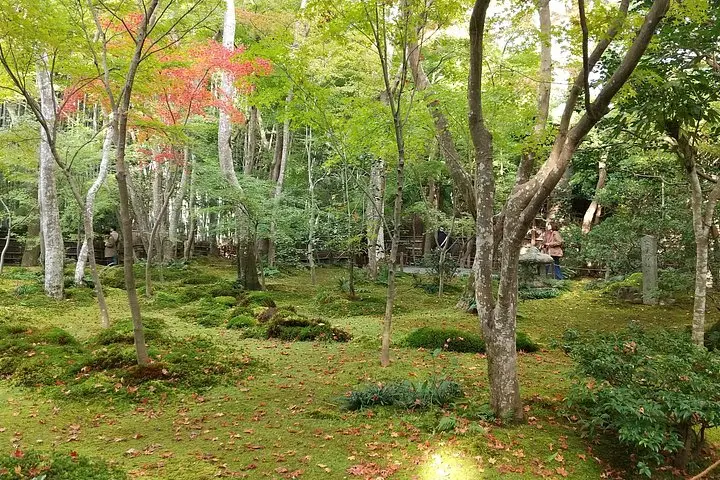
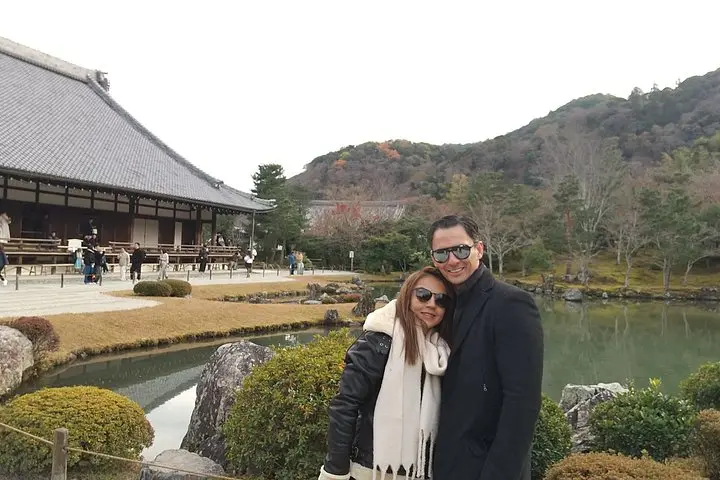
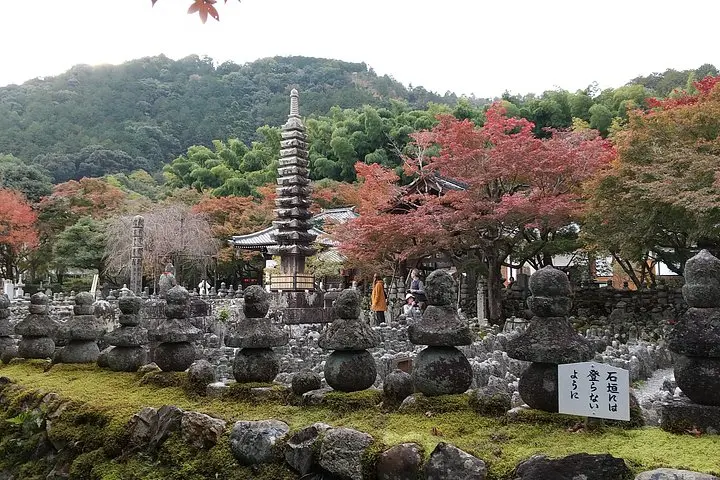
This four-hour walk threads Tenryu-ji, Giou-ji, Adashino Nenbutsu-ji, the bamboo grove and the preserved Saga Toriimoto street. Tenryu-ji, founded in the 14th century by Muso Kokushi, frames the hills as borrowed scenery in a garden that dates back seven centuries. Giou-ji is intimate and compact, its moss garden holding a Heian-era story of love and exile tied to Taira no Kiyomori. Adashino Nenbutsu-ji speaks to Kamakura-period funerary practice, with thousands of stone Buddhas gathered from fields once used for the departed.
Geology here is gentle: rolling volcanic foothills that hem the Hozu River, feeding the moist valley that lets bamboo and moss thrive. Local culture is tactile and slow—tea houses, wooden machiya facades, and seasonal festivals like the candle-lit August memorial at Adashino.
Practical guidance: this is an easy, mostly flat walking tour with multiple short stops and paid temple entrances included. Meet at JR Saga-Arashiyama Station entrance; wear grippy shoes for a few wet stone steps and bring a light layer for shade and river breeze. Respect temple etiquette, keep voices low, and allow a few minutes at each site to absorb the silence the guide cultivates.
Meet at the JR Saga-Arashiyama Station entrance gate; the tour notes that Hankyu and Randen Arashiyama stations are different, so follow JR signage or allow extra transit time.
Yes; entrance to Tenryu-ji, Giou-ji and Adashino Nenbutsu-ji are included in the tour price.
The tour is classified as easy but includes stone steps and some uneven ground; it may not be suitable for those with significant spinal or mobility limitations.
Outdoor photography is generally fine; indoor halls may restrict photos—follow guide instructions and posted signs at each site.
Masa operates guided outdoor trips and adventures with an emphasis on safety, stewardship, and memorable experiences.
You step out of JR Saga-Arashiyama station and the city noise softens; wind through tall bamboo hushes the platform into a corridor of green. The guide falls into an easy rhythm, leading the small group along moss-lined paths toward low wooden temples where stone figures keep watch.
You step out of JR Saga-Arashiyama station and the city noise softens; wind through tall bamboo hushes the platform into a corridor of green. The guide falls into an easy rhythm, leading the small group along moss-lined paths toward low wooden temples where stone figures keep watch.
This four-hour walk threads Tenryu-ji, Giou-ji, Adashino Nenbutsu-ji, the bamboo grove and the preserved Saga Toriimoto street. Tenryu-ji, founded in the 14th century by Muso Kokushi, frames the hills as borrowed scenery in a garden that dates back seven centuries. Giou-ji is intimate and compact, its moss garden holding a Heian-era story of love and exile tied to Taira no Kiyomori. Adashino Nenbutsu-ji speaks to Kamakura-period funerary practice, with thousands of stone Buddhas gathered from fields once used for the departed.
Geology here is gentle: rolling volcanic foothills that hem the Hozu River, feeding the moist valley that lets bamboo and moss thrive. Local culture is tactile and slow—tea houses, wooden machiya facades, and seasonal festivals like the candle-lit August memorial at Adashino.
Practical guidance: this is an easy, mostly flat walking tour with multiple short stops and paid temple entrances included. Meet at JR Saga-Arashiyama Station entrance; wear grippy shoes for a few wet stone steps and bring a light layer for shade and river breeze. Respect temple etiquette, keep voices low, and allow a few minutes at each site to absorb the silence the guide cultivates.