THE ADVENTURE COLLECTIVE® · Independent discovery and booking for outdoor travel
Drive through Andean volcano country to Quilotoa’s vivid green crater lake on a private day tour. Combine rim walks, a Tigua art visit and local food with manageable hiking at high altitude.
Drive through Andean volcano country to Quilotoa’s vivid green crater lake on a private day tour. Combine rim walks, a Tigua art visit and local food with manageable hiking at high altitude.
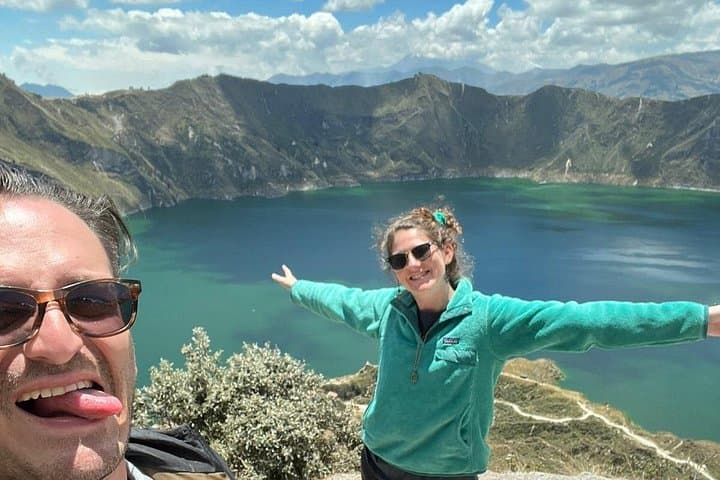
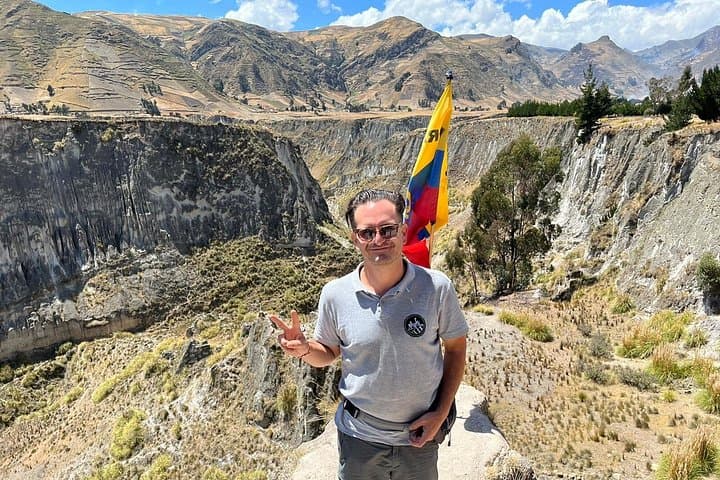
The road tilts into high Andean light as the Panamericana drops away and volcanoes crouch along the horizon. By mid-morning the car pulls up to a wind-swept rim: Quilotoa’s crater lake flashes an impossible green, a bowl carved by fire now holding cold, reflective water.
Verified experiences and guided adventures in the surrounding area.
Operated by Daniel Mucarsel · Latacunga, Cotopaxi
The road tilts into high Andean light as the Panamericana drops away and volcanoes crouch along the horizon. By mid-morning the car pulls up to a wind-swept rim: Quilotoa’s crater lake flashes an impossible green, a bowl carved by fire now holding cold, reflective water.
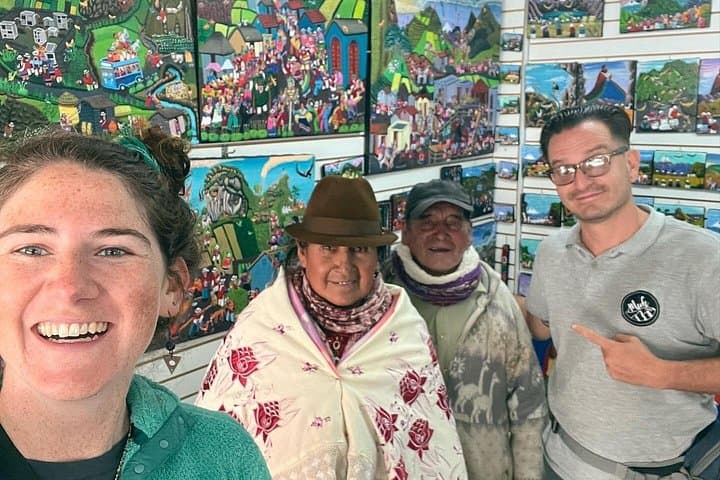
This short, private tour threads geological and cultural layers together. Quilotoa is a volcanic caldera formed by a massive eruption centuries ago; the crater rim sits around 3,900–4,000 m (12,800–13,100 ft). Local Kichwa communities have long lived on these slopes, and you’ll see Tigua painters preserving iconography of mountain life — art born from both isolation and resilience.
Expect a mix of driving and walking: panoramic stops along the Panamericana with Cotopaxi glimpses, a countryside breakfast in a village, a visit to a Tigua workshop, then a 1–3 km walk along the rim with the option to descend a steep, sandy trail toward the water. The descent is quick but the return climb is steep and can be physically demanding at altitude.
Practical edge: start early to avoid mid-day wind, dress in layers for sun and cold, and plan for 6–8 hours total. Bring 2–3 liters of water, sturdy ankle-support shoes for sandy slopes, and cash for small local purchases and parking/entry fees. The private format makes logistics simple — transport, snacks, and a local guide streamline the day so you can focus on the views, the art, and the demanding but rewarding crater walk.
Typical drive time is about 3–3.5 hours each way depending on traffic and stops; the tour schedules panoramic stops and a village breakfast en route.
Short sections of the descent are manageable, but the climb back is steep and can be tiring at altitude; assess children’s stamina and consider staying on the rim.
Most private tours include parking and logistics, but small local entrance fees or donations and purchases (e.g., ice cream, crafts) are often paid directly on-site.
No — guides often speak English, but learning a few Spanish phrases shows respect and helps when visiting local workshops and markets.
Daniel Mucarsel operates guided outdoor trips and adventures with an emphasis on safety, stewardship, and memorable experiences.
The road tilts into high Andean light as the Panamericana drops away and volcanoes crouch along the horizon. By mid-morning the car pulls up to a wind-swept rim: Quilotoa’s crater lake flashes an impossible green, a bowl carved by fire now holding cold, reflective water.
The road tilts into high Andean light as the Panamericana drops away and volcanoes crouch along the horizon. By mid-morning the car pulls up to a wind-swept rim: Quilotoa’s crater lake flashes an impossible green, a bowl carved by fire now holding cold, reflective water.
This short, private tour threads geological and cultural layers together. Quilotoa is a volcanic caldera formed by a massive eruption centuries ago; the crater rim sits around 3,900–4,000 m (12,800–13,100 ft). Local Kichwa communities have long lived on these slopes, and you’ll see Tigua painters preserving iconography of mountain life — art born from both isolation and resilience.
Expect a mix of driving and walking: panoramic stops along the Panamericana with Cotopaxi glimpses, a countryside breakfast in a village, a visit to a Tigua workshop, then a 1–3 km walk along the rim with the option to descend a steep, sandy trail toward the water. The descent is quick but the return climb is steep and can be physically demanding at altitude.
Practical edge: start early to avoid mid-day wind, dress in layers for sun and cold, and plan for 6–8 hours total. Bring 2–3 liters of water, sturdy ankle-support shoes for sandy slopes, and cash for small local purchases and parking/entry fees. The private format makes logistics simple — transport, snacks, and a local guide streamline the day so you can focus on the views, the art, and the demanding but rewarding crater walk.
