THE ADVENTURE COLLECTIVE® · Independent discovery and booking for outdoor travel

Combine highland markets and a volcanic crater lake on a single, full-day trip from Quito. Descend to Quilotoa’s emerald water, explore a traditional indigenous market, and learn why altitude and weather shape every step.
Combine highland markets and a volcanic crater lake on a single, full-day trip from Quito. Descend to Quilotoa’s emerald water, explore a traditional indigenous market, and learn why altitude and weather shape every step.
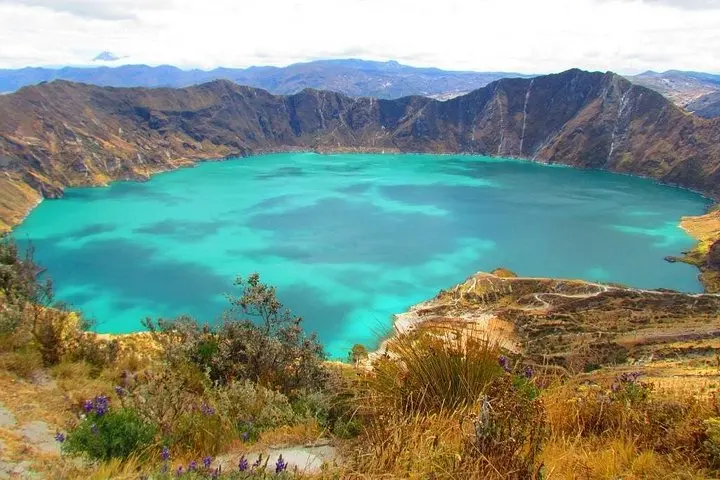
Morning light breaks over the paramo as the van climbs out of Quito; wind hurries across the highlands and the road drops into tight canyons before opening onto the rim of Quilotoa. At roughly 3,800 meters the crater lake sits like a bright, unruly jewel—its green surface framed by raw, volcanic cliffs that dare you closer. The air is thin, sharp, and carries the scent of wet grass and wood smoke from nearby villages.
Verified experiences and guided adventures in the surrounding area.
Operated by Community Adventures · Quilotoa, Cotopaxi
Morning light breaks over the paramo as the van climbs out of Quito; wind hurries across the highlands and the road drops into tight canyons before opening onto the rim of Quilotoa. At roughly 3,800 meters the crater lake sits like a bright, unruly jewel—its green surface framed by raw, volcanic cliffs that dare you closer. The air is thin, sharp, and carries the scent of wet grass and wood smoke from nearby villages.
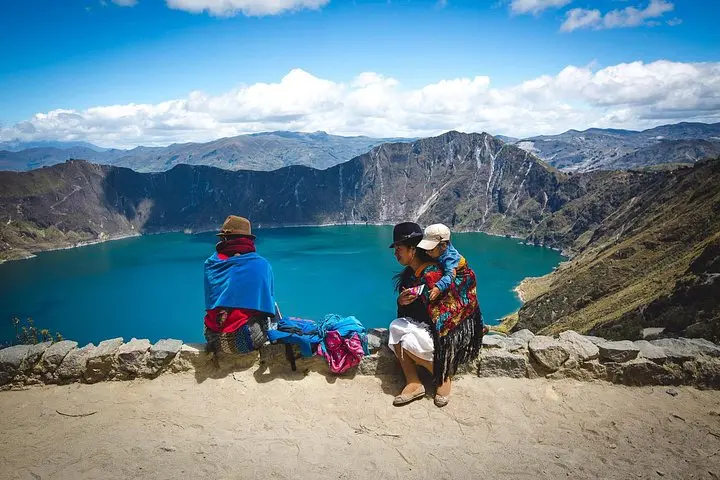
This route threads together two sides of highland life: the living markets of Saquisilí or Pujilí—where indigenous vendors arrange woven textiles and fresh produce—and the volcanic geology of Quilotoa, carved by eruptions and centuries of erosion. Nearby communities such as Shalala and Tigua keep long craft traditions; Tigua painters are known for vivid, narrative panels that reflect Andean daily life.
Expect a steep descent to the lake shore and a strenuous climb back up; many visitors opt for a mule on the return. Weather is notoriously changeable—sun can shift to sleet in an hour—so layers are essential. The trek is compact but demanding at altitude: move slowly, hydrate, and pace your breathing.
Practical notes: pickups are early from Quito and the full day runs about 11 hours. Markets operate on fixed days—Saquisilí on Thursdays and Pujilí on Sundays—so plan your trip if market visits matter. Respect local customs when photographing vendors and avoid leaving any trace on the crater rim: the thin soils and native plants recover slowly from disturbance.
Yes, but the water is cold and the altitude makes swimming more strenuous; most visitors only wade at the shore.
The descent to the lake is steep and takes roughly 30–60 minutes depending on fitness; the return climb is slower and more tiring.
Yes—Saquisilí is typically on Thursdays and Pujilí on Sundays; the tour visits one or the other depending on the day of the week.
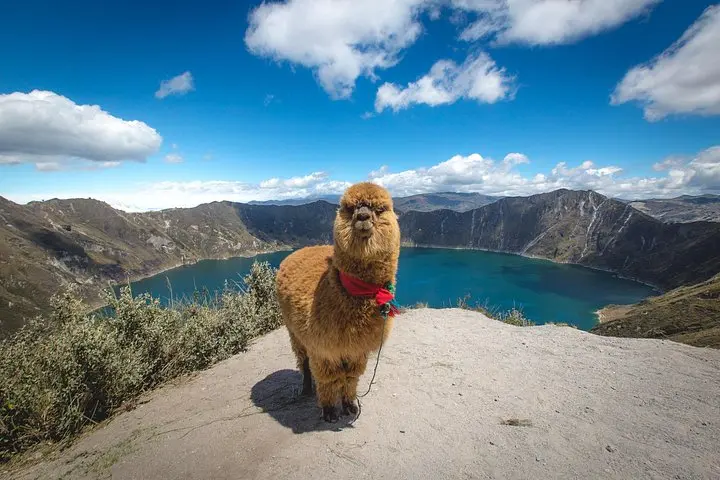
Mules are commonly available to return from the lake; quality varies so check the handler, and be aware of animal welfare and your own balance on uneven paths.
Community Adventures operates guided outdoor trips and adventures with an emphasis on safety, stewardship, and memorable experiences.
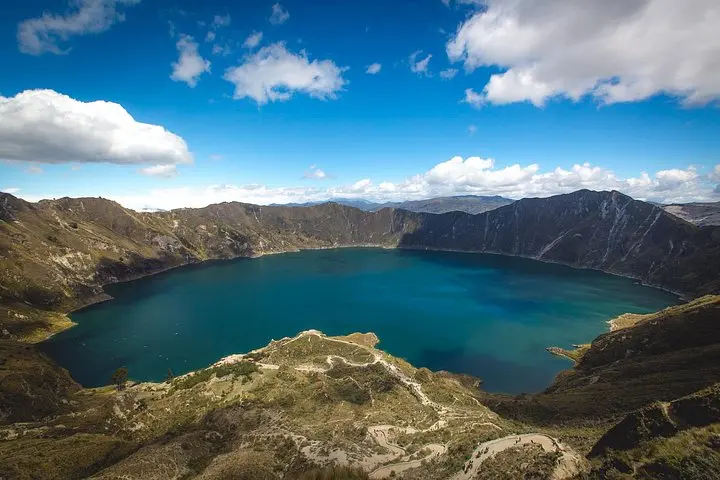
Morning light breaks over the paramo as the van climbs out of Quito; wind hurries across the highlands and the road drops into tight canyons before opening onto the rim of Quilotoa. At roughly 3,800 meters the crater lake sits like a bright, unruly jewel—its green surface framed by raw, volcanic cliffs that dare you closer. The air is thin, sharp, and carries the scent of wet grass and wood smoke from nearby villages.
Morning light breaks over the paramo as the van climbs out of Quito; wind hurries across the highlands and the road drops into tight canyons before opening onto the rim of Quilotoa. At roughly 3,800 meters the crater lake sits like a bright, unruly jewel—its green surface framed by raw, volcanic cliffs that dare you closer. The air is thin, sharp, and carries the scent of wet grass and wood smoke from nearby villages.
This route threads together two sides of highland life: the living markets of Saquisilí or Pujilí—where indigenous vendors arrange woven textiles and fresh produce—and the volcanic geology of Quilotoa, carved by eruptions and centuries of erosion. Nearby communities such as Shalala and Tigua keep long craft traditions; Tigua painters are known for vivid, narrative panels that reflect Andean daily life.
Expect a steep descent to the lake shore and a strenuous climb back up; many visitors opt for a mule on the return. Weather is notoriously changeable—sun can shift to sleet in an hour—so layers are essential. The trek is compact but demanding at altitude: move slowly, hydrate, and pace your breathing.
Practical notes: pickups are early from Quito and the full day runs about 11 hours. Markets operate on fixed days—Saquisilí on Thursdays and Pujilí on Sundays—so plan your trip if market visits matter. Respect local customs when photographing vendors and avoid leaving any trace on the crater rim: the thin soils and native plants recover slowly from disturbance.