THE ADVENTURE COLLECTIVE® · Independent discovery and booking for outdoor travel
Stand on the rim of a 3-km volcanic caldera and look down at an emerald lake framed by sheer cliffs. This full-day adventure from Quito combines high-altitude hiking, local culture, and dramatic geology—best attempted with moderate fitness and layered clothing.
Stand on the rim of a 3-km volcanic caldera and look down at an emerald lake framed by sheer cliffs. This full-day adventure from Quito combines high-altitude hiking, local culture, and dramatic geology—best attempted with moderate fitness and layered clothing.
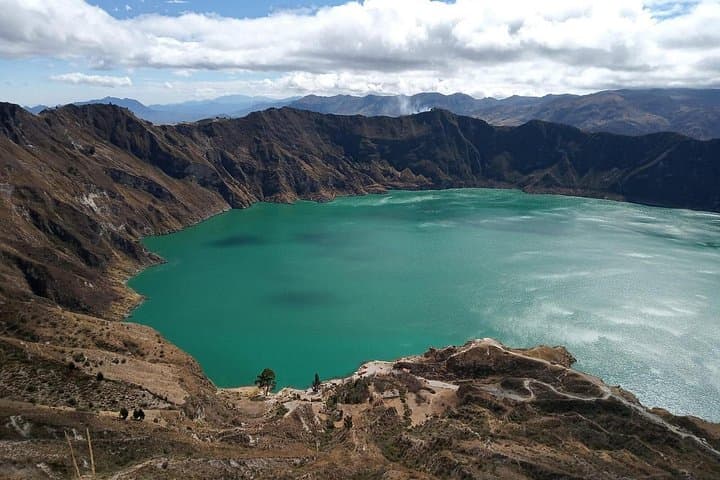
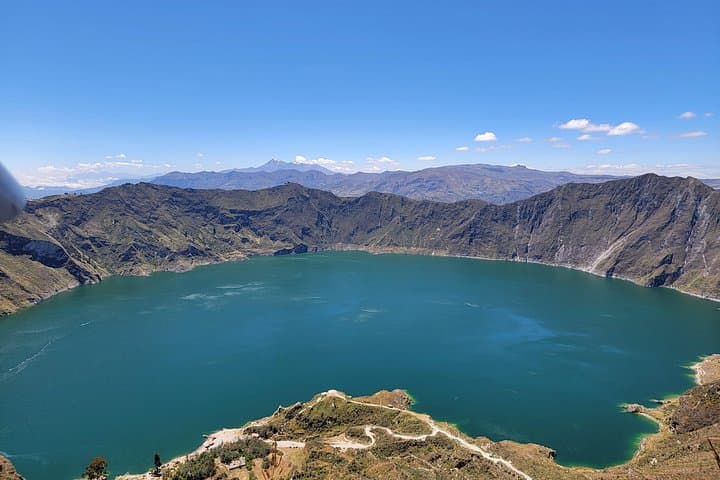
A thin wind pushes across the rim and carries dust from the trail; below, the crater lake sits an impossible green, cupped by 250-metre cliffs that drop in a clean arc. On a full-day trip from Quito, travelers step out of the van into high-altitude air and follow a rim trail that alternates between exposed viewpoints and short, grassy terraces where local farmers tend sheep.
Verified experiences and guided adventures in the surrounding area.
Operated by Lead Adventures · Quilotoa, Cotopaxi
A thin wind pushes across the rim and carries dust from the trail; below, the crater lake sits an impossible green, cupped by 250-metre cliffs that drop in a clean arc. On a full-day trip from Quito, travelers step out of the van into high-altitude air and follow a rim trail that alternates between exposed viewpoints and short, grassy terraces where local farmers tend sheep.
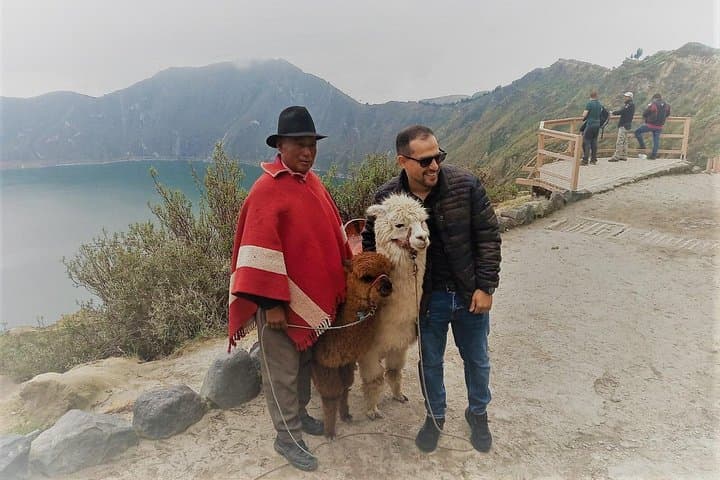
Geology here is dramatic and recent: Quilotoa is a collapsed dacite volcano whose VEI-6 eruption roughly 800 years ago formed the 3-kilometre caldera. The lake’s unusual emerald hue comes from dissolved minerals and occasional fumarolic activity on the crater floor. The surrounding communities belong to a living Andean culture—villages display bright woven textiles and small galleries where painters interpret mountain life.
Expect an active landscape: steep descents to the water’s edge, loose volcanic scree, and sudden weather swings as oceanic moisture fights over the Andes. The full-day itinerary typically includes roadside viewpoints, a village gallery stop, and a longer rim-to-shore walk (or optional mule-assisted descent) paired with time to photograph the lake.
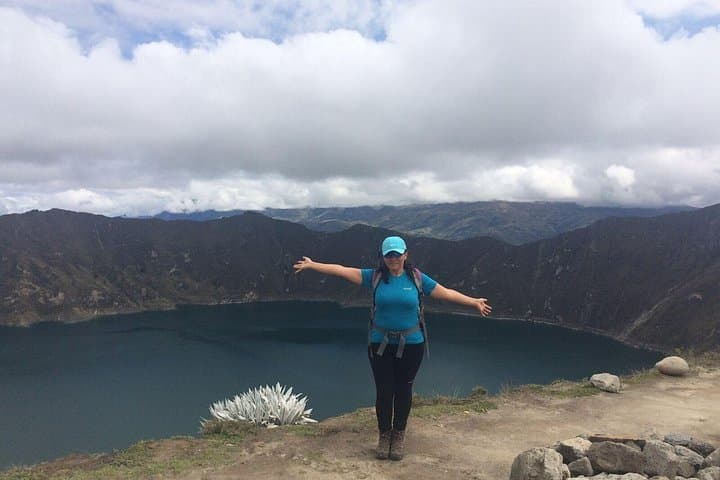
Practical notes: the tour runs 8–10 hours and requires moderate fitness for uneven trails and altitude near 3,900 m (12,800 ft). Bring water, layered clothing, sun protection, and sturdy boots with good traction. Plan for early departures from Quito to avoid afternoon clouds; respect local land and trails and pack out what you bring in. Quilotoa delivers clear, raw altitude scenery and a tactile sense of Andean geology and culture—rewarding, direct, and elemental.
Typical drive time is about 3–4 hours each way depending on traffic and stops; most tours are full-day excursions.
Yes—there is a steep trail from the rim to the water; it’s about 1–2 km each way and can be muddy or scree-covered, so allow extra time and wear good footwear.
Swimming is possible but water is very cold and oxygen-poor at altitude; most visitors opt to stay shore-side for photos and short walks.
No formal permit is required for day visits, but guided tours provide transport, local context, and support at altitude—recommended for full-day trips from Quito.
Lead Adventures operates guided outdoor trips and adventures with an emphasis on safety, stewardship, and memorable experiences.
A thin wind pushes across the rim and carries dust from the trail; below, the crater lake sits an impossible green, cupped by 250-metre cliffs that drop in a clean arc. On a full-day trip from Quito, travelers step out of the van into high-altitude air and follow a rim trail that alternates between exposed viewpoints and short, grassy terraces where local farmers tend sheep.
A thin wind pushes across the rim and carries dust from the trail; below, the crater lake sits an impossible green, cupped by 250-metre cliffs that drop in a clean arc. On a full-day trip from Quito, travelers step out of the van into high-altitude air and follow a rim trail that alternates between exposed viewpoints and short, grassy terraces where local farmers tend sheep.
Geology here is dramatic and recent: Quilotoa is a collapsed dacite volcano whose VEI-6 eruption roughly 800 years ago formed the 3-kilometre caldera. The lake’s unusual emerald hue comes from dissolved minerals and occasional fumarolic activity on the crater floor. The surrounding communities belong to a living Andean culture—villages display bright woven textiles and small galleries where painters interpret mountain life.
Expect an active landscape: steep descents to the water’s edge, loose volcanic scree, and sudden weather swings as oceanic moisture fights over the Andes. The full-day itinerary typically includes roadside viewpoints, a village gallery stop, and a longer rim-to-shore walk (or optional mule-assisted descent) paired with time to photograph the lake.
Practical notes: the tour runs 8–10 hours and requires moderate fitness for uneven trails and altitude near 3,900 m (12,800 ft). Bring water, layered clothing, sun protection, and sturdy boots with good traction. Plan for early departures from Quito to avoid afternoon clouds; respect local land and trails and pack out what you bring in. Quilotoa delivers clear, raw altitude scenery and a tactile sense of Andean geology and culture—rewarding, direct, and elemental.
