THE ADVENTURE COLLECTIVE® · Independent discovery and booking for outdoor travel

Stand on the rim of a volcanic bowl and watch the Quilotoa lagoon shift color beneath wind and sky. This full-day trip from Quito pairs a steep crater hike with visits to highland markets and Kichwa communities.
Stand on the rim of a volcanic bowl and watch the Quilotoa lagoon shift color beneath wind and sky. This full-day trip from Quito pairs a steep crater hike with visits to highland markets and Kichwa communities.
You arrive at the rim with wind that seems to push you toward the abyss — a bowl of shifting green and turquoise set inside a volcanic crater. The trail along the rim peels open views of the lake below and the patchwork of Andean fields beyond; locals and their llamas dot the slopes like punctuation on a vast page.
Verified experiences and guided adventures in the surrounding area.
Operated by Tangol · Quilotoa, Cotopaxi Province
You arrive at the rim with wind that seems to push you toward the abyss — a bowl of shifting green and turquoise set inside a volcanic crater. The trail along the rim peels open views of the lake below and the patchwork of Andean fields beyond; locals and their llamas dot the slopes like punctuation on a vast page.
Geology here is immediate: Quilotoa is a collapsed caldera whose steep walls hold a mineral-rich lake that shifts color with light and dissolved sediments. The crater’s rim sits around 3,800–3,900 meters above sea level, and Kichwa communities like Tigua maintain a living cultural rhythm — markets open on specific days and traditional crops ripple across terraces in season.
Expect rocky, sometimes muddy trails and a sharp, dry cold in the morning that softens to bracing sun by midday. The real experience blends a short but steep descent to the crater’s edge (many visitors walk down to the lake) with opportunities to watch local artisans at open-air stalls and taste highland cuisine.
Practical guidance: start early to avoid afternoon clouds and to give your body time to acclimatize; wear good ankle-supporting boots and layers; carry water and snacks for the ascent back to the rim. If you’re on a day tour from Quito, the drive adds several hours round-trip, so plan for a full 10-hour day. Respect the fragile paramo: stay on established trails and carry out all trash.
The descent to the lake edge takes about 45–60 minutes and the climb back typically 60–90 minutes depending on fitness and trail conditions.
Swimming is not recommended—water is cold, mineral-rich, and there are no lifeguards or facilities.
No formal permit is required for general access, but some guided areas or events may have fees; day tours usually include transport and local guide services.
Afternoon rain or heavy cloud can obscure views; many operators recommend morning departures and note the drive can be slow in poor conditions.
Tangol operates guided outdoor trips and adventures with an emphasis on safety, stewardship, and memorable experiences.
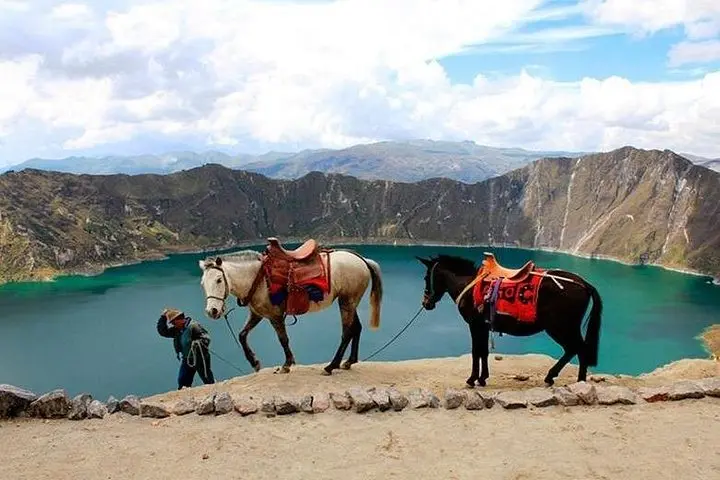
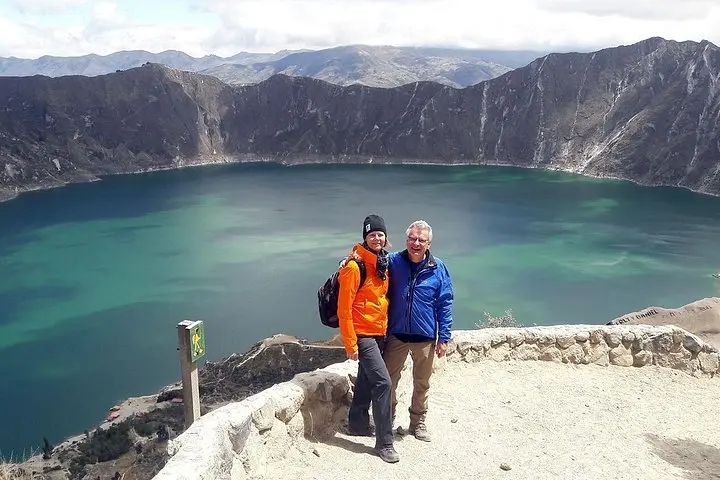
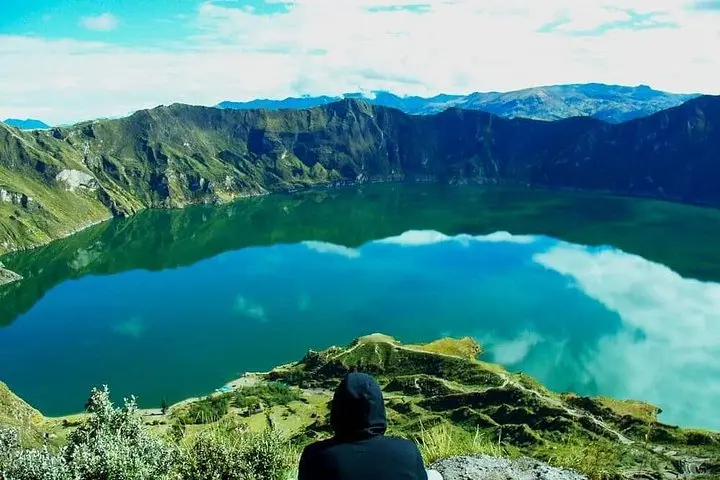
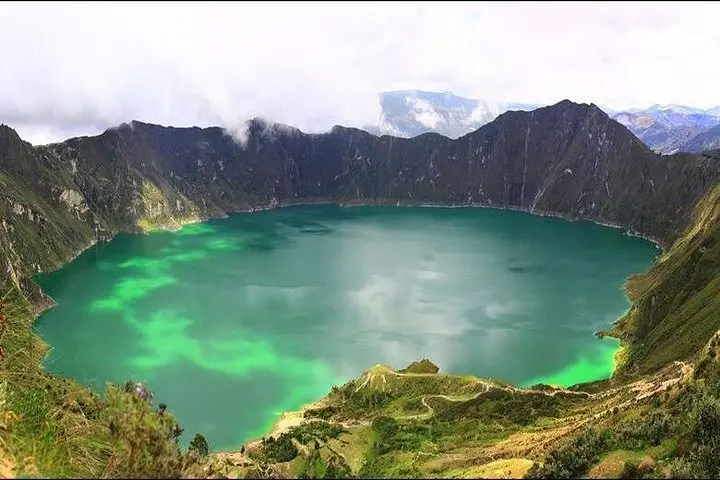
You arrive at the rim with wind that seems to push you toward the abyss — a bowl of shifting green and turquoise set inside a volcanic crater. The trail along the rim peels open views of the lake below and the patchwork of Andean fields beyond; locals and their llamas dot the slopes like punctuation on a vast page.
You arrive at the rim with wind that seems to push you toward the abyss — a bowl of shifting green and turquoise set inside a volcanic crater. The trail along the rim peels open views of the lake below and the patchwork of Andean fields beyond; locals and their llamas dot the slopes like punctuation on a vast page.
Geology here is immediate: Quilotoa is a collapsed caldera whose steep walls hold a mineral-rich lake that shifts color with light and dissolved sediments. The crater’s rim sits around 3,800–3,900 meters above sea level, and Kichwa communities like Tigua maintain a living cultural rhythm — markets open on specific days and traditional crops ripple across terraces in season.
Expect rocky, sometimes muddy trails and a sharp, dry cold in the morning that softens to bracing sun by midday. The real experience blends a short but steep descent to the crater’s edge (many visitors walk down to the lake) with opportunities to watch local artisans at open-air stalls and taste highland cuisine.
Practical guidance: start early to avoid afternoon clouds and to give your body time to acclimatize; wear good ankle-supporting boots and layers; carry water and snacks for the ascent back to the rim. If you’re on a day tour from Quito, the drive adds several hours round-trip, so plan for a full 10-hour day. Respect the fragile paramo: stay on established trails and carry out all trash.