THE ADVENTURE COLLECTIVE® · Independent discovery and booking for outdoor travel

Spend a night in a hand-built quinzee under Lapland skies. This guided survival workshop at Pyhätunturi combines classroom lessons with hands-on snow shelter building, a monitored overnight stay and practical cold-weather skills.
Spend a night in a hand-built quinzee under Lapland skies. This guided survival workshop at Pyhätunturi combines classroom lessons with hands-on snow shelter building, a monitored overnight stay and practical cold-weather skills.
When the light finally thins to a hard blue and stars prick the Lapland sky, the snow around Pyhätunturi stops being a passive blanket and starts to act — it holds heat, muffles sound and, when shaped right, shelters you from the Arctic night.
Verified experiences and guided adventures in the surrounding area.
Operated by Bliss Adventure · Pelkosenniemi, Lapland
When the light finally thins to a hard blue and stars prick the Lapland sky, the snow around Pyhätunturi stops being a passive blanket and starts to act — it holds heat, muffles sound and, when shaped right, shelters you from the Arctic night.
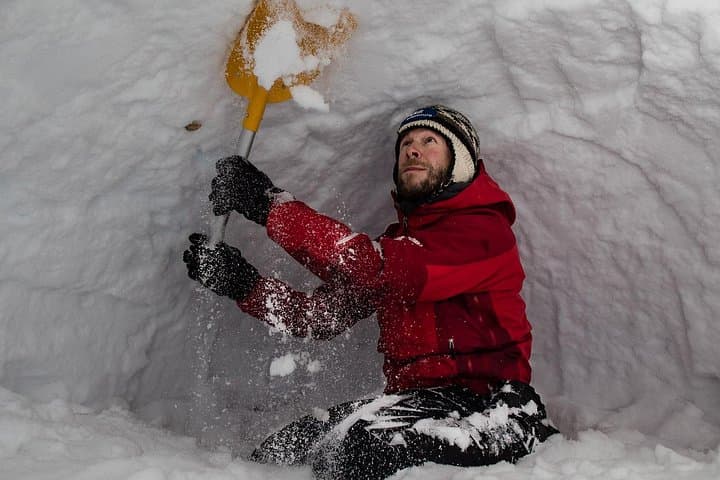
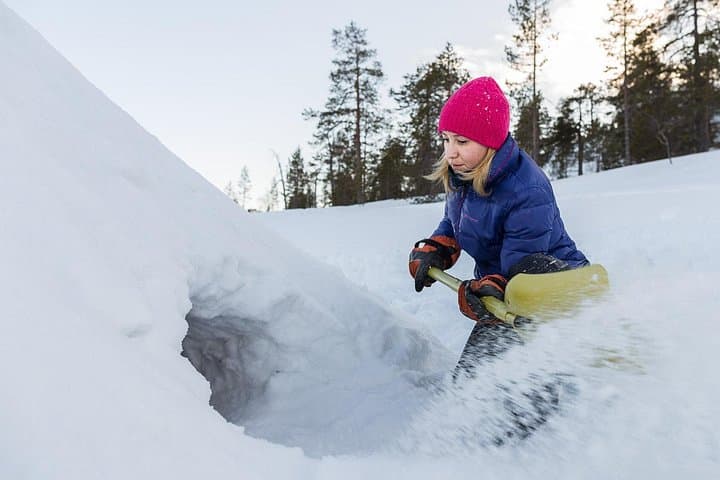
You meet your Bliss Adventure guide at CAMP Kitchen & Bar beside Hotel Pyhätunturi, where steaming mugs and a short theory session prime you for hands-on work. Away from resort lights the instructor points out the low ridge of the fells and explains the quinzee: a hemispherical shelter built by hollowing a settled snow mound. With shovels and teamwork you pile, settle and carve, turning loose snowfall into an insulated room that can hold a human body’s warmth all night. The guide stays close, monitoring conditions and offering a warm back-up hut if the weather turns or anyone prefers it.
This is Lapland of hard science and softer local tradition. The geology here is old, with shallow till over bedrock scoured by Pleistocene ice; the landscape that looks flat from a distance reveals gentle fells and wind-sculpted ridges underfoot. Culturally, the area is Sámi country — reindeer tracks and seasonal herding patterns thread into the story of survival in winter, and guides often weave natural history and folklore into practical lessons about layering, stoves and insulation.
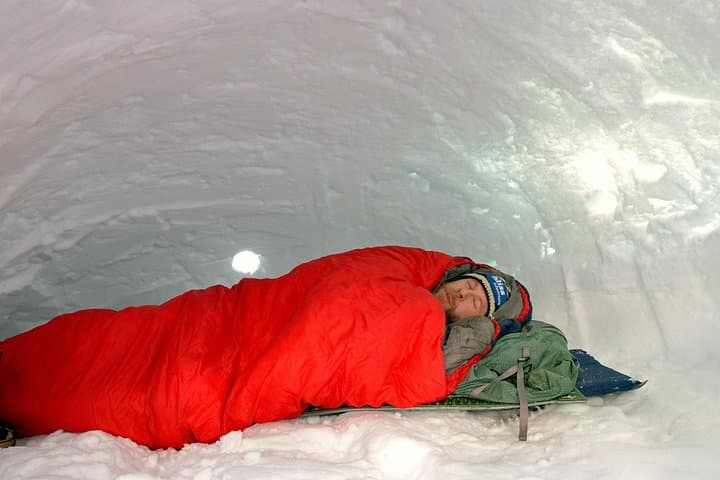
The practical part matters: expect a couple of hours to build the quinzee, followed by careful preparation to sleep in it — insulating pads, appropriate sleeping bags, and a plan for fluids and snacks. Your instructor demonstrates stoves and clothing choices, and serves warm drinks and a morning snack when you wake. The experience runs roughly 20–22 hours, weather-dependent, and is designed for people with a moderate level of fitness.
What you’ll take home isn’t just pictures of possible northern lights but usable skills: how to choose snow, how to shape ventilation and entrance, which materials retain heat best and how to manage condensation. You also gain a practical respect for Arctic weather — when the wind pushes and the temperature drops, the landscape feels purposeful, not picturesque.
Timing is everything: clear, cold nights increase the sighting odds for aurora; fresh, unpacked snow makes quinzee building easier. The day-trip logistics are simple — public transport reaches Hotel Pyhätunturi and guides handle the technicalities — but the preparation is personal: warm base layers, spare insulation, and an attitude for hands-on work. This is immersive winter camping with instruction, a blend of modern safety and old techniques, best for travelers who want to learn how the Arctic keeps itself habitable and how people can do the same.
No—this workshop is designed for beginners; guides teach techniques and monitor the group, though moderate fitness is required.
Guides can cancel for safety; there is a warm backup building nearby and the operator will relocate guests if conditions are unsafe.
Yes—meals, snacks and warm drinks are included in the experience as part of the booking.
Possible—clear skies and auroral activity create opportunities, but sightings cannot be guaranteed.
Comfort is relative: with proper insulation and gear the quinzee retains enough warmth for a restful night, but it’s a primitive shelter compared to huts or hotel rooms.
Meet at CAMP Kitchen & Bar beside Hotel Pyhätunturi; public transport and SkiBus from Rovaniemi stop at the hotel.
Bliss Adventure operates guided outdoor trips and adventures with an emphasis on safety, stewardship, and memorable experiences.
When the light finally thins to a hard blue and stars prick the Lapland sky, the snow around Pyhätunturi stops being a passive blanket and starts to act — it holds heat, muffles sound and, when shaped right, shelters you from the Arctic night.
When the light finally thins to a hard blue and stars prick the Lapland sky, the snow around Pyhätunturi stops being a passive blanket and starts to act — it holds heat, muffles sound and, when shaped right, shelters you from the Arctic night.
You meet your Bliss Adventure guide at CAMP Kitchen & Bar beside Hotel Pyhätunturi, where steaming mugs and a short theory session prime you for hands-on work. Away from resort lights the instructor points out the low ridge of the fells and explains the quinzee: a hemispherical shelter built by hollowing a settled snow mound. With shovels and teamwork you pile, settle and carve, turning loose snowfall into an insulated room that can hold a human body’s warmth all night. The guide stays close, monitoring conditions and offering a warm back-up hut if the weather turns or anyone prefers it.
This is Lapland of hard science and softer local tradition. The geology here is old, with shallow till over bedrock scoured by Pleistocene ice; the landscape that looks flat from a distance reveals gentle fells and wind-sculpted ridges underfoot. Culturally, the area is Sámi country — reindeer tracks and seasonal herding patterns thread into the story of survival in winter, and guides often weave natural history and folklore into practical lessons about layering, stoves and insulation.
The practical part matters: expect a couple of hours to build the quinzee, followed by careful preparation to sleep in it — insulating pads, appropriate sleeping bags, and a plan for fluids and snacks. Your instructor demonstrates stoves and clothing choices, and serves warm drinks and a morning snack when you wake. The experience runs roughly 20–22 hours, weather-dependent, and is designed for people with a moderate level of fitness.
What you’ll take home isn’t just pictures of possible northern lights but usable skills: how to choose snow, how to shape ventilation and entrance, which materials retain heat best and how to manage condensation. You also gain a practical respect for Arctic weather — when the wind pushes and the temperature drops, the landscape feels purposeful, not picturesque.
Timing is everything: clear, cold nights increase the sighting odds for aurora; fresh, unpacked snow makes quinzee building easier. The day-trip logistics are simple — public transport reaches Hotel Pyhätunturi and guides handle the technicalities — but the preparation is personal: warm base layers, spare insulation, and an attitude for hands-on work. This is immersive winter camping with instruction, a blend of modern safety and old techniques, best for travelers who want to learn how the Arctic keeps itself habitable and how people can do the same.