THE ADVENTURE COLLECTIVE® · Independent discovery and booking for outdoor travel

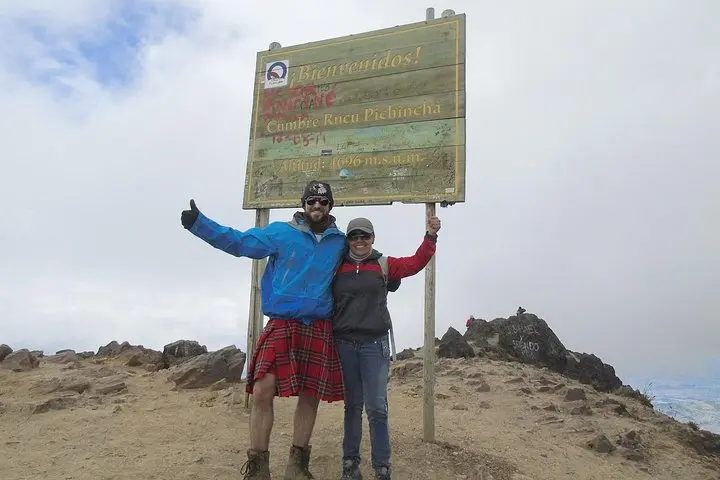
Ride the TeleferiQo to Cruz Loma, then trek across Andean páramo to the 4,784 m summit of Rucu Pichincha. This full-day Quito excursion blends high-altitude hiking with sweeping city-to-volcano views — prepare for thin air, quick weather changes, and unforgettable panoramas.
Ride the TeleferiQo to Cruz Loma, then trek across Andean páramo to the 4,784 m summit of Rucu Pichincha. This full-day Quito excursion blends high-altitude hiking with sweeping city-to-volcano views — prepare for thin air, quick weather changes, and unforgettable panoramas.
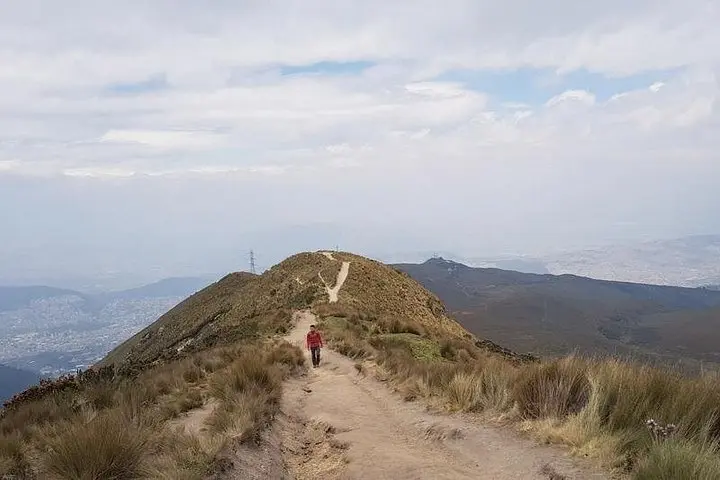
Morning light slices across the eastern flanks of Quito as the cable-car cabins climb toward Cruz Loma. From the glassed-in perch the city falls away — blocks, historic roofs and the twisting river valleys — and a cold, thin wind begins to dare you forward.
Verified experiences and guided adventures in the surrounding area.
Operated by Real Dreams Tour · Quito, Pichincha
Morning light slices across the eastern flanks of Quito as the cable-car cabins climb toward Cruz Loma. From the glassed-in perch the city falls away — blocks, historic roofs and the twisting river valleys — and a cold, thin wind begins to dare you forward.
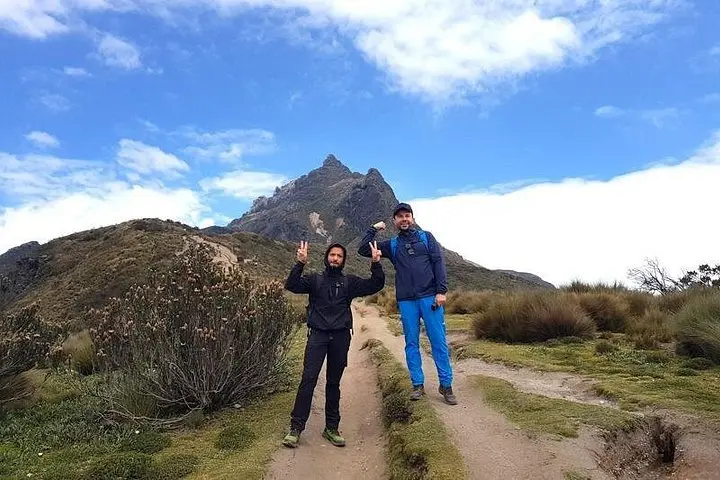
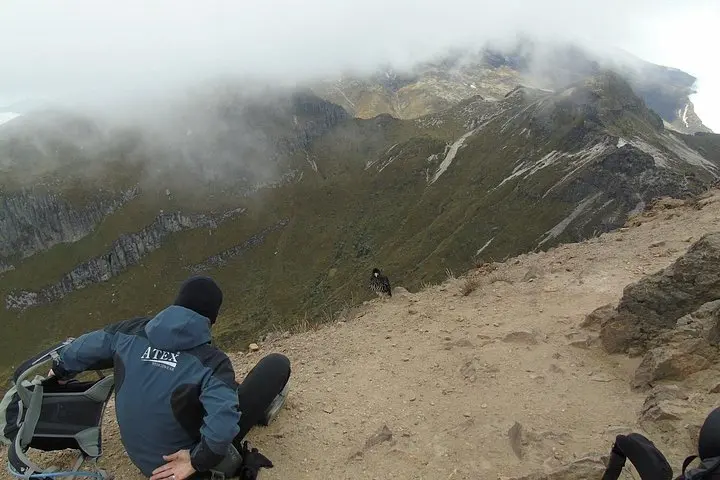
Rucu Pichincha (Rucu means “old” in Quechua) wears geological scars of explosive eruptions and hardened lava ribs. The route moves from urban edge into high Andean páramo: grasses stiff as brushes, volcanic scree and the serrated rock faces of Rucu. Local guides point out the Arenal ridge and the open bowls where past lava flows once pooled, and explain how Quito’s growth rests on these slopes.
Culturally the mountain is part of daily life — shepherds, llama grazers and Quito residents who come for acclimatization and training. Expect fast-changing weather: sun, wind and sudden drizzle can arrive within an hour. The trek typically begins at the TeleferiQo (Cruz Loma ~4,100 m) then follows marked paths across páramo, climbing to Rucu Pichincha’s 4,784 m summit over roughly four hours of hiking.
Practical edge: acclimatize in Quito for 24–48 hours beforehand, pack layers and at least 2–3 liters of water, and move deliberately on loose rock. The cable car reduces vertical gain but not altitude strain; plan for a full 6-hour day including transfers. For photographers, the reward is panoramic Quito-to-Andes views; for hikers, an honest high-altitude day that tests breathing more than technical skill.
Cable car admission is often not included; verify with your operator before departure and bring cash or card for the TeleferiQo if required.
Because the route reaches nearly 4,800 m, travelers can experience symptoms; acclimatize in Quito, hydrate, and notify the guide if you feel unwell.
Expect grassy páramo, packed dirt, volcanic scree and short sections of cracked rock; the trail is non-technical but can be steep and loose.
Many operators include bilingual guides and private pickup/drop-off in Quito; check inclusions when booking.
Real Dreams Tour operates guided outdoor trips and adventures with an emphasis on safety, stewardship, and memorable experiences.
Morning light slices across the eastern flanks of Quito as the cable-car cabins climb toward Cruz Loma. From the glassed-in perch the city falls away — blocks, historic roofs and the twisting river valleys — and a cold, thin wind begins to dare you forward.
Morning light slices across the eastern flanks of Quito as the cable-car cabins climb toward Cruz Loma. From the glassed-in perch the city falls away — blocks, historic roofs and the twisting river valleys — and a cold, thin wind begins to dare you forward.
Rucu Pichincha (Rucu means “old” in Quechua) wears geological scars of explosive eruptions and hardened lava ribs. The route moves from urban edge into high Andean páramo: grasses stiff as brushes, volcanic scree and the serrated rock faces of Rucu. Local guides point out the Arenal ridge and the open bowls where past lava flows once pooled, and explain how Quito’s growth rests on these slopes.
Culturally the mountain is part of daily life — shepherds, llama grazers and Quito residents who come for acclimatization and training. Expect fast-changing weather: sun, wind and sudden drizzle can arrive within an hour. The trek typically begins at the TeleferiQo (Cruz Loma ~4,100 m) then follows marked paths across páramo, climbing to Rucu Pichincha’s 4,784 m summit over roughly four hours of hiking.
Practical edge: acclimatize in Quito for 24–48 hours beforehand, pack layers and at least 2–3 liters of water, and move deliberately on loose rock. The cable car reduces vertical gain but not altitude strain; plan for a full 6-hour day including transfers. For photographers, the reward is panoramic Quito-to-Andes views; for hikers, an honest high-altitude day that tests breathing more than technical skill.