THE ADVENTURE COLLECTIVE® · Independent discovery and booking for outdoor travel

Move deliberately through Quito’s historic center on a slow walking tour that combines basilica viewpoints, baroque churches and the El Panecillo panorama. Expect colonial stone streets, high-altitude air, and hands-on cultural moments with local artisans.
Move deliberately through Quito’s historic center on a slow walking tour that combines basilica viewpoints, baroque churches and the El Panecillo panorama. Expect colonial stone streets, high-altitude air, and hands-on cultural moments with local artisans.
The morning light cleaves the Andes and slides down over Quito’s red-tiled roofs; the city exhales smoke and steam from food carts while the equatorial sky feels surprisingly thin. On this slow-paced walking tour, travelers move through stone streets and climb church towers, watching the valley and volcanoes push the horizon into sharp relief.
Verified experiences and guided adventures in the surrounding area.
Operated by Alpaka Touring · Quito, Pichincha
The morning light cleaves the Andes and slides down over Quito’s red-tiled roofs; the city exhales smoke and steam from food carts while the equatorial sky feels surprisingly thin. On this slow-paced walking tour, travelers move through stone streets and climb church towers, watching the valley and volcanoes push the horizon into sharp relief.
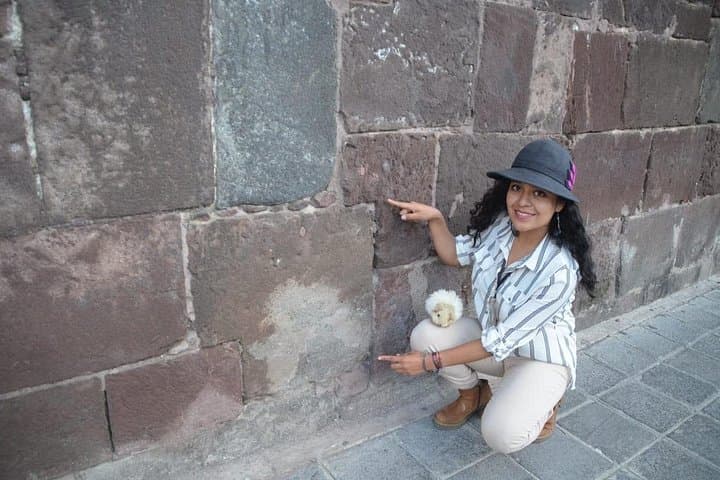
Quito’s story begins long before the Spanish arrival — the Quitu and later Inca networks read the sky and landscape, aligning plazas and processions to solstices and equinoxes. Colonial Quito layered European baroque over local craftsmanship: La Compañía’s gilded interiors fuse indigenous woodwork and gold-leaf techniques with Iberian design. Geologically, the city sits on an Andean plateau at roughly 2,850 m, carved by tectonics and volcanic neighbors that still shape light and weather.
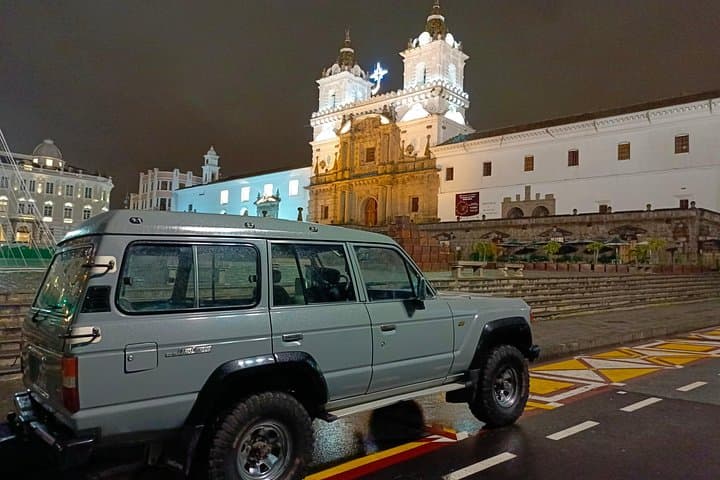
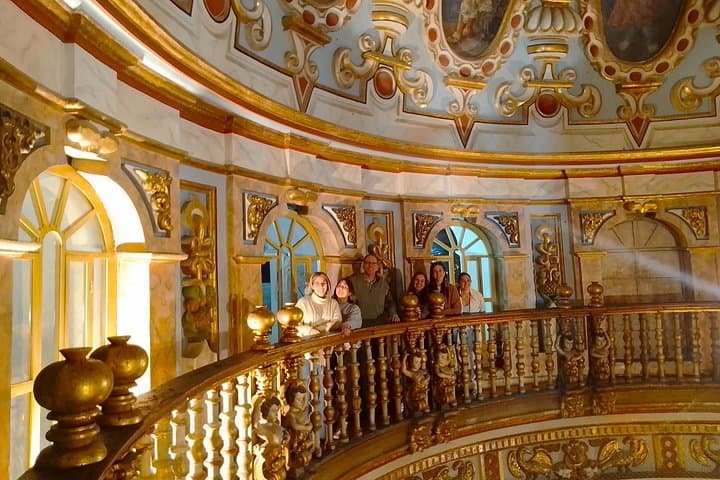
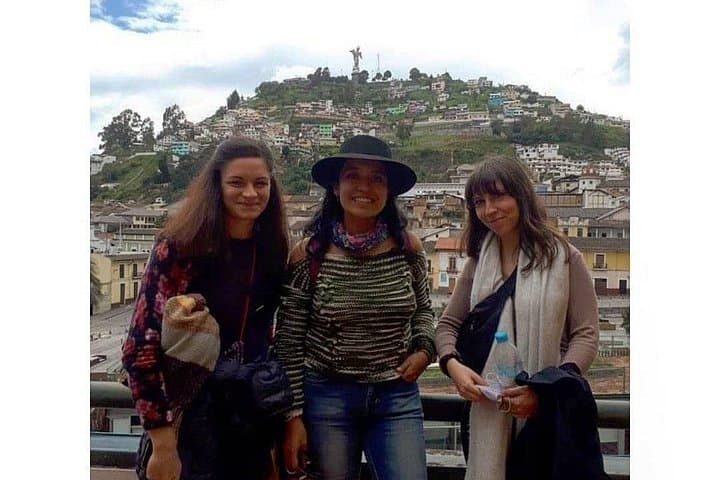
The itinerary focuses on the Basilica’s towering viewpoints, Plaza Grande’s political heart, La Compañía’s gold-drenched nave and domes, the atmospheric San Francisco square, and the lookout of El Panecillo with its sweeping city panorama. Along the way, expect artisan shops, street markets, and the slow rhythm of daily life.
Practical guidance: plan for altitude — hydrate before and during the tour, move deliberately on stairs and cobbled streets, and allow extra time for thin-air fatigue. Wear sturdy walking shoes and layer a windproof shell; mornings and evenings are cool year-round. Start early for softer light and fewer crowds, and carry small bills for entrance fees, tips, and market purchases. The tour is accessible to most fitness levels but includes steps and uneven surfaces — steady pace, frequent pauses, and respect for religious spaces will make the day more rewarding.
Yes — the pace is relaxed and accessible, but both may need slower walking and breaks due to altitude and stairs.
Some viewpoints may require separate admission; confirm with the provider and carry small bills just in case.
The tour is wheelchair accessible in parts, but some churches and viewpoints include steps or uneven floors — confirm specific accessibility needs in advance.
Tips for guides and drivers are customary; bring small-denomination bills for artisans, snacks, and minor entry fees.
Alpaka Touring operates guided outdoor trips and adventures with an emphasis on safety, stewardship, and memorable experiences.
The morning light cleaves the Andes and slides down over Quito’s red-tiled roofs; the city exhales smoke and steam from food carts while the equatorial sky feels surprisingly thin. On this slow-paced walking tour, travelers move through stone streets and climb church towers, watching the valley and volcanoes push the horizon into sharp relief.
The morning light cleaves the Andes and slides down over Quito’s red-tiled roofs; the city exhales smoke and steam from food carts while the equatorial sky feels surprisingly thin. On this slow-paced walking tour, travelers move through stone streets and climb church towers, watching the valley and volcanoes push the horizon into sharp relief.
Quito’s story begins long before the Spanish arrival — the Quitu and later Inca networks read the sky and landscape, aligning plazas and processions to solstices and equinoxes. Colonial Quito layered European baroque over local craftsmanship: La Compañía’s gilded interiors fuse indigenous woodwork and gold-leaf techniques with Iberian design. Geologically, the city sits on an Andean plateau at roughly 2,850 m, carved by tectonics and volcanic neighbors that still shape light and weather.
The itinerary focuses on the Basilica’s towering viewpoints, Plaza Grande’s political heart, La Compañía’s gold-drenched nave and domes, the atmospheric San Francisco square, and the lookout of El Panecillo with its sweeping city panorama. Along the way, expect artisan shops, street markets, and the slow rhythm of daily life.
Practical guidance: plan for altitude — hydrate before and during the tour, move deliberately on stairs and cobbled streets, and allow extra time for thin-air fatigue. Wear sturdy walking shoes and layer a windproof shell; mornings and evenings are cool year-round. Start early for softer light and fewer crowds, and carry small bills for entrance fees, tips, and market purchases. The tour is accessible to most fitness levels but includes steps and uneven surfaces — steady pace, frequent pauses, and respect for religious spaces will make the day more rewarding.