THE ADVENTURE COLLECTIVE® · Independent discovery and booking for outdoor travel

From Quito's colonial plazas to the volcanic ridgelines and turquoise bays of the Galápagos, this eight-day itinerary stitches city history, Andean highlands and island wildlife into a compact, practical adventure.
From Quito's colonial plazas to the volcanic ridgelines and turquoise bays of the Galápagos, this eight-day itinerary stitches city history, Andean highlands and island wildlife into a compact, practical adventure.
You step out of the Quito hotel lobby and the city's high-altitude air — thin, clear, edged with volcanos — immediately resets your pace. Streets of colonial stone dissolve into the Panamericana's ribbon of Andean grasslands; by mid-morning the Cotopaxi cone looms like a geological commandment, its glacier-scarred flanks daring you to look higher.
Verified experiences and guided adventures in the surrounding area.
Operated by BM TOURS SA · Puerto Ayora, Galápagos Province
You step out of the Quito hotel lobby and the city's high-altitude air — thin, clear, edged with volcanos — immediately resets your pace. Streets of colonial stone dissolve into the Panamericana's ribbon of Andean grasslands; by mid-morning the Cotopaxi cone looms like a geological commandment, its glacier-scarred flanks daring you to look higher.
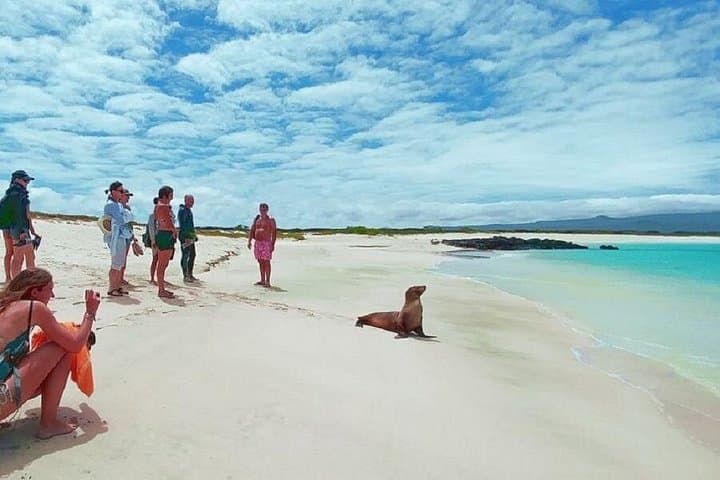
By day four the scene flips: a short flight, the clang of propellers, and Baltra's arid heat greets you. Puerto Ayora on Santa Cruz becomes basecamp. Lava flows and wind-sculpted shorelines here have been writing the islands' story for millions of years; the archipelago emerged from submarine eruptions and ocean currents that continue to shape its ecology. On Santa Fe's turquoise bay, sea lions thread through snorkelers; on Bartolomé a wooden staircase rises to a viewpoint that catalogs the islands in a single sweep — Santiago, Rabida, Baltra — black rock and white sand stitched together by surf.
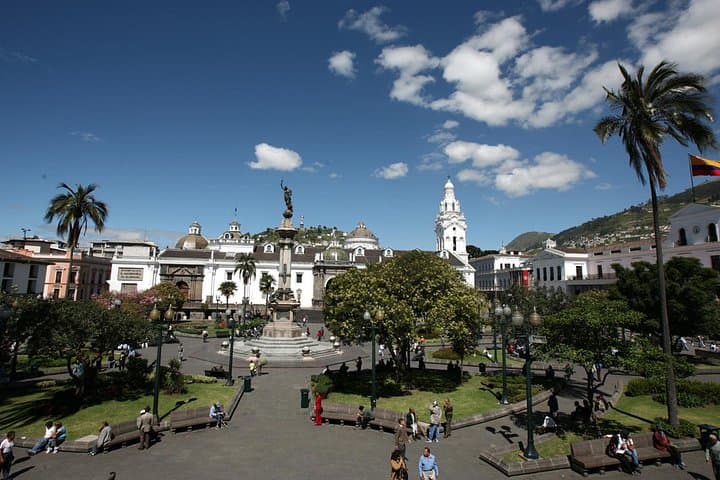
History and culture thread quietly through the itinerary. Quito's Historic Center, declared a UNESCO site for its intact colonial grid and baroque churches, recalls Spanish-era trade routes and the later scientific expeditions that brought global attention to Ecuador. The Galápagos, of course, are tied to Darwin's observations and ongoing conservation efforts; visited islands are carefully managed, and park rules shape how locals and visitors interact with wildlife.
The trip balances guided interpretation and independent exploration: a Quito city tour and Middle of the World visit, a day into Cotopaxi National Park with easy walks to Limpiopungo lagoon, then inter-island boat days for snorkeling, short hikes, and wildlife viewing. Terrain ranges from Quito's cobbled streets and highland roads to volcanic trails and low, arid scrub on the islands; expect short uphill sections, stairs (Bartolomé), and boulder-strewn shorelines.
Practical edge: acclimatize in Quito for 24 hours if arriving from sea level; drink plenty of water, limit alcohol the first evening, and pack layers — nights in the highlands are cold, afternoons in the Galápagos are warm and windy. Snorkel sessions and shore landings are typically gentle but require basic mobility and a willingness to step across rocks and onto small boats.
If you want to focus a camera, plan for sunrise and late afternoon light at viewpoints and bring a compact dry bag for boat days. Respect park guidance: stay on marked trails, keep distances from wildlife, and avoid single-use plastics. The trip's rhythm moves from city history to highland geology and then to marine life, offering a compact but rich cross-section of Ecuador's natural heritage — pragmatic, invigorating, and designed for travelers who want both context and close encounters with places that still feel elemental.
Many nationalities enter Ecuador visa-free for tourism; check your country's requirements and ensure your passport has at least six months' validity and required entry stamps.
Park admission and the Ingala transit card are typically charged separately at the islands' airports or ports; confirm with the operator what is included in your booking.
No formal certification is required for the short, guided snorkeling sessions included — basic comfort in the water is sufficient.
The itinerary mixes guided activities and independent exploration; island days include boat schedules but allow time for short walks and self-guided snorkeling between stops.
Yes — the itinerary visits tortoise ranches and Galapaguera sites where tortoises are commonly observed in protected enclosures and natural settings.
Quito sits above 2,800 m (9,200 ft) and Cotopaxi is much higher — mild symptoms are possible; hydrate, avoid heavy exertion the first day, and consult a doctor if you have preexisting conditions.
BM TOURS SA operates guided outdoor trips and adventures with an emphasis on safety, stewardship, and memorable experiences.


You step out of the Quito hotel lobby and the city's high-altitude air — thin, clear, edged with volcanos — immediately resets your pace. Streets of colonial stone dissolve into the Panamericana's ribbon of Andean grasslands; by mid-morning the Cotopaxi cone looms like a geological commandment, its glacier-scarred flanks daring you to look higher.
You step out of the Quito hotel lobby and the city's high-altitude air — thin, clear, edged with volcanos — immediately resets your pace. Streets of colonial stone dissolve into the Panamericana's ribbon of Andean grasslands; by mid-morning the Cotopaxi cone looms like a geological commandment, its glacier-scarred flanks daring you to look higher.
By day four the scene flips: a short flight, the clang of propellers, and Baltra's arid heat greets you. Puerto Ayora on Santa Cruz becomes basecamp. Lava flows and wind-sculpted shorelines here have been writing the islands' story for millions of years; the archipelago emerged from submarine eruptions and ocean currents that continue to shape its ecology. On Santa Fe's turquoise bay, sea lions thread through snorkelers; on Bartolomé a wooden staircase rises to a viewpoint that catalogs the islands in a single sweep — Santiago, Rabida, Baltra — black rock and white sand stitched together by surf.
History and culture thread quietly through the itinerary. Quito's Historic Center, declared a UNESCO site for its intact colonial grid and baroque churches, recalls Spanish-era trade routes and the later scientific expeditions that brought global attention to Ecuador. The Galápagos, of course, are tied to Darwin's observations and ongoing conservation efforts; visited islands are carefully managed, and park rules shape how locals and visitors interact with wildlife.
The trip balances guided interpretation and independent exploration: a Quito city tour and Middle of the World visit, a day into Cotopaxi National Park with easy walks to Limpiopungo lagoon, then inter-island boat days for snorkeling, short hikes, and wildlife viewing. Terrain ranges from Quito's cobbled streets and highland roads to volcanic trails and low, arid scrub on the islands; expect short uphill sections, stairs (Bartolomé), and boulder-strewn shorelines.
Practical edge: acclimatize in Quito for 24 hours if arriving from sea level; drink plenty of water, limit alcohol the first evening, and pack layers — nights in the highlands are cold, afternoons in the Galápagos are warm and windy. Snorkel sessions and shore landings are typically gentle but require basic mobility and a willingness to step across rocks and onto small boats.
If you want to focus a camera, plan for sunrise and late afternoon light at viewpoints and bring a compact dry bag for boat days. Respect park guidance: stay on marked trails, keep distances from wildlife, and avoid single-use plastics. The trip's rhythm moves from city history to highland geology and then to marine life, offering a compact but rich cross-section of Ecuador's natural heritage — pragmatic, invigorating, and designed for travelers who want both context and close encounters with places that still feel elemental.