THE ADVENTURE COLLECTIVE® · Independent discovery and booking for outdoor travel

Spend three days moving between colonial plazas, soaring viewpoints and the equatorial monument. This private Quito weekend pairs market walks and neo‑Gothic churches with a visit to the Ciudad Mitad del Mundo and Pululahua crater.
Spend three days moving between colonial plazas, soaring viewpoints and the equatorial monument. This private Quito weekend pairs market walks and neo‑Gothic churches with a visit to the Ciudad Mitad del Mundo and Pululahua crater.
You step out into thin Andean air, the city unfurling on a high plateau ringed by volcanic peaks. Cobblestones underfoot, church bells punctuate the morning and a vendor calls the day’s fresh flowers — that is the first impression of a Quito weekend: compact, vertical, and loudly historic.
Verified experiences and guided adventures in the surrounding area.
Operated by BM TOURS SA · Quito, Pichincha
You step out into thin Andean air, the city unfurling on a high plateau ringed by volcanic peaks. Cobblestones underfoot, church bells punctuate the morning and a vendor calls the day’s fresh flowers — that is the first impression of a Quito weekend: compact, vertical, and loudly historic.
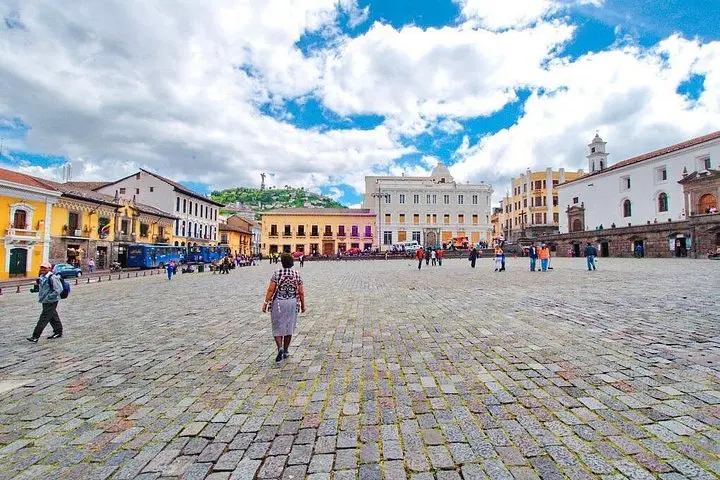
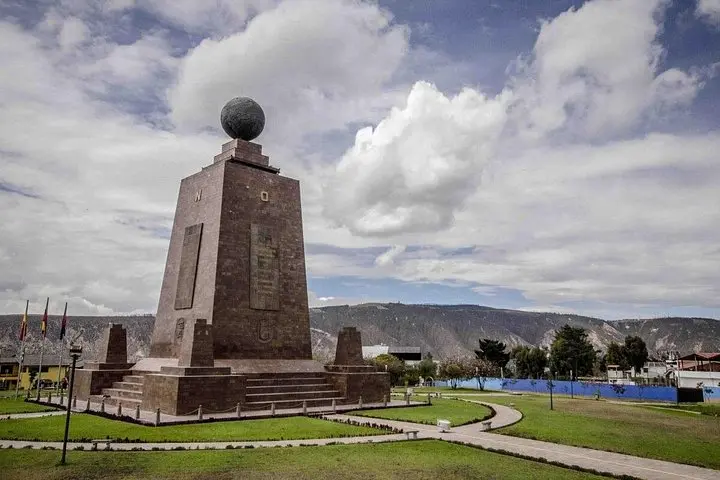
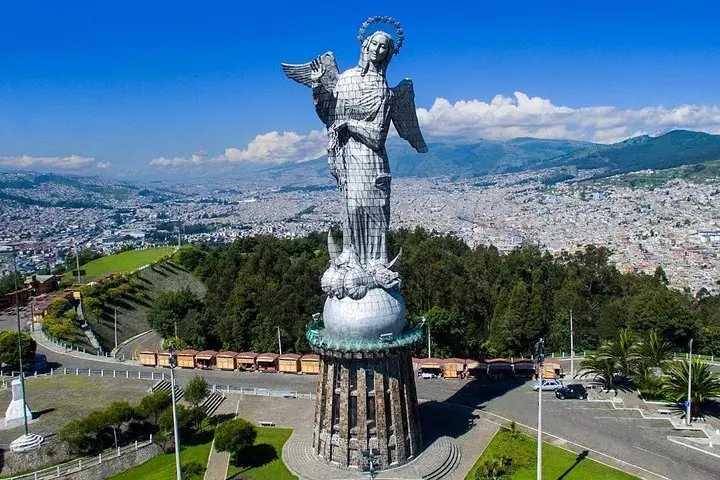
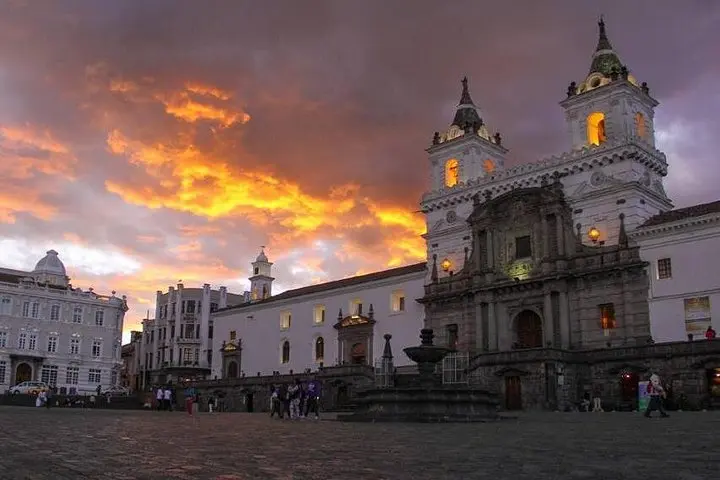
The core of the experience is colonial Quito — Plaza Grande, La Compañía de Jesús with its gilded interior, and the Panecillo hill topped by the Virgin of Quito. Geology creases the itinerary: the city sits at about 2,850–2,970 m elevation on the eastern edge of the Andes, and a short drive north takes you to Pululahua, one of the world’s inhabited volcanic craters, and the Ciudad Mitad del Mundo complex where the 18th-century French Geodesic Mission located the equatorial line.
Culture here is tactile: market alleys where fruit and flowers compete for space with street food, artisans on La Ronda, and plazas where politics and daily life intersect. Guides mix colonial anecdotes with practical local knowledge — how to read the skyline for weather, or where to try a traditional breakfast.
Practically: expect gentle walking interspersed with drives in private transport; daily on-foot distances are short (roughly 2–5 km total), but plan for altitude, bright sun, and rapidly changing weather. Bring a passport for the Mitad del Mundo stamp, layered clothing, sturdy shoes, sunscreen and a reusable bottle. The itinerary is family-friendly but not advised for travelers with serious cardiovascular, spinal or pregnancy-related restrictions. Mornings are best for city sights; afternoons for viewpoints and crater lookouts.
Admission to the Ciudad Mitad del Mundo complex is not included in the standard itinerary — bring cash or card for entry and optional exhibits.
Yes—bring your original passport if you want the equator stamp and for any ID checks during transfers.
Expect mostly short, guided walks between sites (roughly 2–5 km total per day), with stairs at churches and viewpoints like the Basilica towers and Panecillo.
The tour is listed as suitable for most fitness levels but is not recommended for travelers with severe cardiovascular issues, spinal injuries, or pregnancy; consult your guide if concerned.
BM TOURS SA operates guided outdoor trips and adventures with an emphasis on safety, stewardship, and memorable experiences.
You step out into thin Andean air, the city unfurling on a high plateau ringed by volcanic peaks. Cobblestones underfoot, church bells punctuate the morning and a vendor calls the day’s fresh flowers — that is the first impression of a Quito weekend: compact, vertical, and loudly historic.
You step out into thin Andean air, the city unfurling on a high plateau ringed by volcanic peaks. Cobblestones underfoot, church bells punctuate the morning and a vendor calls the day’s fresh flowers — that is the first impression of a Quito weekend: compact, vertical, and loudly historic.
The core of the experience is colonial Quito — Plaza Grande, La Compañía de Jesús with its gilded interior, and the Panecillo hill topped by the Virgin of Quito. Geology creases the itinerary: the city sits at about 2,850–2,970 m elevation on the eastern edge of the Andes, and a short drive north takes you to Pululahua, one of the world’s inhabited volcanic craters, and the Ciudad Mitad del Mundo complex where the 18th-century French Geodesic Mission located the equatorial line.
Culture here is tactile: market alleys where fruit and flowers compete for space with street food, artisans on La Ronda, and plazas where politics and daily life intersect. Guides mix colonial anecdotes with practical local knowledge — how to read the skyline for weather, or where to try a traditional breakfast.
Practically: expect gentle walking interspersed with drives in private transport; daily on-foot distances are short (roughly 2–5 km total), but plan for altitude, bright sun, and rapidly changing weather. Bring a passport for the Mitad del Mundo stamp, layered clothing, sturdy shoes, sunscreen and a reusable bottle. The itinerary is family-friendly but not advised for travelers with serious cardiovascular, spinal or pregnancy-related restrictions. Mornings are best for city sights; afternoons for viewpoints and crater lookouts.