THE ADVENTURE COLLECTIVE® · Independent discovery and booking for outdoor travel

Walk beneath the 73‑meter Qutub Minar with a local storyteller and explore Mehrauli Archaeological Park's mosques, tombs and unfinished monuments. This private two‑hour tour pairs close‑up history with practical routing on mostly flat, stroller‑friendly paths.
Walk beneath the 73‑meter Qutub Minar with a local storyteller and explore Mehrauli Archaeological Park's mosques, tombs and unfinished monuments. This private two‑hour tour pairs close‑up history with practical routing on mostly flat, stroller‑friendly paths.
You meet at Qutub Minar Metro Station Gate No. 1 and immediately feel the scale: a 73‑meter stone tower pulls the eye skyward while neem trees trim the horizon and the city's hum drops to a distant susurrus. A local storyteller leads the group through paved alleys and scattered ruins, reading inscriptions and pointing out carved details that most passersby miss.
Verified experiences and guided adventures in the surrounding area.
Operated by Trocals · New Delhi, Delhi
You meet at Qutub Minar Metro Station Gate No. 1 and immediately feel the scale: a 73‑meter stone tower pulls the eye skyward while neem trees trim the horizon and the city's hum drops to a distant susurrus. A local storyteller leads the group through paved alleys and scattered ruins, reading inscriptions and pointing out carved details that most passersby miss.
The Qutub Minar complex — designated a UNESCO World Heritage Site in 1993 — dates to 1193 when Qutub‑ud‑din Aibak began the first stage of the minaret. Later sultanate rulers added stories and ornamental bands; the contrast of red sandstone and pale marble tells a layered political history. Mehrauli Archaeological Park stretches around it: the unfinished Alai Minar, the pointed gateway of Alai Darwaza, tombs and ruined mosques that mark Delhi's early urban footprint.
Geologically the area sits on the flat Indo‑Gangetic plain; most features are man‑made—carved stone, coursed brick and reused temple fragments—so expect uneven flagstones and compacted earth rather than steep trails.
This two‑hour private walk blends cultural narrative with practical stops. The guide provides bottled water; admission fees are not included. The route is largely flat and stroller‑accessible, but some paths are uneven and include steps. For best photos and cooler temperatures, schedule the tour early morning. Wear sturdy shoes, sun protection and carry a small amount of cash for entrance tickets or donations. Respect signs around sensitive monuments and allow your storyteller to frame the architecture — they bring the stones to life while you walk between centuries.
No, admission is not included; the guide meets you at the metro and the group purchases tickets separately when required.
Meet at Qutub Minar Metro Station Gate No. 1 — the guide will wait there and lead the group into the complex.
Much of the route is on paved, flat paths and is stroller accessible, though some sections have uneven stones or steps that can be challenging for wheelchairs.
Photography for personal use is generally allowed; drone use is restricted inside the archaeological complex and requires permits from local authorities.
Trocals operates guided outdoor trips and adventures with an emphasis on safety, stewardship, and memorable experiences.
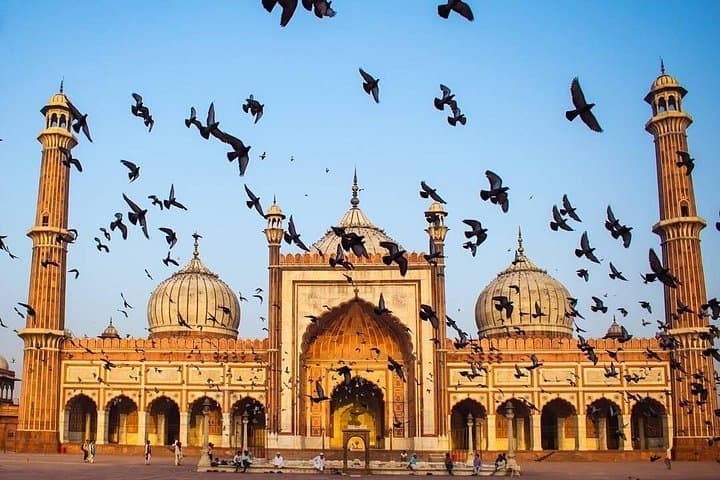


You meet at Qutub Minar Metro Station Gate No. 1 and immediately feel the scale: a 73‑meter stone tower pulls the eye skyward while neem trees trim the horizon and the city's hum drops to a distant susurrus. A local storyteller leads the group through paved alleys and scattered ruins, reading inscriptions and pointing out carved details that most passersby miss.
You meet at Qutub Minar Metro Station Gate No. 1 and immediately feel the scale: a 73‑meter stone tower pulls the eye skyward while neem trees trim the horizon and the city's hum drops to a distant susurrus. A local storyteller leads the group through paved alleys and scattered ruins, reading inscriptions and pointing out carved details that most passersby miss.
The Qutub Minar complex — designated a UNESCO World Heritage Site in 1993 — dates to 1193 when Qutub‑ud‑din Aibak began the first stage of the minaret. Later sultanate rulers added stories and ornamental bands; the contrast of red sandstone and pale marble tells a layered political history. Mehrauli Archaeological Park stretches around it: the unfinished Alai Minar, the pointed gateway of Alai Darwaza, tombs and ruined mosques that mark Delhi's early urban footprint.
Geologically the area sits on the flat Indo‑Gangetic plain; most features are man‑made—carved stone, coursed brick and reused temple fragments—so expect uneven flagstones and compacted earth rather than steep trails.
This two‑hour private walk blends cultural narrative with practical stops. The guide provides bottled water; admission fees are not included. The route is largely flat and stroller‑accessible, but some paths are uneven and include steps. For best photos and cooler temperatures, schedule the tour early morning. Wear sturdy shoes, sun protection and carry a small amount of cash for entrance tickets or donations. Respect signs around sensitive monuments and allow your storyteller to frame the architecture — they bring the stones to life while you walk between centuries.