THE ADVENTURE COLLECTIVE® · Independent discovery and booking for outdoor travel

Step into Rabot Estate’s cacao groves for a hands-on bean-to-bar workshop that traces chocolate from pod to bar. This two-hour experience blends rainforest walks, grafting demos and a guided chocolate-making session at the foot of St. Lucia’s volcanic slopes.
Step into Rabot Estate’s cacao groves for a hands-on bean-to-bar workshop that traces chocolate from pod to bar. This two-hour experience blends rainforest walks, grafting demos and a guided chocolate-making session at the foot of St. Lucia’s volcanic slopes.
The rainforest breathes close at Rabot Estate — humidity lifting cacao-scented air as you step from the vehicle onto red volcanic soil. Tall cacao trees shade a mosaic of banana and breadfruit; pods hang like lanterns, their pulp glistening when split open. Guides move through the grove with a practiced calm, inviting visitors to taste fresh pulp and feel the grain of a bean between thumb and forefinger.
Verified experiences and guided adventures in the surrounding area.
Operated by Xceptional Tours · Soufrière, St. Lucia
The rainforest breathes close at Rabot Estate — humidity lifting cacao-scented air as you step from the vehicle onto red volcanic soil. Tall cacao trees shade a mosaic of banana and breadfruit; pods hang like lanterns, their pulp glistening when split open. Guides move through the grove with a practiced calm, inviting visitors to taste fresh pulp and feel the grain of a bean between thumb and forefinger.
Cacao is woven into St. Lucia’s colonial history: estates evolved from sugar to cocoa, and Rabot stands where volcanic soils and steady trade winds favor robust flavor. Geology matters here — the island’s volcanic ridges and nearby Pitons create microclimates that influence bean acidity and aroma. The experience blends that context with hands-on craft: a grafting demo, a walk through planted rows, then a 90-minute chocolate-making workshop where you roast, grind and mold your own bar.
Expect a balance of outdoors and workbench time. The grove portion is shaded but humid; the workshop is seated and tactile. Guides discuss sustainable growing practices and Farm-to-Bar production, and you walk away with a freshly made chocolate bar and a clearer picture of cacao’s cultural role on the island.
Practical notes: the tour is about two hours and often includes private transfer from coastal towns. Wear closed-toe shoes you don’t mind getting dust on, bring sun protection and insect repellent for the grove, and allow time for travel from Soufrière or Castries. Book ahead in high season and plan for wet weather — the shop and workshop run rain or shine.
Private air-conditioned transportation is typically included; confirm pickup point when booking and allow extra travel time from Castries or Soufrière.
Yes; the workshop is family-friendly and infants can ride in strollers, but policies on ages may vary—check with the operator for age limits.
Yes—participants make their own bar to take home; handling and packaging are provided during the session.
Full refunds are usually available if canceled at least 24 hours before the scheduled departure; confirm exact terms at booking.
Xceptional Tours operates guided outdoor trips and adventures with an emphasis on safety, stewardship, and memorable experiences.
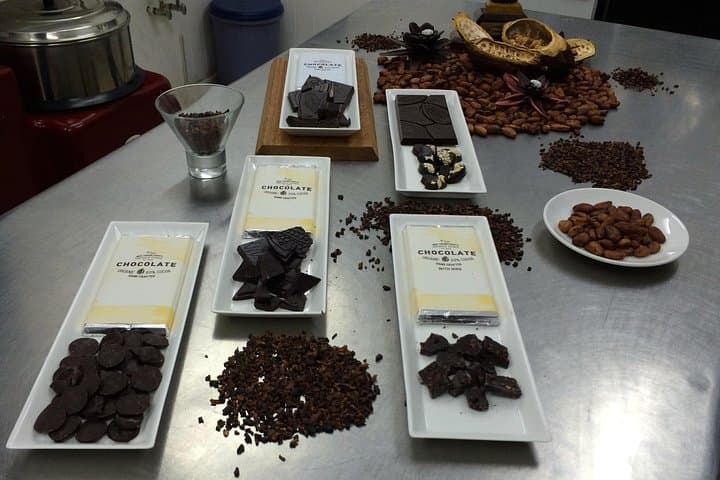

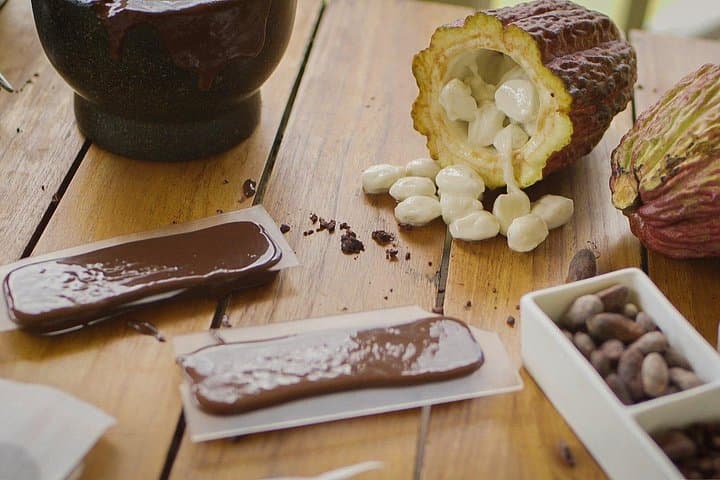

The rainforest breathes close at Rabot Estate — humidity lifting cacao-scented air as you step from the vehicle onto red volcanic soil. Tall cacao trees shade a mosaic of banana and breadfruit; pods hang like lanterns, their pulp glistening when split open. Guides move through the grove with a practiced calm, inviting visitors to taste fresh pulp and feel the grain of a bean between thumb and forefinger.
The rainforest breathes close at Rabot Estate — humidity lifting cacao-scented air as you step from the vehicle onto red volcanic soil. Tall cacao trees shade a mosaic of banana and breadfruit; pods hang like lanterns, their pulp glistening when split open. Guides move through the grove with a practiced calm, inviting visitors to taste fresh pulp and feel the grain of a bean between thumb and forefinger.
Cacao is woven into St. Lucia’s colonial history: estates evolved from sugar to cocoa, and Rabot stands where volcanic soils and steady trade winds favor robust flavor. Geology matters here — the island’s volcanic ridges and nearby Pitons create microclimates that influence bean acidity and aroma. The experience blends that context with hands-on craft: a grafting demo, a walk through planted rows, then a 90-minute chocolate-making workshop where you roast, grind and mold your own bar.
Expect a balance of outdoors and workbench time. The grove portion is shaded but humid; the workshop is seated and tactile. Guides discuss sustainable growing practices and Farm-to-Bar production, and you walk away with a freshly made chocolate bar and a clearer picture of cacao’s cultural role on the island.
Practical notes: the tour is about two hours and often includes private transfer from coastal towns. Wear closed-toe shoes you don’t mind getting dust on, bring sun protection and insect repellent for the grove, and allow time for travel from Soufrière or Castries. Book ahead in high season and plan for wet weather — the shop and workshop run rain or shine.