THE ADVENTURE COLLECTIVE® · Independent discovery and booking for outdoor travel

Explore cacao from grove to bar at Rabot Estate with Hotel Chocolat’s Project Chocolat tour. In 2–3 hours you’ll walk the rainforest, taste fresh cacao, craft a chocolate bar, and enjoy cacao-infused cuisine with Pitons views.
Explore cacao from grove to bar at Rabot Estate with Hotel Chocolat’s Project Chocolat tour. In 2–3 hours you’ll walk the rainforest, taste fresh cacao, craft a chocolate bar, and enjoy cacao-infused cuisine with Pitons views.
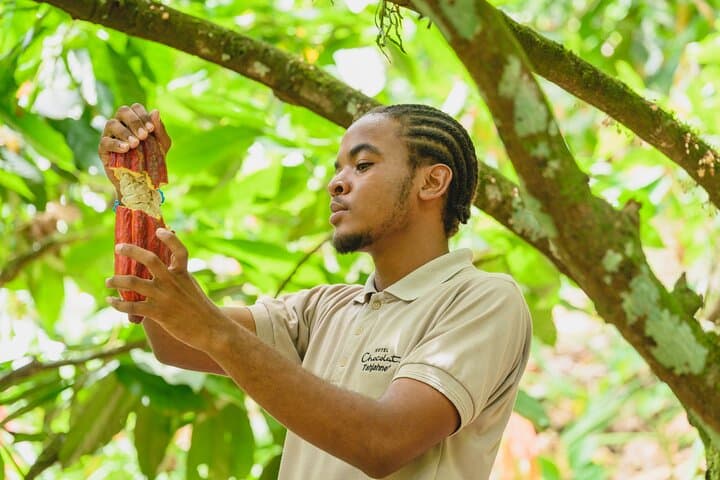
The rainforest opens before you, humid air carrying the bright tang of cacao pulp as you step off the estate path and under a canopy that keeps the light dappled and alive.
Verified experiences and guided adventures in the surrounding area.
Operated by Project Chocolat from Hotel Chocolat · Soufrière, Soufrière Quarter
The rainforest opens before you, humid air carrying the bright tang of cacao pulp as you step off the estate path and under a canopy that keeps the light dappled and alive.
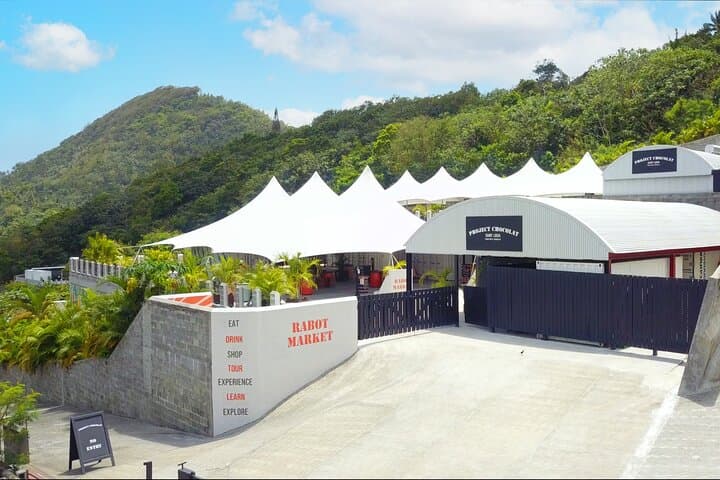
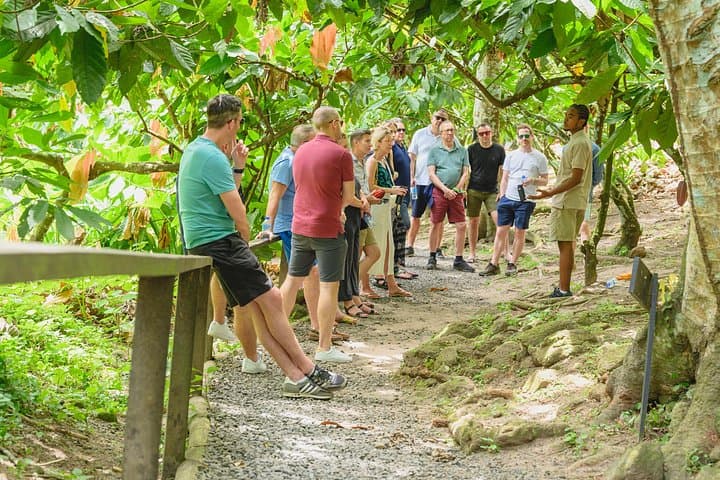
At Hotel Chocolat’s Rabot Estate, the Project Chocolat Tree-to-Bar tour moves at an intimate, sensory pace: a guided walk through productive cacao groves, a hands-on grafting demo, fresh-pod tasting, and the slow alchemy of bean-to-bar chocolate—finished with a market-style lunch overlooking the Pitons UNESCO World Heritage Site.
Cacao here is both crop and culture. The estate sits in a volcanic landscape shaped by the island’s geology; mineral-rich soils and slope drainage influence pod quality and flavor. Colonization, plantation history, and a modern push for sustainable farming have all left marks—Hotel Chocolat’s program ties specialty chocolate craft to local growers and conservation practices.
Expect close-up encounters with nursery beds and fermentation piles, the sticky sweetness of pulp between your fingers, and a short workshop where you mold and flavor a bar to take home. The tour runs about 2–3 hours, mostly on soft, sometimes uneven trails; light slopes and steps are common.
Practical essentials: wear closed-toe shoes, bring sun protection and insect repellent, and come ready to taste and handle cacao. Photography is welcome but follow guide direction near sensitive nursery areas. The experience balances education and indulgence—part farm tour, part culinary lab—ideal for travelers who want a grounded, tactile understanding of where chocolate begins.
Yes—lunch is included and served market-style on the estate terrace featuring cacao-infused dishes and local produce.
The experience is recommended for ages 8 and up; younger children may find the walking and demonstrations unsuitable.
Moderate—short uphill sections, steps, and uneven ground; guests should be able to walk for up to three hours with brief stops.
Yes—there’s a retail area selling estate-made chocolate, cacao-based beauty products, and spirits produced by the property.
Project Chocolat from Hotel Chocolat operates guided outdoor trips and adventures with an emphasis on safety, stewardship, and memorable experiences.
The rainforest opens before you, humid air carrying the bright tang of cacao pulp as you step off the estate path and under a canopy that keeps the light dappled and alive.
The rainforest opens before you, humid air carrying the bright tang of cacao pulp as you step off the estate path and under a canopy that keeps the light dappled and alive.
At Hotel Chocolat’s Rabot Estate, the Project Chocolat Tree-to-Bar tour moves at an intimate, sensory pace: a guided walk through productive cacao groves, a hands-on grafting demo, fresh-pod tasting, and the slow alchemy of bean-to-bar chocolate—finished with a market-style lunch overlooking the Pitons UNESCO World Heritage Site.
Cacao here is both crop and culture. The estate sits in a volcanic landscape shaped by the island’s geology; mineral-rich soils and slope drainage influence pod quality and flavor. Colonization, plantation history, and a modern push for sustainable farming have all left marks—Hotel Chocolat’s program ties specialty chocolate craft to local growers and conservation practices.
Expect close-up encounters with nursery beds and fermentation piles, the sticky sweetness of pulp between your fingers, and a short workshop where you mold and flavor a bar to take home. The tour runs about 2–3 hours, mostly on soft, sometimes uneven trails; light slopes and steps are common.
Practical essentials: wear closed-toe shoes, bring sun protection and insect repellent, and come ready to taste and handle cacao. Photography is welcome but follow guide direction near sensitive nursery areas. The experience balances education and indulgence—part farm tour, part culinary lab—ideal for travelers who want a grounded, tactile understanding of where chocolate begins.