THE ADVENTURE COLLECTIVE® · Independent discovery and booking for outdoor travel

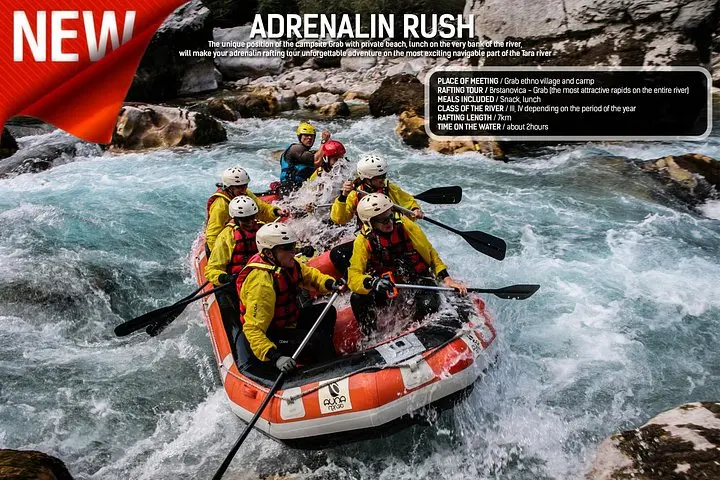
Short but punchy, the 7km Brstanovica–Grab rafting run on the Tara River stitches technical rapids with wild canyon scenery. Expect II–IV whitewater, trained guides, a swim stop and a riverside lunch—perfect for travelers with a taste for concentrated adrenaline.
Short but punchy, the 7km Brstanovica–Grab rafting run on the Tara River stitches technical rapids with wild canyon scenery. Expect II–IV whitewater, trained guides, a swim stop and a riverside lunch—perfect for travelers with a taste for concentrated adrenaline.
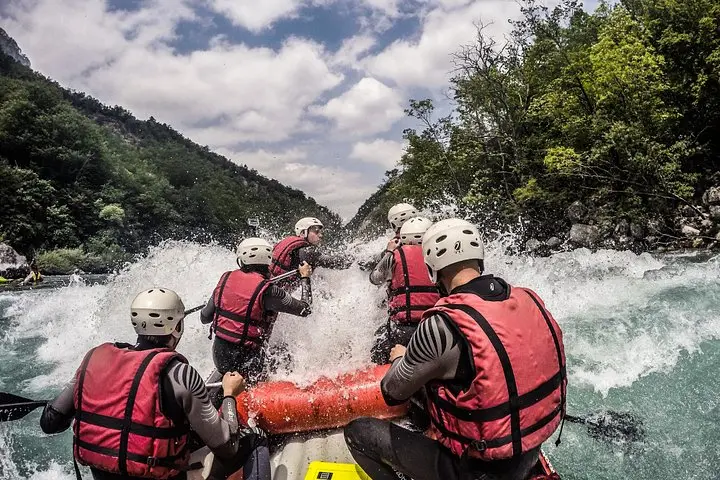
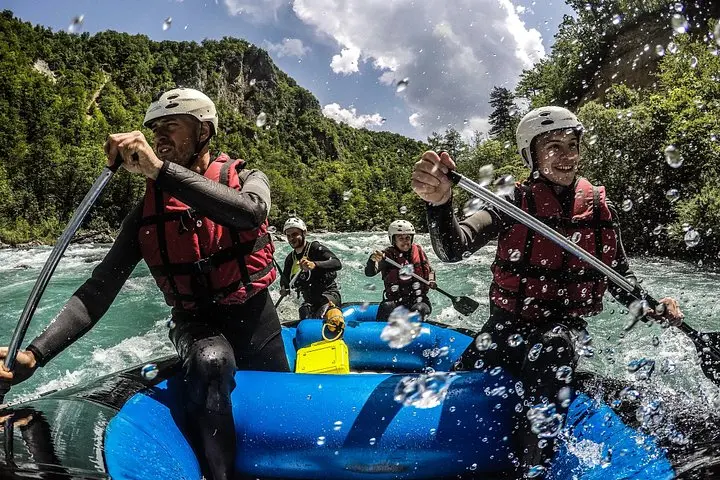
The river meets you first: a hard, bright line cutting through limestone walls, then a voice—Tara—pulling at the raft with curious, playful surges. At Camp Grab you strip off the stiffness of travel and slide into neoprene; the guides talk quietly about currents and eddies while the canyon opens in a succession of green and gray. Within minutes the boat tips and the rapids begin—Celije, Borovi, Varda—each name a small challenge, each drop a breath held and then released.
Verified experiences and guided adventures in the surrounding area.
Operated by Camp Grab · Plužine, Plužine Municipality
The river meets you first: a hard, bright line cutting through limestone walls, then a voice—Tara—pulling at the raft with curious, playful surges. At Camp Grab you strip off the stiffness of travel and slide into neoprene; the guides talk quietly about currents and eddies while the canyon opens in a succession of green and gray. Within minutes the boat tips and the rapids begin—Celije, Borovi, Varda—each name a small challenge, each drop a breath held and then released.
This 7km run on the Tara is short by canyon standards but intense in character. The channel here marks the edge of Durmitor’s geology: ancient limestone carved by glacial melt and relentless water pressure into vertical cliffs and sculpted pools. The canyon walls remember Ottoman trade routes and local herding paths; in summer, you’ll spot stone pile markers and occasional shepherd huts perched above the river. Šćepan Polje and the nearby villages have always been places of crossing—between river and plateau, between Montenegro and neighboring Bosnia—so the raft sits in a landscape shaped by both geology and human traffic.
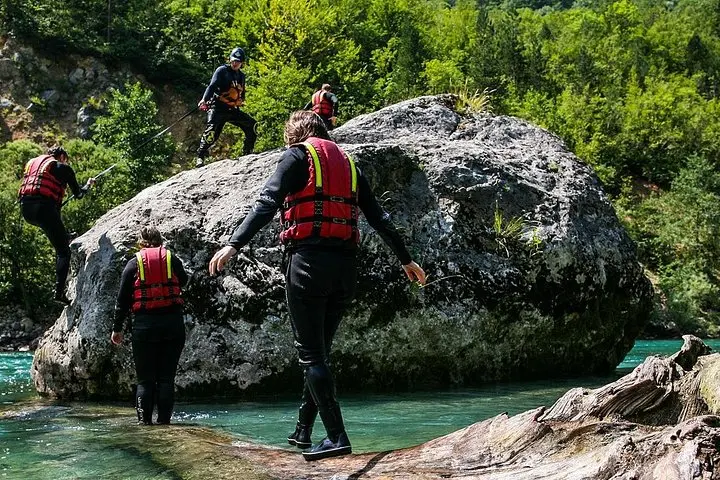
The descent moves quickly from Class II riffles to III and IV rapids depending on snowmelt and rainfall. Guides stop halfway off a shale bench for photos and a snack, an opportunity to jump into green water and feel the current push you like a careful but insistent hand. At Grab there’s a sandy beach and a scarp used for jumps; after gear is rinsed and stowed, lunch arrives—local preparations cooked on coals, thick bread, grilled meat and a simple salad that tastes of sun and river salt.
Practical edge: this is a guided, safety-first trip. Organizers provide neoprene suits, boots, helmets and life jackets and run a short briefing before launch. You should be comfortable in moving water and able to follow paddle commands; the tour is labeled for travelers with moderate fitness. The full program takes about two to three hours on the water and includes transport from Camp Grab back to the meeting point. Avoid if you have serious back or heart issues or if pregnant—guides will refuse participation for safety.
Plan for sun and spray: quick-dry layers, a light wind shell, and a small dry bag for a phone if you’re bringing one. Morning launches are cooler, with crisper water and clearer light for photos; afternoons carry warmer air and busier beaches. Book in advance during high season—this run is popular and shared rafts are limited to small groups. The Tara will test you, coax you, and then reward you with a glassy eddy and a simple, unforgettable lunch on its banks.
The run covers about 7km and most groups spend roughly 2–3 hours on the water, including a mid-run break for swimming and snacks.
Rapids range from Class II to IV depending on season and flow—spring melt raises difficulty, while late summer tends to be milder.
No previous experience is required; guides give a safety briefing and training before launch, though you should be comfortable in moving water and able to follow commands.
Organizers supply neoprene suits, boots, helmets and life jackets; bring quick-dry clothes, water shoes, sunscreen and a small dry bag for valuables.
Age restrictions can vary—confirm with the operator, but families with older children who can swim and follow instructions are often welcome on shared rafts.
Trips proceed in light rain; operators monitor river conditions and will cancel or reschedule if flows are unsafe—cancel at least 24 hours for full refund according to policy.
Camp Grab operates guided outdoor trips and adventures with an emphasis on safety, stewardship, and memorable experiences.
The river meets you first: a hard, bright line cutting through limestone walls, then a voice—Tara—pulling at the raft with curious, playful surges. At Camp Grab you strip off the stiffness of travel and slide into neoprene; the guides talk quietly about currents and eddies while the canyon opens in a succession of green and gray. Within minutes the boat tips and the rapids begin—Celije, Borovi, Varda—each name a small challenge, each drop a breath held and then released.
The river meets you first: a hard, bright line cutting through limestone walls, then a voice—Tara—pulling at the raft with curious, playful surges. At Camp Grab you strip off the stiffness of travel and slide into neoprene; the guides talk quietly about currents and eddies while the canyon opens in a succession of green and gray. Within minutes the boat tips and the rapids begin—Celije, Borovi, Varda—each name a small challenge, each drop a breath held and then released.
This 7km run on the Tara is short by canyon standards but intense in character. The channel here marks the edge of Durmitor’s geology: ancient limestone carved by glacial melt and relentless water pressure into vertical cliffs and sculpted pools. The canyon walls remember Ottoman trade routes and local herding paths; in summer, you’ll spot stone pile markers and occasional shepherd huts perched above the river. Šćepan Polje and the nearby villages have always been places of crossing—between river and plateau, between Montenegro and neighboring Bosnia—so the raft sits in a landscape shaped by both geology and human traffic.
The descent moves quickly from Class II riffles to III and IV rapids depending on snowmelt and rainfall. Guides stop halfway off a shale bench for photos and a snack, an opportunity to jump into green water and feel the current push you like a careful but insistent hand. At Grab there’s a sandy beach and a scarp used for jumps; after gear is rinsed and stowed, lunch arrives—local preparations cooked on coals, thick bread, grilled meat and a simple salad that tastes of sun and river salt.
Practical edge: this is a guided, safety-first trip. Organizers provide neoprene suits, boots, helmets and life jackets and run a short briefing before launch. You should be comfortable in moving water and able to follow paddle commands; the tour is labeled for travelers with moderate fitness. The full program takes about two to three hours on the water and includes transport from Camp Grab back to the meeting point. Avoid if you have serious back or heart issues or if pregnant—guides will refuse participation for safety.
Plan for sun and spray: quick-dry layers, a light wind shell, and a small dry bag for a phone if you’re bringing one. Morning launches are cooler, with crisper water and clearer light for photos; afternoons carry warmer air and busier beaches. Book in advance during high season—this run is popular and shared rafts are limited to small groups. The Tara will test you, coax you, and then reward you with a glassy eddy and a simple, unforgettable lunch on its banks.