THE ADVENTURE COLLECTIVE® · Independent discovery and booking for outdoor travel

Charge through narrow channels and calm pools on a guided rafting run that links the Hayakawa and Fuji rivers, finishing with a restorative onsen soak at Shimobe. Two hours on the water, full gear provided, and an immersive slice of central Japan’s river culture.
Charge through narrow channels and calm pools on a guided rafting run that links the Hayakawa and Fuji rivers, finishing with a restorative onsen soak at Shimobe. Two hours on the water, full gear provided, and an immersive slice of central Japan’s river culture.
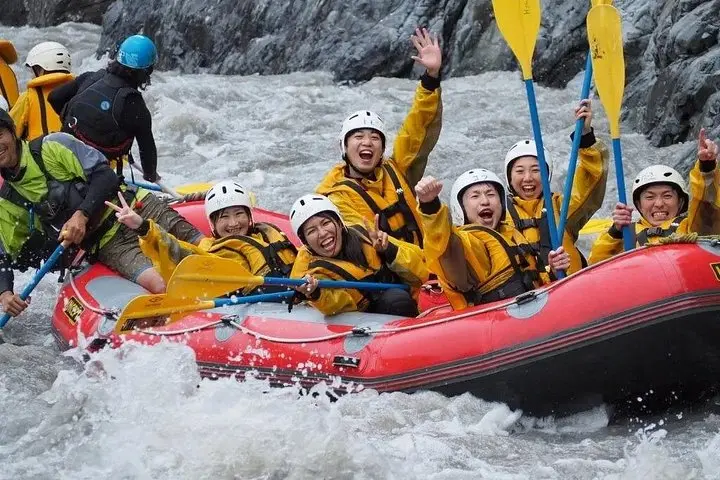
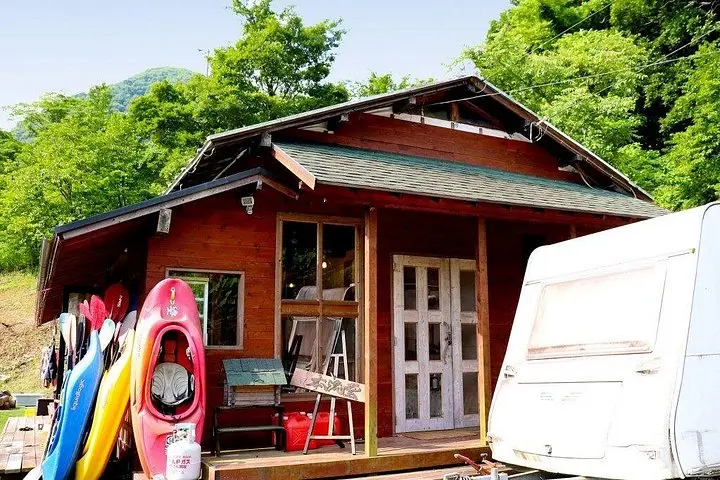
Dawn cuts across the river valley in a flat, cold light; the Fuji and Hayakawa rush at different voices, one deep and steady, the other quick and chattered. You meet at the Honryudo base, swap boots for river shoes and listen while the guide outlines lines and commands. In the boat the river’s personality takes over—eddies toy with the bow, currents push you through narrow channels, and the surrounding slopes—steep, volcanic and folded—frame the run.
Verified experiences and guided adventures in the surrounding area.
Operated by 株式会社Japanticket · Minobu, Yamanashi Prefecture
Dawn cuts across the river valley in a flat, cold light; the Fuji and Hayakawa rush at different voices, one deep and steady, the other quick and chattered. You meet at the Honryudo base, swap boots for river shoes and listen while the guide outlines lines and commands. In the boat the river’s personality takes over—eddies toy with the bow, currents push you through narrow channels, and the surrounding slopes—steep, volcanic and folded—frame the run.
These rivers run through a landscape shaped by volcanic uplift and heavy seasonal rains. The Fuji River (Fujikawa) is long and fast, historically a key transport corridor and one of Japan’s swiftest waterways; the Hayakawa threads Hakone’s lower valleys and has long supported local mills and hot-spring culture. Shimobe Onsen at the day’s end continues a regional ritual: hot baths to reset muscles.
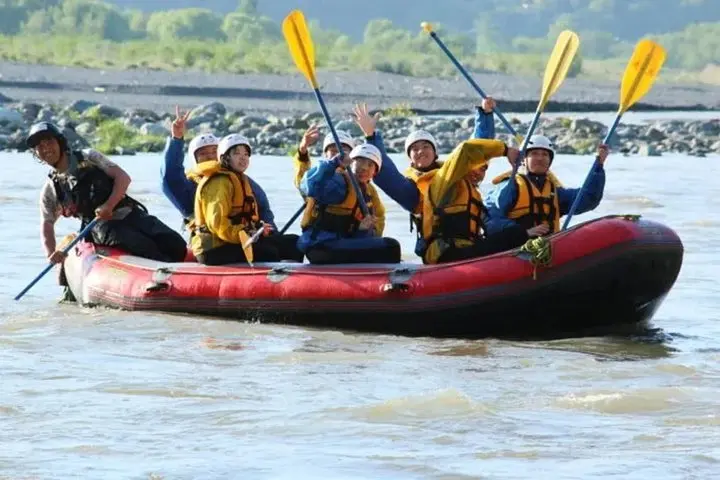
Expect two hours on the water, guided rafts with supplied helmets and PFDs, and terrain that moves between calm pools and short, punchy rapids. The trip’s rhythm alternates instruction and surges; nature feels deliberate rather than theatrical. Culturally, you’ll pass river terraces and small towns where timber and rice fields meet onsen hospitality.
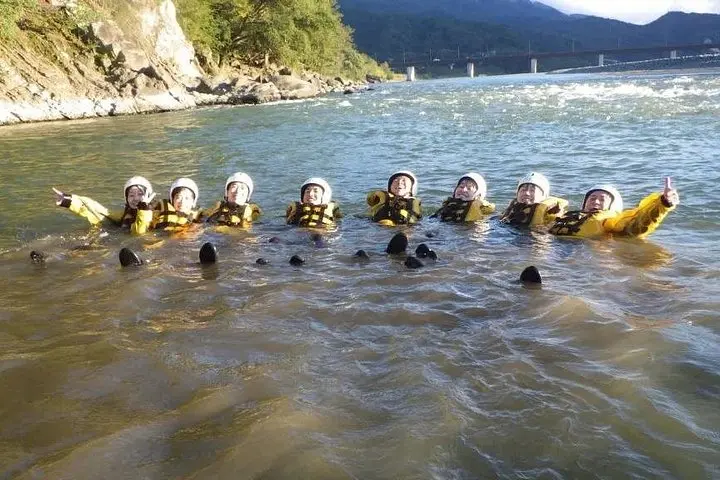
Practical notes: bring shoes that stay on, a lightweight waterproof layer, and a filled water bottle. Be ready to swim short distances and follow the guide’s safety calls. Allow extra time for the post-run changing and the complimentary Shimobe hotel bath—an efficient reward for wet and cold muscles. This is a hands-on, sensory day on two of central Japan’s distinctive rivers.
The tour includes guide fees, helmets, life jackets, wetsuit/top rental if needed, insurance, and a one-day hotel bath at Shimobe Hotel.
No; the trip is guided and suitable for first-timers with moderate fitness, but participants should be comfortable in moving water.
Specific limits can vary by operator—confirm when booking; generally minors must be accompanied and very young children may not be permitted.
All sales are final for this offering; there is no refund for cancellations, so confirm plans carefully before booking.
株式会社Japanticket operates guided outdoor trips and adventures with an emphasis on safety, stewardship, and memorable experiences.
Dawn cuts across the river valley in a flat, cold light; the Fuji and Hayakawa rush at different voices, one deep and steady, the other quick and chattered. You meet at the Honryudo base, swap boots for river shoes and listen while the guide outlines lines and commands. In the boat the river’s personality takes over—eddies toy with the bow, currents push you through narrow channels, and the surrounding slopes—steep, volcanic and folded—frame the run.
Dawn cuts across the river valley in a flat, cold light; the Fuji and Hayakawa rush at different voices, one deep and steady, the other quick and chattered. You meet at the Honryudo base, swap boots for river shoes and listen while the guide outlines lines and commands. In the boat the river’s personality takes over—eddies toy with the bow, currents push you through narrow channels, and the surrounding slopes—steep, volcanic and folded—frame the run.
These rivers run through a landscape shaped by volcanic uplift and heavy seasonal rains. The Fuji River (Fujikawa) is long and fast, historically a key transport corridor and one of Japan’s swiftest waterways; the Hayakawa threads Hakone’s lower valleys and has long supported local mills and hot-spring culture. Shimobe Onsen at the day’s end continues a regional ritual: hot baths to reset muscles.
Expect two hours on the water, guided rafts with supplied helmets and PFDs, and terrain that moves between calm pools and short, punchy rapids. The trip’s rhythm alternates instruction and surges; nature feels deliberate rather than theatrical. Culturally, you’ll pass river terraces and small towns where timber and rice fields meet onsen hospitality.
Practical notes: bring shoes that stay on, a lightweight waterproof layer, and a filled water bottle. Be ready to swim short distances and follow the guide’s safety calls. Allow extra time for the post-run changing and the complimentary Shimobe hotel bath—an efficient reward for wet and cold muscles. This is a hands-on, sensory day on two of central Japan’s distinctive rivers.