THE ADVENTURE COLLECTIVE® · Independent discovery and booking for outdoor travel

Run the wild Manso River from Bariloche to the Chilean border—an all-day whitewater route through narrow canyons, volcanic rock, and glacial valleys. Read what to expect, required gear, and seasonal tips to plan the trip safely.
Run the wild Manso River from Bariloche to the Chilean border—an all-day whitewater route through narrow canyons, volcanic rock, and glacial valleys. Read what to expect, required gear, and seasonal tips to plan the trip safely.
Morning light hits the Andes and the Manso River answers—cold, forceful, daring you downstream. Participants meet in San Carlos de Bariloche and take Route 40 toward Nahuel Huapi National Park, boarding rafts where canyon walls narrow and water turns urgent. The run threads named rapids—Cajón de Terciopelo, Garganta Profunda, Éxtasis—each a distinct pulse of current and rock that punctures the forested valley.
Verified experiences and guided adventures in the surrounding area.
Operated by Tangol · San Carlos de Bariloche, Río Negro
Morning light hits the Andes and the Manso River answers—cold, forceful, daring you downstream. Participants meet in San Carlos de Bariloche and take Route 40 toward Nahuel Huapi National Park, boarding rafts where canyon walls narrow and water turns urgent. The run threads named rapids—Cajón de Terciopelo, Garganta Profunda, Éxtasis—each a distinct pulse of current and rock that punctures the forested valley.
This river follows pathways carved by glacial ice and volcanic uplift; the gorge exposes banded volcanic rocks and glacially scoured granite that tell of repeated ice ages and recent Andean uplift. The valley sits within the region managed as Nahuel Huapi, Argentina’s oldest national park (est. 1934), with Mapuche history visible in place names and local ranching traditions along the river banks.
Expect a full, active day: roughly 8–10 hours including transport from Bariloche, safety briefings, and the downstream section that ends near the international border—where land access completes the loop. Guides provide PFDs, a safety kayak, and river clothing; a current passport is required for border access. The season runs November–April when flows are suitable and weather is mild; high snowmelt in late spring can make rapids bigger, while late summer is warmer and more comfortable.
Practically, paddle technique is simple but physical: plan for intermittent high-intensity bursts, swims in cold water if you capsize, and a short return hike at the endpoint. Bring water-resistant footwear, layered quick-dry clothing, sun protection, and a waterproof bag for documents. Respect park rules, keep distance from wildlife, and follow guide instructions—this stretch of the Manso rewards boldness but demands preparation.
Expect 8–10 hours total including pickup in Bariloche, river time, safety briefings, and return transport.
Yes—a current passport is required the day of travel because the route reaches the international border area.
Minimum age is 14; travelers should have at least moderate fitness and be comfortable with prolonged physical activity and cold water immersion.
Operators supply personal flotation devices, helmets, a safety kayak escort, and neoprene river clothing; guides run a safety briefing before launching.
Tangol operates guided outdoor trips and adventures with an emphasis on safety, stewardship, and memorable experiences.
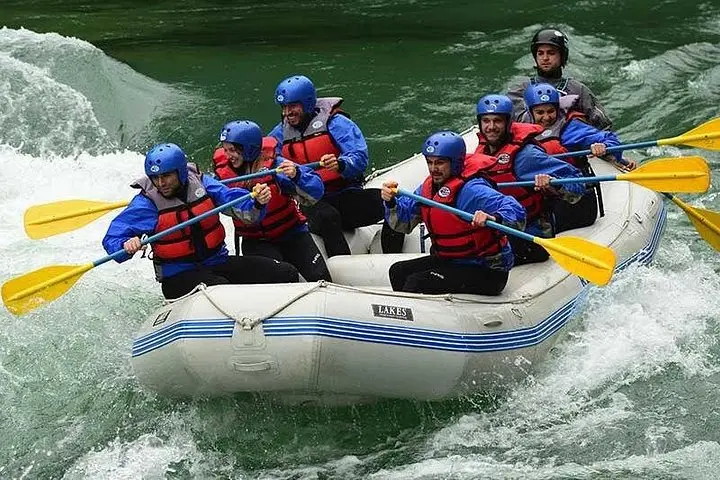
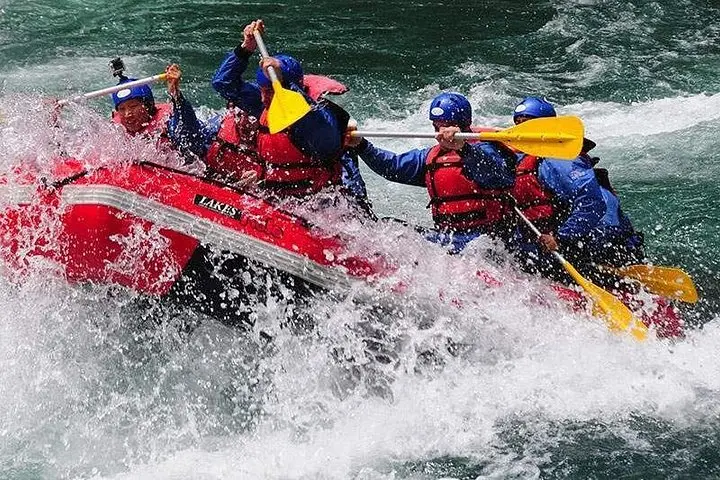
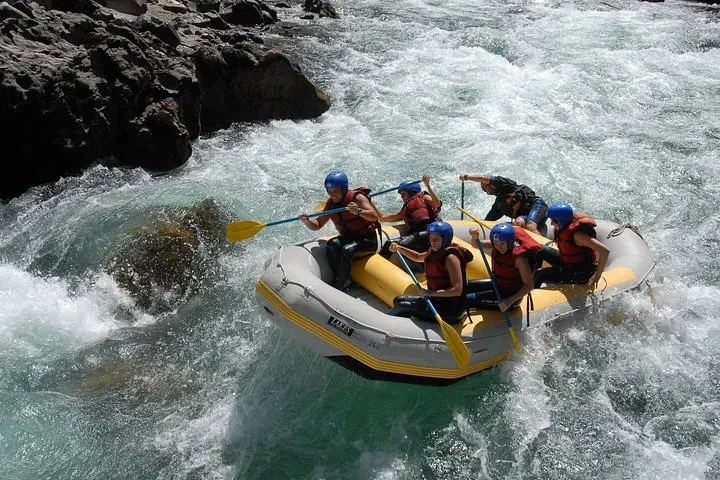
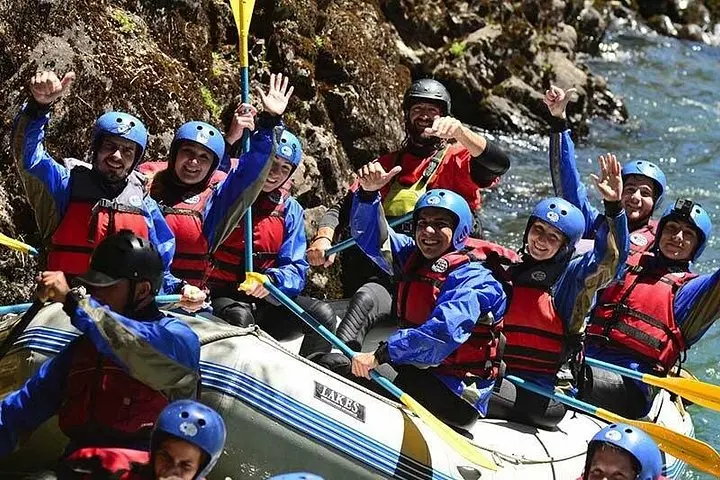
Morning light hits the Andes and the Manso River answers—cold, forceful, daring you downstream. Participants meet in San Carlos de Bariloche and take Route 40 toward Nahuel Huapi National Park, boarding rafts where canyon walls narrow and water turns urgent. The run threads named rapids—Cajón de Terciopelo, Garganta Profunda, Éxtasis—each a distinct pulse of current and rock that punctures the forested valley.
Morning light hits the Andes and the Manso River answers—cold, forceful, daring you downstream. Participants meet in San Carlos de Bariloche and take Route 40 toward Nahuel Huapi National Park, boarding rafts where canyon walls narrow and water turns urgent. The run threads named rapids—Cajón de Terciopelo, Garganta Profunda, Éxtasis—each a distinct pulse of current and rock that punctures the forested valley.
This river follows pathways carved by glacial ice and volcanic uplift; the gorge exposes banded volcanic rocks and glacially scoured granite that tell of repeated ice ages and recent Andean uplift. The valley sits within the region managed as Nahuel Huapi, Argentina’s oldest national park (est. 1934), with Mapuche history visible in place names and local ranching traditions along the river banks.
Expect a full, active day: roughly 8–10 hours including transport from Bariloche, safety briefings, and the downstream section that ends near the international border—where land access completes the loop. Guides provide PFDs, a safety kayak, and river clothing; a current passport is required for border access. The season runs November–April when flows are suitable and weather is mild; high snowmelt in late spring can make rapids bigger, while late summer is warmer and more comfortable.
Practically, paddle technique is simple but physical: plan for intermittent high-intensity bursts, swims in cold water if you capsize, and a short return hike at the endpoint. Bring water-resistant footwear, layered quick-dry clothing, sun protection, and a waterproof bag for documents. Respect park rules, keep distance from wildlife, and follow guide instructions—this stretch of the Manso rewards boldness but demands preparation.