THE ADVENTURE COLLECTIVE® · Independent discovery and booking for outdoor travel

Plunge through class III–IV rapids framed by Osorno Volcano and glacier-fed water on a half-day rafting trip from Puerto Varas. Expect 1.5 hours on the river, complete gear, a guide-led safety briefing, and a satisfying local snack afterward.
Plunge through class III–IV rapids framed by Osorno Volcano and glacier-fed water on a half-day rafting trip from Puerto Varas. Expect 1.5 hours on the river, complete gear, a guide-led safety briefing, and a satisfying local snack afterward.
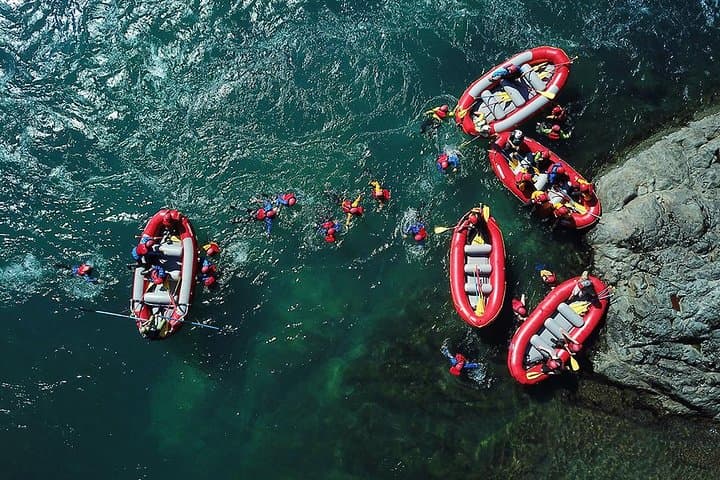
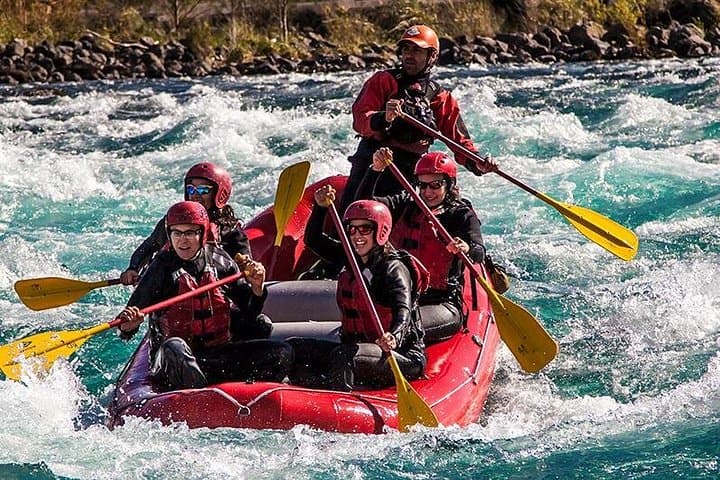
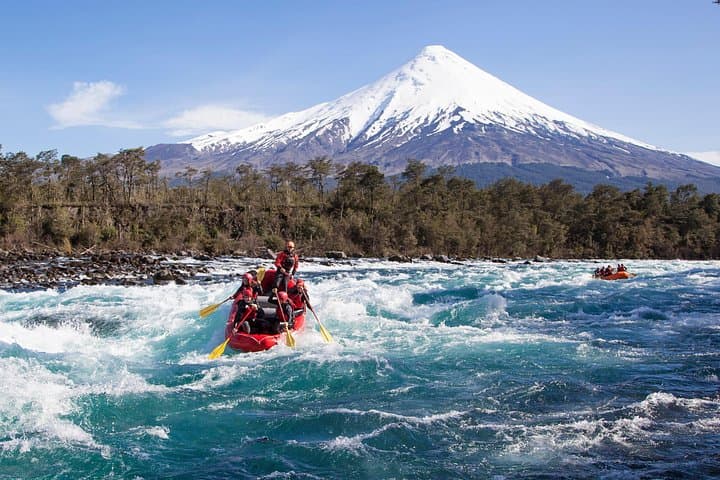
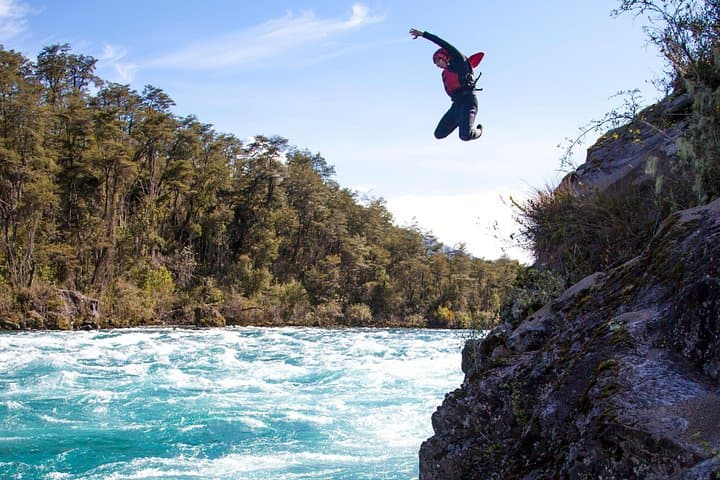
The raft slides from the gravel bar and the river takes the lead. Spray flashes like glass in the low southern sun, and the boat lunges into churning emerald water that has been carved from volcanic rock. For an hour and a half you read the river’s moods—eddy, boil, tongue of foam—while the Osorno Volcano watches from across the valley, its snowcap a quiet counterweight to the river’s roar.
Verified experiences and guided adventures in the surrounding area.
Operated by Ko'KayaK · Puerto Varas, Los Lagos Region
The raft slides from the gravel bar and the river takes the lead. Spray flashes like glass in the low southern sun, and the boat lunges into churning emerald water that has been carved from volcanic rock. For an hour and a half you read the river’s moods—eddy, boil, tongue of foam—while the Osorno Volcano watches from across the valley, its snowcap a quiet counterweight to the river’s roar.
This is the Petrohué River: a short, swift outlet from Lake Todos los Santos that cuts through the black-and-green basalt of Vicente Pérez Rosales National Park. The class III–IV rapids here are compact but honest, shaped by glaciers and eruptions over millennia. Indigenous Mapuche and Huilliche people have long regarded the river corridor as a travel and trade route between lakes and the Pacific. In the 20th century, the national park preserved the area’s striking contrasts—turquoise water, volcanic highlands, and temperate rainforest fringes—protecting both scenery and salmonid runs.
Culturally the valley is part of Chile’s Lake District, where German settlers mixed with native traditions, and towns like Puerto Varas still celebrate that layered heritage in architecture and cuisine. Locally grown raspberries, smoked trout, and the crisp regional beer served after the run are small but telling ways the landscape feeds daily life.
Practical side: expect about five hours total for the experience—door-to-door pickup from Puerto Varas, equipment fitting, a safety briefing, roughly 90 minutes on the water, and time for a snack afterward. Guides provide complete rafting gear and wetsuits; the water stays cold year-round, fed from alpine lakes and glacier melt. Rapids are short and powerful—good paddling technique helps, but guides do the heavy steering. The operator marks this trip as suitable for a wide range of fitness levels, though participants should be comfortable swimming and following guide commands.
Timing matters. Morning launches often mean less wind on the lake and crisper light for photos; afternoons can be warmer but busier. Wear synthetic layers, bring a towel and a dry change of clothes, and stow phones in a waterproof case or leave them behind—the river will demand attention. Hydrate beforehand and eat a light meal; the snack and cold beer after the run feel earned.
For travelers staying in Puerto Varas, the drive to the launch is short and scenic. Combine the rafting with a visit to Petrohué Falls or a boat trip on Lake Todos los Santos to round out the day. Above all, respect the river’s power: it gives the rush, but it deserves the caution.
The overall activity runs about five hours including pickups, briefing, and snacks; expect around 90 minutes of active rafting on the Petrohué River.
The rapids are class III–IV—challenging but suitable for many beginners when guided; you should be comfortable swimming and able to follow guide instructions.
Yes—guides supply complete rafting gear including helmets, life jackets, and wetsuits; water shoes and dry bags are not always provided.
The operator typically accepts a wide range of ages but excludes participants with serious heart problems, spinal injuries, or pregnancy; check booking questions for age-band requirements.
Most operators include private pickup from main hotels in Puerto Varas and on the road to Ensenada; confirm your pickup point when booking.
For a full refund you must cancel at least 24 hours before the scheduled departure; there may be no refund within 24 hours and trips can be canceled if minimum travelers aren't met.
Ko'KayaK operates guided outdoor trips and adventures with an emphasis on safety, stewardship, and memorable experiences.
The raft slides from the gravel bar and the river takes the lead. Spray flashes like glass in the low southern sun, and the boat lunges into churning emerald water that has been carved from volcanic rock. For an hour and a half you read the river’s moods—eddy, boil, tongue of foam—while the Osorno Volcano watches from across the valley, its snowcap a quiet counterweight to the river’s roar.
The raft slides from the gravel bar and the river takes the lead. Spray flashes like glass in the low southern sun, and the boat lunges into churning emerald water that has been carved from volcanic rock. For an hour and a half you read the river’s moods—eddy, boil, tongue of foam—while the Osorno Volcano watches from across the valley, its snowcap a quiet counterweight to the river’s roar.
This is the Petrohué River: a short, swift outlet from Lake Todos los Santos that cuts through the black-and-green basalt of Vicente Pérez Rosales National Park. The class III–IV rapids here are compact but honest, shaped by glaciers and eruptions over millennia. Indigenous Mapuche and Huilliche people have long regarded the river corridor as a travel and trade route between lakes and the Pacific. In the 20th century, the national park preserved the area’s striking contrasts—turquoise water, volcanic highlands, and temperate rainforest fringes—protecting both scenery and salmonid runs.
Culturally the valley is part of Chile’s Lake District, where German settlers mixed with native traditions, and towns like Puerto Varas still celebrate that layered heritage in architecture and cuisine. Locally grown raspberries, smoked trout, and the crisp regional beer served after the run are small but telling ways the landscape feeds daily life.
Practical side: expect about five hours total for the experience—door-to-door pickup from Puerto Varas, equipment fitting, a safety briefing, roughly 90 minutes on the water, and time for a snack afterward. Guides provide complete rafting gear and wetsuits; the water stays cold year-round, fed from alpine lakes and glacier melt. Rapids are short and powerful—good paddling technique helps, but guides do the heavy steering. The operator marks this trip as suitable for a wide range of fitness levels, though participants should be comfortable swimming and following guide commands.
Timing matters. Morning launches often mean less wind on the lake and crisper light for photos; afternoons can be warmer but busier. Wear synthetic layers, bring a towel and a dry change of clothes, and stow phones in a waterproof case or leave them behind—the river will demand attention. Hydrate beforehand and eat a light meal; the snack and cold beer after the run feel earned.
For travelers staying in Puerto Varas, the drive to the launch is short and scenic. Combine the rafting with a visit to Petrohué Falls or a boat trip on Lake Todos los Santos to round out the day. Above all, respect the river’s power: it gives the rush, but it deserves the caution.