THE ADVENTURE COLLECTIVE® · Independent discovery and booking for outdoor travel

Put your paddle down and let the Valldøla do the guiding: a half-day Class-3 run that mixes playful rapids with a riverside lunch of local svele and strawberries. It’s a compact, high-energy way to experience Reinheimen’s mountain runoff and Valldal’s agricultural valley.
Put your paddle down and let the Valldøla do the guiding: a half-day Class-3 run that mixes playful rapids with a riverside lunch of local svele and strawberries. It’s a compact, high-energy way to experience Reinheimen’s mountain runoff and Valldal’s agricultural valley.
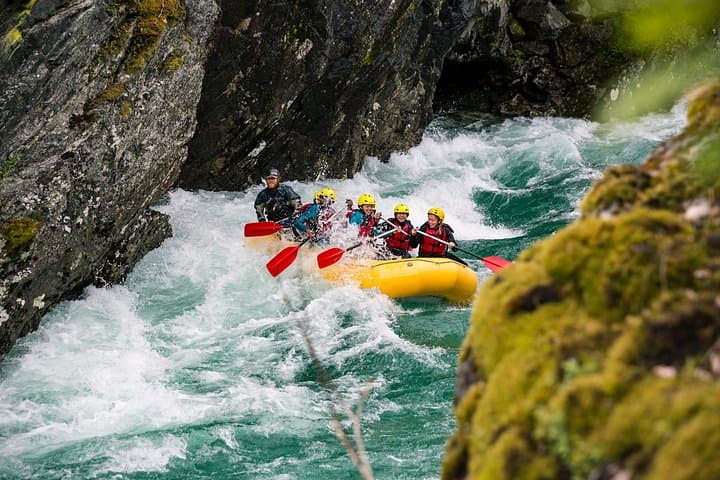
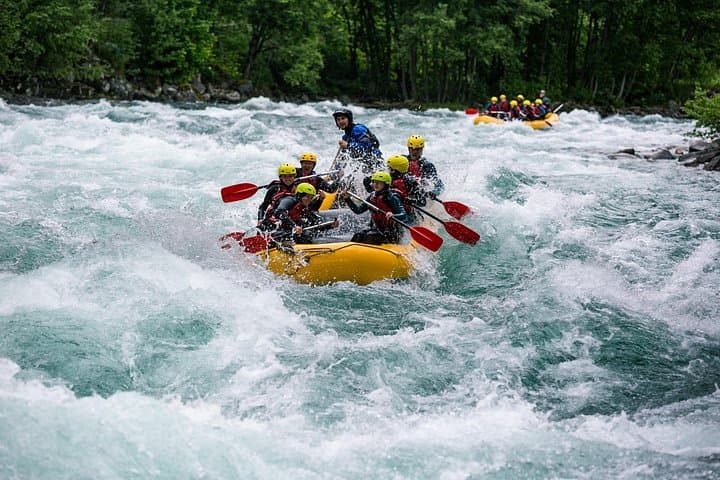
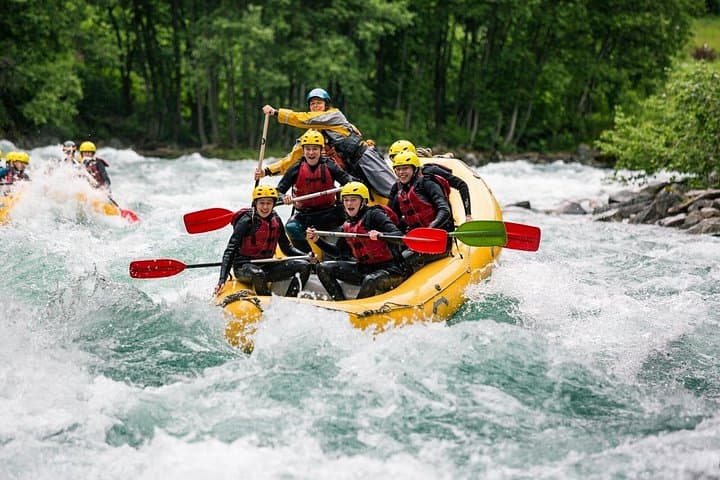
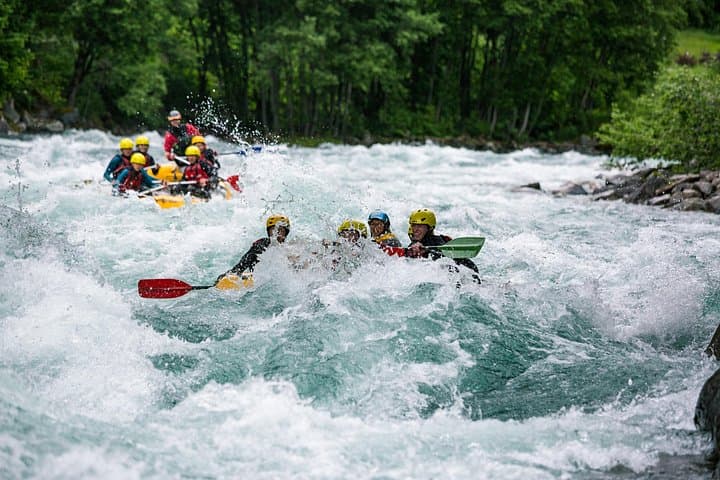
A spray of mountain water hits your face before the oars even touch the current. You stand on a stony bank where the Valldøla gathers itself out of Reinheimen’s high ridges and, for a moment, the river seems to size you up—cold, clear, and eager. Guides check helmets and clip life jackets; the group practices commands, then the first raft slips into the channel and the day accelerates.
Verified experiences and guided adventures in the surrounding area.
Operated by Uteguiden.com - Adventure hub · Valldal, Møre og Romsdal
A spray of mountain water hits your face before the oars even touch the current. You stand on a stony bank where the Valldøla gathers itself out of Reinheimen’s high ridges and, for a moment, the river seems to size you up—cold, clear, and eager. Guides check helmets and clip life jackets; the group practices commands, then the first raft slips into the channel and the day accelerates.
This is a classic West Norwegian run: 11 km of glacial-fed water carving a narrow valley between jagged mountains and low, sun-warmed fields. The lower Valldøla, where this trip runs, is graded Class 3—enough whitewater to make every paddle stroke matter, but with calmer pools that let swimmers float and listen to the river’s voice. Geologically, the corridor was sculpted by ice and meltwater; the river’s gravel bars and craggy banks reveal layers of moraine and quick-draining soils that local farmers have used for generations to grow strawberries and hay.
Valldal itself has a working-rural feel. The village lies at the fjord’s head and has long been a supply point for mountain shepherding and small-scale agriculture. On the trip, guides serve svele—thick pancake-like cakes—with local strawberries and cream, a regional nod to the berry harvest that brightens the valley each summer.
Practicalities are straightforward. The operator provides wetsuit, neoprene shoes, helmet and life jacket; private transfer from the office to put-in is included. After a short safety briefing and flat-water drills, the route opens into a series of playful rapids, then a quieter middle section perfect for a supervised swim, and finally a steeper, faster finale. Group size varies but shared tours cap around two dozen; expect a half-day commitment of roughly four hours door-to-door.
Planning tips: wear a thin base layer under the wetsuit, bring a warm towel and a dry change of clothes, and lock away valuables before you arrive—the river takes loose items quickly. This trip is not recommended for pregnant travelers or people with serious spinal or cardiovascular conditions; a moderate fitness level and basic swimming comfort are required. Weather and water levels matter—operators reserve the right to cancel for safety, and flows are highest in late spring melt and most mellow in late summer.
For travelers who want a local finish, linger at the lunch takeout bank after the svele: the view back upriver combines rocky channels, glints of water, and mountain walls—an uncomplicated taste of Norway’s rough, shifting landscape.
The guided lower Valldøla section is roughly 11 km and the full experience, including briefing and transfers, runs about four hours.
Yes—swimming happens in supervised, calmer sections with guides present and life jackets on; water is cold, so a wetsuit is used.
The river is graded Class 3 in the lower section: playful but active rapids mixed with calmer stretches suitable for guided groups.
Policies vary—check with the operator; participants typically need to meet minimum age and swimming comfort requirements and fit provided safety gear.
Trips may be canceled for safety; operators usually offer full refunds if canceled at least 24 hours prior or by the company due to conditions.
Leave electronics behind or use a small waterproof case or dry bag; unsecured devices can be lost quickly in rapids.
Uteguiden.com - Adventure hub operates guided outdoor trips and adventures with an emphasis on safety, stewardship, and memorable experiences.
A spray of mountain water hits your face before the oars even touch the current. You stand on a stony bank where the Valldøla gathers itself out of Reinheimen’s high ridges and, for a moment, the river seems to size you up—cold, clear, and eager. Guides check helmets and clip life jackets; the group practices commands, then the first raft slips into the channel and the day accelerates.
A spray of mountain water hits your face before the oars even touch the current. You stand on a stony bank where the Valldøla gathers itself out of Reinheimen’s high ridges and, for a moment, the river seems to size you up—cold, clear, and eager. Guides check helmets and clip life jackets; the group practices commands, then the first raft slips into the channel and the day accelerates.
This is a classic West Norwegian run: 11 km of glacial-fed water carving a narrow valley between jagged mountains and low, sun-warmed fields. The lower Valldøla, where this trip runs, is graded Class 3—enough whitewater to make every paddle stroke matter, but with calmer pools that let swimmers float and listen to the river’s voice. Geologically, the corridor was sculpted by ice and meltwater; the river’s gravel bars and craggy banks reveal layers of moraine and quick-draining soils that local farmers have used for generations to grow strawberries and hay.
Valldal itself has a working-rural feel. The village lies at the fjord’s head and has long been a supply point for mountain shepherding and small-scale agriculture. On the trip, guides serve svele—thick pancake-like cakes—with local strawberries and cream, a regional nod to the berry harvest that brightens the valley each summer.
Practicalities are straightforward. The operator provides wetsuit, neoprene shoes, helmet and life jacket; private transfer from the office to put-in is included. After a short safety briefing and flat-water drills, the route opens into a series of playful rapids, then a quieter middle section perfect for a supervised swim, and finally a steeper, faster finale. Group size varies but shared tours cap around two dozen; expect a half-day commitment of roughly four hours door-to-door.
Planning tips: wear a thin base layer under the wetsuit, bring a warm towel and a dry change of clothes, and lock away valuables before you arrive—the river takes loose items quickly. This trip is not recommended for pregnant travelers or people with serious spinal or cardiovascular conditions; a moderate fitness level and basic swimming comfort are required. Weather and water levels matter—operators reserve the right to cancel for safety, and flows are highest in late spring melt and most mellow in late summer.
For travelers who want a local finish, linger at the lunch takeout bank after the svele: the view back upriver combines rocky channels, glints of water, and mountain walls—an uncomplicated taste of Norway’s rough, shifting landscape.