THE ADVENTURE COLLECTIVE® · Independent discovery and booking for outdoor travel

Slow-moving sloths in the rainforest canopy meet hands-on coffee culture on a compact, two-hour tour near La Fortuna. Expect close wildlife viewing with scopes, short rainforest trails, and a genuine farm visit that traces coffee from bean to cup.
Slow-moving sloths in the rainforest canopy meet hands-on coffee culture on a compact, two-hour tour near La Fortuna. Expect close wildlife viewing with scopes, short rainforest trails, and a genuine farm visit that traces coffee from bean to cup.
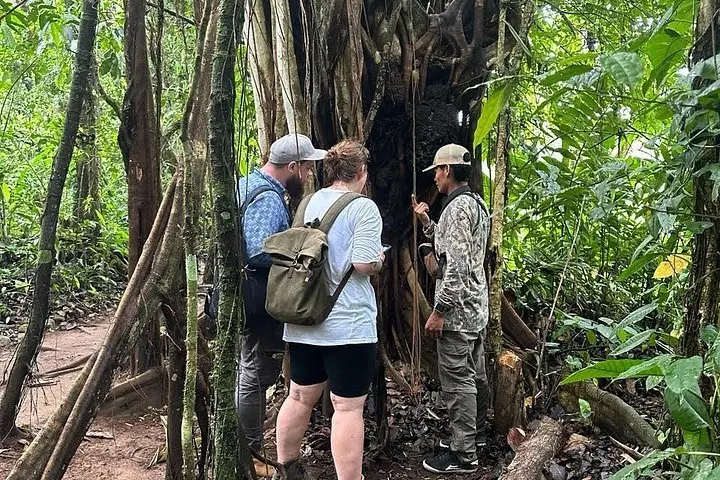
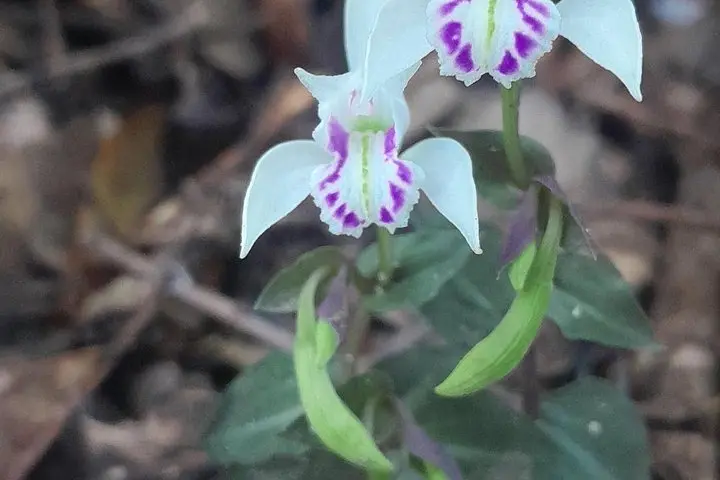
You step from the lodge onto a narrow dirt track and the rainforest closes around you—warm, breathing, alive. A naturalist lifts a spotting scope; leaves stir and a slow, pale face peers from a tangle of branches. For an hour the trees insist on their own tempo: sloths unmoved by human schedules, birds calling like punctuation, and volcanic ridgelines framing the haze beyond.
Verified experiences and guided adventures in the surrounding area.
Operated by Tropicalia Tours Costa Rica · La Fortuna, Alajuela
You step from the lodge onto a narrow dirt track and the rainforest closes around you—warm, breathing, alive. A naturalist lifts a spotting scope; leaves stir and a slow, pale face peers from a tangle of branches. For an hour the trees insist on their own tempo: sloths unmoved by human schedules, birds calling like punctuation, and volcanic ridgelines framing the haze beyond.
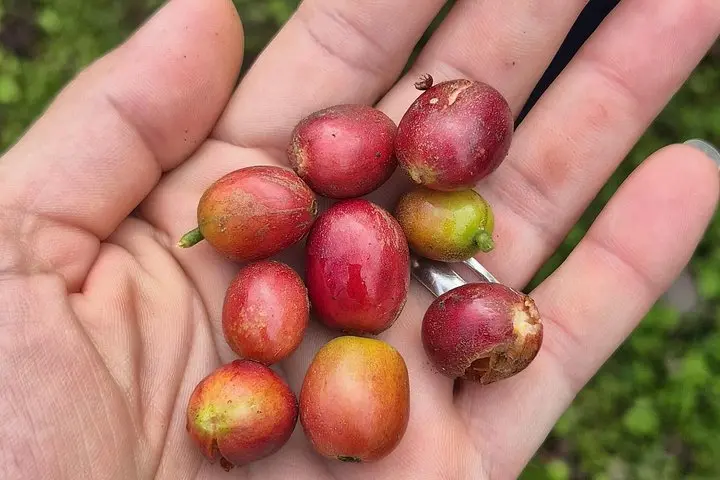
The tour pairs this quiet wildlife window with a short walk across working coffee fields at Bijagua Farm Vida Nueva. Volcanic soils and high humidity made this region ideal for shade-grown coffee since smallholder traditions took root in the 19th and 20th centuries. Geologically, the Arenal area is young—basaltic flows and ash built slopes that keep groundwater and feed lush growth; culturally, coffee remains both crop and craft, processed here in family-run operations.
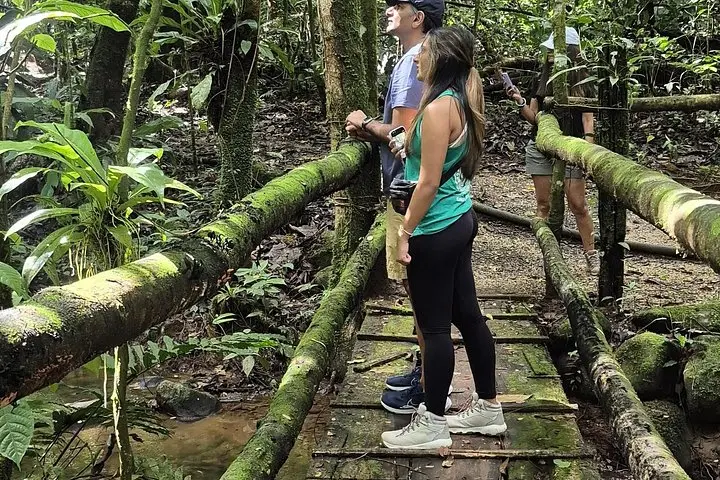
Expect easy, guided trails—mostly flat with roots and occasional muddy patches—focused on observation rather than long-distance hiking. Guides bring scopes, point out sloth behavior, and demonstrate bean-to-cup techniques: harvesting, pulping, drying, roasting and the local roasting customs. Tastings are hands-on and unhurried.
Practical notes: plan for two hours total, bring a light rain jacket, insect repellent, and quiet patience—sloths rarely hurry. Keep distance, avoid flash photography, and support local sustainability by following guide directions. The experience suits travelers seeking calm wildlife encounters framed by working farmland and the low thunder of an active volcanic landscape.
The full experience runs about 2 hours—approximately 60 minutes for the sloth-focused rainforest walk and 60 minutes at the coffee farm.
Yes; the tour is family-friendly and infant seats are available, but expect limited stroller access on narrow, rooty trails.
Yes; the farm visit includes an authentic tasting and demonstrations of bean-to-cup processing methods.
No; for animal welfare and safety, guests must observe at a distance and follow the guide’s directions—no touching or feeding.
Tropicalia Tours Costa Rica operates guided outdoor trips and adventures with an emphasis on safety, stewardship, and memorable experiences.
You step from the lodge onto a narrow dirt track and the rainforest closes around you—warm, breathing, alive. A naturalist lifts a spotting scope; leaves stir and a slow, pale face peers from a tangle of branches. For an hour the trees insist on their own tempo: sloths unmoved by human schedules, birds calling like punctuation, and volcanic ridgelines framing the haze beyond.
You step from the lodge onto a narrow dirt track and the rainforest closes around you—warm, breathing, alive. A naturalist lifts a spotting scope; leaves stir and a slow, pale face peers from a tangle of branches. For an hour the trees insist on their own tempo: sloths unmoved by human schedules, birds calling like punctuation, and volcanic ridgelines framing the haze beyond.
The tour pairs this quiet wildlife window with a short walk across working coffee fields at Bijagua Farm Vida Nueva. Volcanic soils and high humidity made this region ideal for shade-grown coffee since smallholder traditions took root in the 19th and 20th centuries. Geologically, the Arenal area is young—basaltic flows and ash built slopes that keep groundwater and feed lush growth; culturally, coffee remains both crop and craft, processed here in family-run operations.
Expect easy, guided trails—mostly flat with roots and occasional muddy patches—focused on observation rather than long-distance hiking. Guides bring scopes, point out sloth behavior, and demonstrate bean-to-cup techniques: harvesting, pulping, drying, roasting and the local roasting customs. Tastings are hands-on and unhurried.
Practical notes: plan for two hours total, bring a light rain jacket, insect repellent, and quiet patience—sloths rarely hurry. Keep distance, avoid flash photography, and support local sustainability by following guide directions. The experience suits travelers seeking calm wildlife encounters framed by working farmland and the low thunder of an active volcanic landscape.