THE ADVENTURE COLLECTIVE® · Independent discovery and booking for outdoor travel

Float silently beside migrating humpbacks after a rugged 4x4 beach drive from Rainbow Beach. This eco kayak tour to Double Island Point pairs low-impact wildlife viewing with dramatic coloured sand cliffs and protected marine waters.
Float silently beside migrating humpbacks after a rugged 4x4 beach drive from Rainbow Beach. This eco kayak tour to Double Island Point pairs low-impact wildlife viewing with dramatic coloured sand cliffs and protected marine waters.
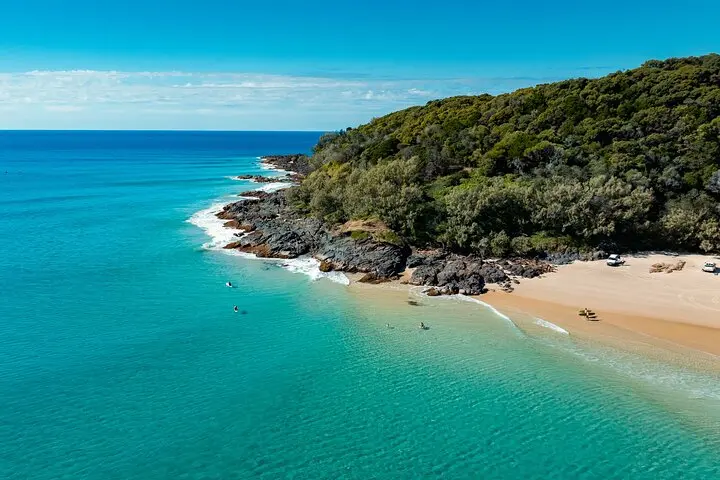
You climb into a canvas-cold wetsuit, the 4x4 grinds onto the hard-packed beach and the ocean stretches like a low, moving plain. Sand cliffs stripe the shoreline in burnt ochres and rusts; the vehicle pushes past dunes and the engine falls away as you swap the beach roar for the thin slap of paddle blades.
Verified experiences and guided adventures in the surrounding area.
Operated by Epic Ocean Adventures Rainbow Beach · Rainbow Beach, Queensland
You climb into a canvas-cold wetsuit, the 4x4 grinds onto the hard-packed beach and the ocean stretches like a low, moving plain. Sand cliffs stripe the shoreline in burnt ochres and rusts; the vehicle pushes past dunes and the engine falls away as you swap the beach roar for the thin slap of paddle blades.
This eco-focused tour runs June–October during humpback migration, offering ocean kayaking off Double Island Point where whales move slowly along the coast. The area sits against the Great Sandy National Park and the protected waters of the Great Sandy Marine Park; the coloured sands are iron-rich layers exposed by wind and waves. The coastline is on the traditional lands of the Gubbi Gubbi (Kabi Kabi) people, and modern operators follow strict guidelines to minimize disturbance to whales, dolphins and turtle nesting sites.
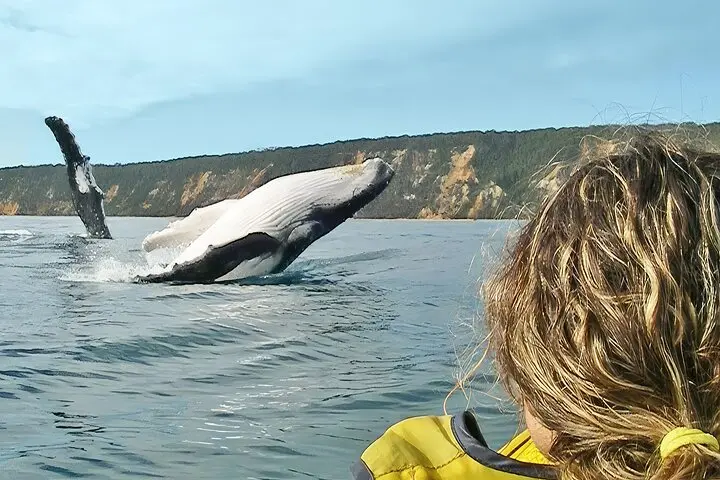
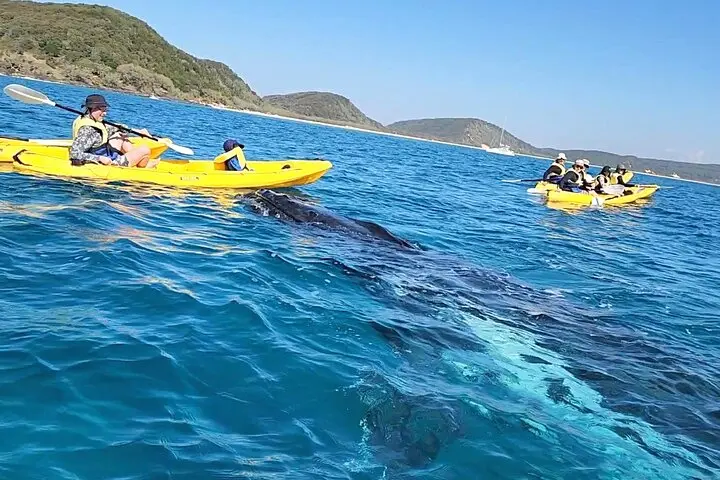
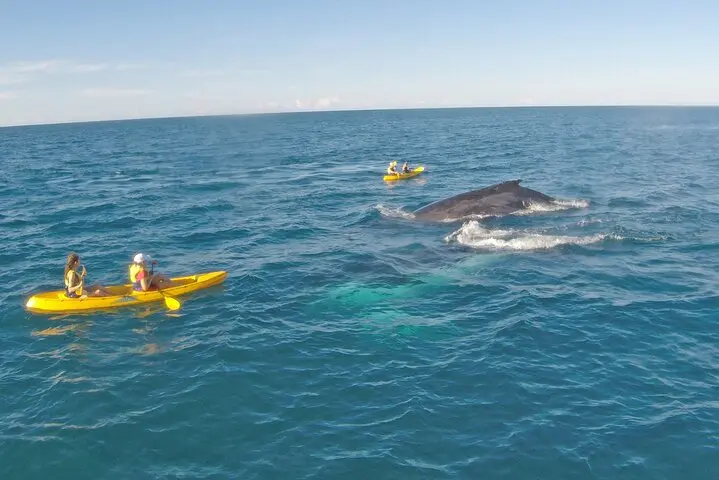
Expect a 4x4 transfer, a safety briefing, and guided paddling from a secluded beach. The kayaks are softboards or sit-on-top designs, chosen to keep noise low so humpbacks may approach on their own terms. Guides watch for blow spouts and tail-slaps; dolphins often thread the group, and rays can be seen in clear, shallow water.
Plan for wind and sun—conditions can change quickly. Hydrate, wear reef-safe sunscreen, shoes for the sand and a light wind layer. If the sea is rough or whale behavior dictates, operators will alter proximity to prioritize animal welfare. The experience is as much about patient observation as it is about paddling: you’re there to witness, not to chase.
The guided kayak tours operate during humpback whale season, typically June through October; outside those months the tour is not offered.
Guides maintain a respectful distance set by marine park rules and animal behavior—sometimes whales approach, sometimes they stay distant; interactions are on the whales’ terms.
No—operators provide a safety briefing and basic instruction; a reasonable level of mobility and comfort on water is required.
Yes—wetsuits or wetsuits/wetshirts and specialised softboards are supplied, though you can wear your own swim layers underneath if preferred.
Epic Ocean Adventures Rainbow Beach operates guided outdoor trips and adventures with an emphasis on safety, stewardship, and memorable experiences.
You climb into a canvas-cold wetsuit, the 4x4 grinds onto the hard-packed beach and the ocean stretches like a low, moving plain. Sand cliffs stripe the shoreline in burnt ochres and rusts; the vehicle pushes past dunes and the engine falls away as you swap the beach roar for the thin slap of paddle blades.
You climb into a canvas-cold wetsuit, the 4x4 grinds onto the hard-packed beach and the ocean stretches like a low, moving plain. Sand cliffs stripe the shoreline in burnt ochres and rusts; the vehicle pushes past dunes and the engine falls away as you swap the beach roar for the thin slap of paddle blades.
This eco-focused tour runs June–October during humpback migration, offering ocean kayaking off Double Island Point where whales move slowly along the coast. The area sits against the Great Sandy National Park and the protected waters of the Great Sandy Marine Park; the coloured sands are iron-rich layers exposed by wind and waves. The coastline is on the traditional lands of the Gubbi Gubbi (Kabi Kabi) people, and modern operators follow strict guidelines to minimize disturbance to whales, dolphins and turtle nesting sites.
Expect a 4x4 transfer, a safety briefing, and guided paddling from a secluded beach. The kayaks are softboards or sit-on-top designs, chosen to keep noise low so humpbacks may approach on their own terms. Guides watch for blow spouts and tail-slaps; dolphins often thread the group, and rays can be seen in clear, shallow water.
Plan for wind and sun—conditions can change quickly. Hydrate, wear reef-safe sunscreen, shoes for the sand and a light wind layer. If the sea is rough or whale behavior dictates, operators will alter proximity to prioritize animal welfare. The experience is as much about patient observation as it is about paddling: you’re there to witness, not to chase.