THE ADVENTURE COLLECTIVE® · Independent discovery and booking for outdoor travel
Spend a long, high-altitude day traveling from Cusco to Peru’s Rainbow Mountain with an easy ascent option by horse or motorcycle. This guided tour balances spectacular geology and local culture with practical support for those managing altitude.
Spend a long, high-altitude day traveling from Cusco to Peru’s Rainbow Mountain with an easy ascent option by horse or motorcycle. This guided tour balances spectacular geology and local culture with practical support for those managing altitude.
At dawn the van eases out of Cusco and climbs into the high puna; air thins, light sharpens, and the Andes unfold in tiers of rust and snow. Travelers step off near 4,400–4,800 m and face a short but steady climb—50 minutes for most—to the viewpoint where the mountain’s bands of ochre, rose and turquoise arc across a serrated ridge.
Verified experiences and guided adventures in the surrounding area.
Operated by TM PERU TRAVEL · Cusco, Cusco
At dawn the van eases out of Cusco and climbs into the high puna; air thins, light sharpens, and the Andes unfold in tiers of rust and snow. Travelers step off near 4,400–4,800 m and face a short but steady climb—50 minutes for most—to the viewpoint where the mountain’s bands of ochre, rose and turquoise arc across a serrated ridge.
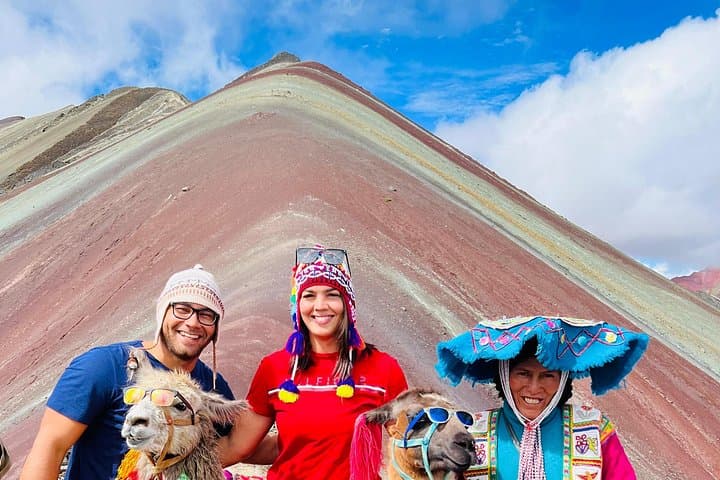
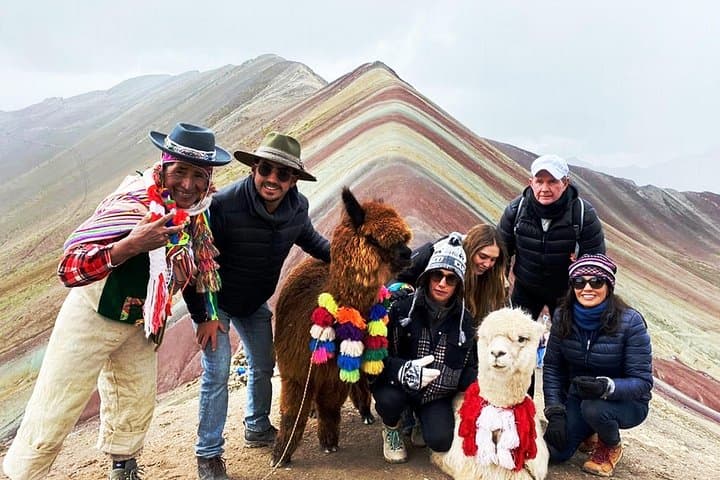
Geology here is straightforward: sedimentary deposits rich in iron, copper and other minerals were uplifted and exposed by glacial erosion, producing the vivid stripes that attract visitors. The area sits in the Ausangate range, a landscape long used and cared for by Quechua-speaking communities whose herds of llamas and alpacas dot the valleys. Local guides typically explain the mountain’s formation, the cultural significance of surrounding ridgelines, and the fragile wetlands and lagoons that support high-Andean birdlife.
Practically, this is a very long day—expect 11–12 hours total including transport, breakfast and lunch. The tour markets an “easy” approach by offering horseback or motorcycle options for the final ascent, which reduces exertion but not altitude exposure. Bring layered clothing, sun protection and extra water; move deliberately and listen to guides about pacing and acclimatization.
On arrival, follow marked paths, stick with the group, and take short breaks to manage breath and heart rate. Whether you walk the full approach or take a horse, the reward is the same: a compact, high-altitude panorama that feels earned, abrupt and elemental—an Andes viewpoint that presses you into the scale of these mountains while offering practical options for many fitness levels.
The ridge sits above 5,000 m; many visitors feel shortness of breath, headache or fatigue—acclimatize in Cusco, hydrate, move slowly and use the horse option if needed.
Horses or mule options are available for the final uphill section at an additional cost; availability varies by season and operator.
Layered clothing, a warm jacket, gloves, sturdy shoes, sun protection, a rain shell, water and snacks are recommended for comfort and safety.
Expect 11–12 hours total including hotel pickup, transport, meals, trekking time and return to Cusco (approximately 4 hours each way by vehicle).
TM PERU TRAVEL operates guided outdoor trips and adventures with an emphasis on safety, stewardship, and memorable experiences.
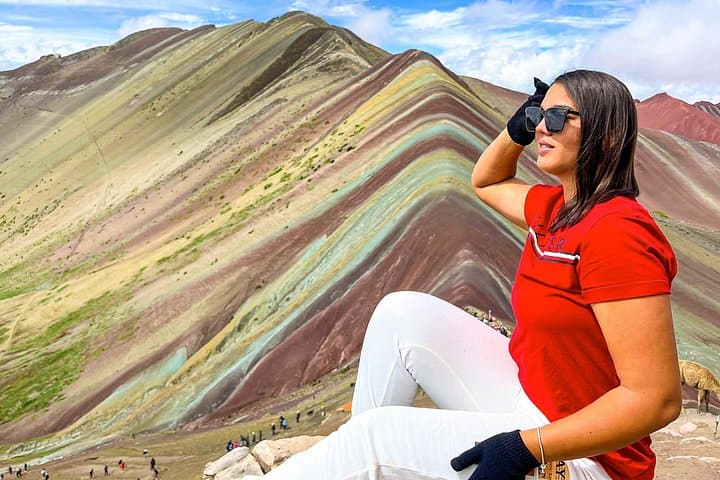
At dawn the van eases out of Cusco and climbs into the high puna; air thins, light sharpens, and the Andes unfold in tiers of rust and snow. Travelers step off near 4,400–4,800 m and face a short but steady climb—50 minutes for most—to the viewpoint where the mountain’s bands of ochre, rose and turquoise arc across a serrated ridge.
At dawn the van eases out of Cusco and climbs into the high puna; air thins, light sharpens, and the Andes unfold in tiers of rust and snow. Travelers step off near 4,400–4,800 m and face a short but steady climb—50 minutes for most—to the viewpoint where the mountain’s bands of ochre, rose and turquoise arc across a serrated ridge.
Geology here is straightforward: sedimentary deposits rich in iron, copper and other minerals were uplifted and exposed by glacial erosion, producing the vivid stripes that attract visitors. The area sits in the Ausangate range, a landscape long used and cared for by Quechua-speaking communities whose herds of llamas and alpacas dot the valleys. Local guides typically explain the mountain’s formation, the cultural significance of surrounding ridgelines, and the fragile wetlands and lagoons that support high-Andean birdlife.
Practically, this is a very long day—expect 11–12 hours total including transport, breakfast and lunch. The tour markets an “easy” approach by offering horseback or motorcycle options for the final ascent, which reduces exertion but not altitude exposure. Bring layered clothing, sun protection and extra water; move deliberately and listen to guides about pacing and acclimatization.
On arrival, follow marked paths, stick with the group, and take short breaks to manage breath and heart rate. Whether you walk the full approach or take a horse, the reward is the same: a compact, high-altitude panorama that feels earned, abrupt and elemental—an Andes viewpoint that presses you into the scale of these mountains while offering practical options for many fitness levels.
