THE ADVENTURE COLLECTIVE® · Independent discovery and booking for outdoor travel

Walk the Rainbow Valley’s painted slopes and study ancient Atacameño petroglyphs at Yerbas Buenas on a guided half-day from San Pedro de Atacama. Expect geological storytelling, a ridge-top breakfast, and easy-to-moderate desert hiking.
Walk the Rainbow Valley’s painted slopes and study ancient Atacameño petroglyphs at Yerbas Buenas on a guided half-day from San Pedro de Atacama. Expect geological storytelling, a ridge-top breakfast, and easy-to-moderate desert hiking.
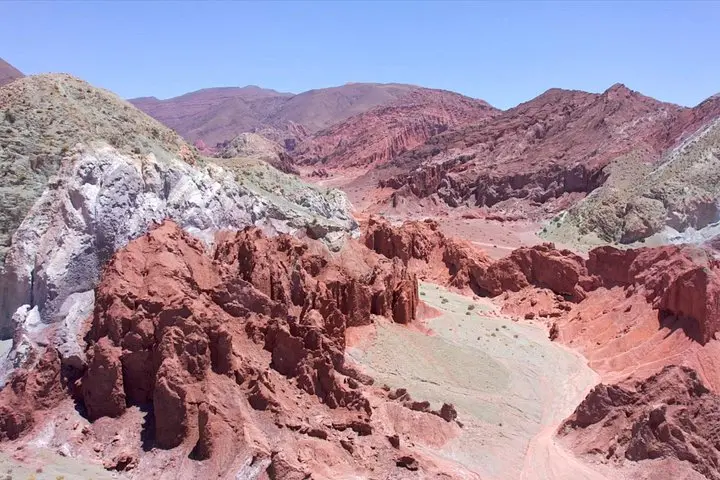
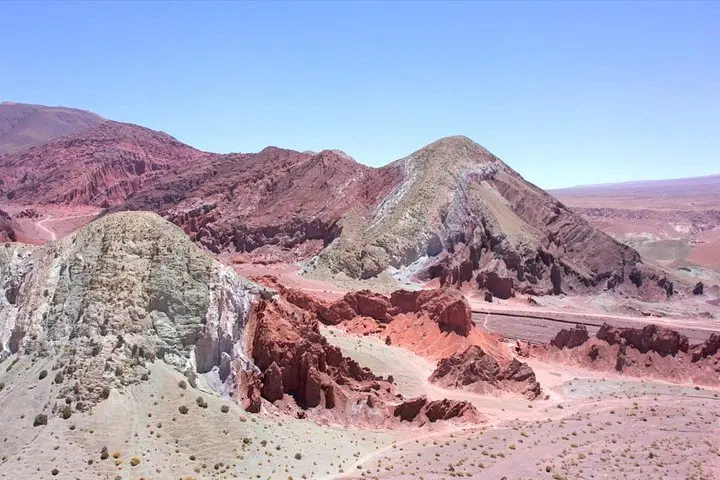
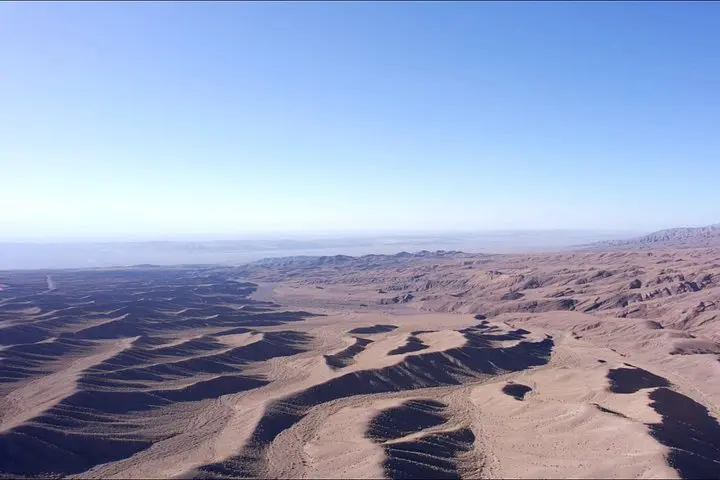
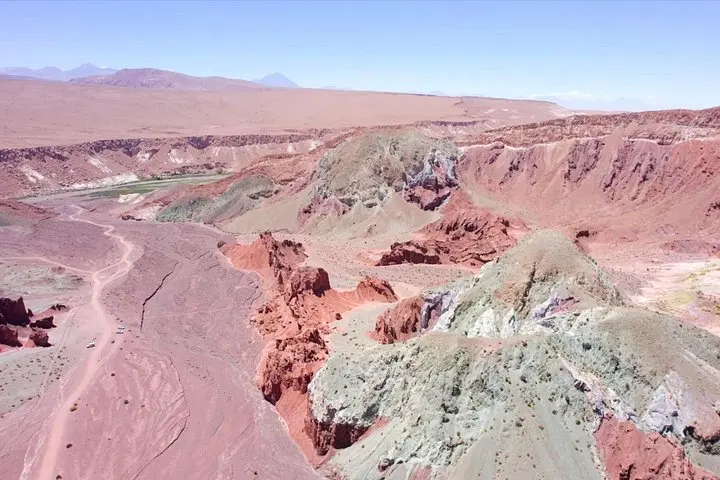
Morning light slices across the Domeyko Range and the Rainbow Valley answers with bands of ochre, rust and pale green that seem to change as you move. Participants begin with breakfast on a ridge, the air thin and crisp, binoculars in hand for the first sightings of ground-level life and scrubby cacti. Then the group drops into a walk among layered volcanic and sedimentary outcrops where minerals and erosion have painted the slopes.
Verified experiences and guided adventures in the surrounding area.
Operated by HORIZONTE ATACAMA · San Pedro de Atacama, Antofagasta Region
Morning light slices across the Domeyko Range and the Rainbow Valley answers with bands of ochre, rust and pale green that seem to change as you move. Participants begin with breakfast on a ridge, the air thin and crisp, binoculars in hand for the first sightings of ground-level life and scrubby cacti. Then the group drops into a walk among layered volcanic and sedimentary outcrops where minerals and erosion have painted the slopes.
Geology here reads like an open book: uplift and faulting have exposed the Domeyko Range’s volcanic flows, ash beds and mineral veins, producing the valley’s dramatic hues. A local guide threads cultural context through the hike, explaining how Atacameño peoples engraved petroglyphs into sheltered boulders at Yerbas Buenas, recording rituals, camelid herds, and celestial motifs that reflect long-standing desert relationships.
Expect a steady, non-technical trail across rocky scree and packed earth with short undulations rather than steep pitches. Flora is xeric—low shrubs, queñoa at higher pockets—and fauna is adapted to scarcity: vicuñas watch from ridgelines while small birds dart between rocks. Conversation shifts between mineralogy, ancestral histories, and practical route notes as the group pauses to study carved panels.
Practicalities: the tour runs about 5–6 hours, includes a regional breakfast and binoculars, and uses air-conditioned transport from San Pedro de Atacama. Bring layered clothing for strong sun and brisk mornings, 2–3 liters of water, sturdy shoes with traction, sun protection, and respect for the archaeological panels—photograph without touching. The setting rewards slow attention: colors, stone, and stories that anchor the Atacama’s deep time to a single morning hike.
The full experience lasts about 5–6 hours with mostly easy-to-moderate walking over rocky and packed earth; it’s non-technical but requires steady footing.
A regional breakfast is included—inform operators of dietary needs at booking so they can accommodate most restrictions.
Yes, the guide visits engraved panels at Yerbas Buenas; touching is prohibited and photography is allowed—follow the guide’s instructions for access.
San Pedro sits around 2,400 m and some sites are higher—pace yourself, hydrate, and inform guides of any health issues; most travelers adapt without problems.
HORIZONTE ATACAMA operates guided outdoor trips and adventures with an emphasis on safety, stewardship, and memorable experiences.
Morning light slices across the Domeyko Range and the Rainbow Valley answers with bands of ochre, rust and pale green that seem to change as you move. Participants begin with breakfast on a ridge, the air thin and crisp, binoculars in hand for the first sightings of ground-level life and scrubby cacti. Then the group drops into a walk among layered volcanic and sedimentary outcrops where minerals and erosion have painted the slopes.
Morning light slices across the Domeyko Range and the Rainbow Valley answers with bands of ochre, rust and pale green that seem to change as you move. Participants begin with breakfast on a ridge, the air thin and crisp, binoculars in hand for the first sightings of ground-level life and scrubby cacti. Then the group drops into a walk among layered volcanic and sedimentary outcrops where minerals and erosion have painted the slopes.
Geology here reads like an open book: uplift and faulting have exposed the Domeyko Range’s volcanic flows, ash beds and mineral veins, producing the valley’s dramatic hues. A local guide threads cultural context through the hike, explaining how Atacameño peoples engraved petroglyphs into sheltered boulders at Yerbas Buenas, recording rituals, camelid herds, and celestial motifs that reflect long-standing desert relationships.
Expect a steady, non-technical trail across rocky scree and packed earth with short undulations rather than steep pitches. Flora is xeric—low shrubs, queñoa at higher pockets—and fauna is adapted to scarcity: vicuñas watch from ridgelines while small birds dart between rocks. Conversation shifts between mineralogy, ancestral histories, and practical route notes as the group pauses to study carved panels.
Practicalities: the tour runs about 5–6 hours, includes a regional breakfast and binoculars, and uses air-conditioned transport from San Pedro de Atacama. Bring layered clothing for strong sun and brisk mornings, 2–3 liters of water, sturdy shoes with traction, sun protection, and respect for the archaeological panels—photograph without touching. The setting rewards slow attention: colors, stone, and stories that anchor the Atacama’s deep time to a single morning hike.