THE ADVENTURE COLLECTIVE® · Independent discovery and booking for outdoor travel

Spend a full day tracing the Domeyko Range’s painted hills, viewing petroglyphs up to 6,000 years old and exploring the artisan town of Rio Grande. This attainable Atacama tour balances geology, local culture and easy desert walks.
Spend a full day tracing the Domeyko Range’s painted hills, viewing petroglyphs up to 6,000 years old and exploring the artisan town of Rio Grande. This attainable Atacama tour balances geology, local culture and easy desert walks.
A cool wind meets the bus as it drops you on a stretch of moonlike ground where the Domeyko Range rises like a broken spine. Early light throws hard shadows across layered hills; clay and iron oxides burn reds, yellows and ochres into ridgelines that seem painted rather than formed.
Verified experiences and guided adventures in the surrounding area.
Operated by Tangol · San Pedro de Atacama, Antofagasta Region
A cool wind meets the bus as it drops you on a stretch of moonlike ground where the Domeyko Range rises like a broken spine. Early light throws hard shadows across layered hills; clay and iron oxides burn reds, yellows and ochres into ridgelines that seem painted rather than formed.
This guided day tour moves from broad panoramas to intimate archaeology. In Yerbas Buenas the guide will point out where several mountain ranges converge and explain the legacy of Atacameño people who left petroglyphs here—pecked symbols believed to be up to 6,000 years old. Geologically the color comes from sedimentary layers altered by mineral deposits and weathering in an arid climate; the Domeyko Range’s uplift exposed those bands to wind and rain.
After a breakfast with a view the route threads into Valle del Arcoiris—Rainbow Valley—where soft-clay strata stack like pages of a fossil book. The day ends in Rio Grande, a working town of artisans and farmers where markets offer textiles, locally made crafts and a chance to meet residents who still farm with scarce water.
Practical notes: this is a 6‑hour, low‑impact excursion suitable for most fitness levels with short walks on uneven desert slopes. Bring ample sun protection and at least 1.5 liters of water, sturdy shoes, and a layered windproof jacket; temperatures swing quickly. Respect petroglyph sites by staying on paths and following your guide—these are fragile cultural assets.
Timing (morning start) maximizes light for photos and calmer winds. The tour is a compact mix of geology, archaeology and local culture—an accessible way to read the Atacama’s layered history in a single day.
The tour typically departs around 8:00 AM from centrally located hotels and returns mid to late afternoon after approximately six hours.
Breakfast is included; restrooms are available at select stops and small towns but may be basic—plan accordingly.
Yes—this is rated easy and suitable for most ages, though participants should be able to walk short distances over uneven terrain.
Yes; the guide will show petroglyph panels, but access is controlled—visitors must stay on paths to preserve the sites.
Tangol operates guided outdoor trips and adventures with an emphasis on safety, stewardship, and memorable experiences.
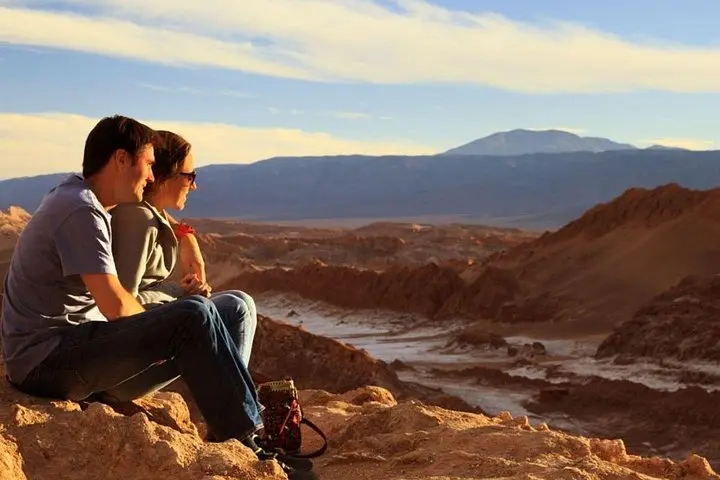
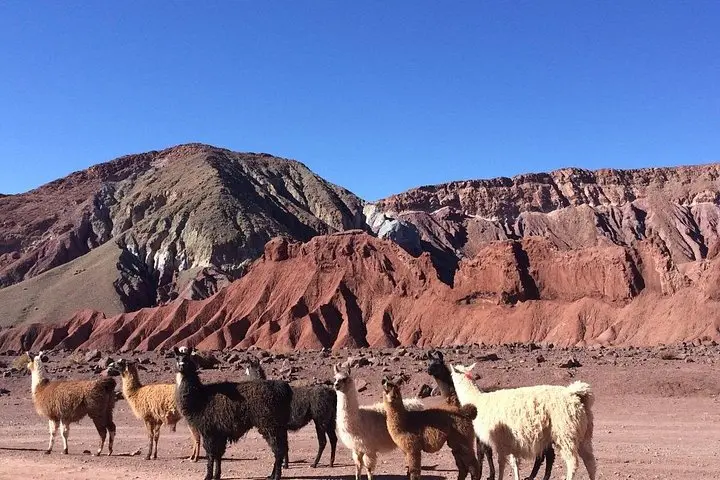
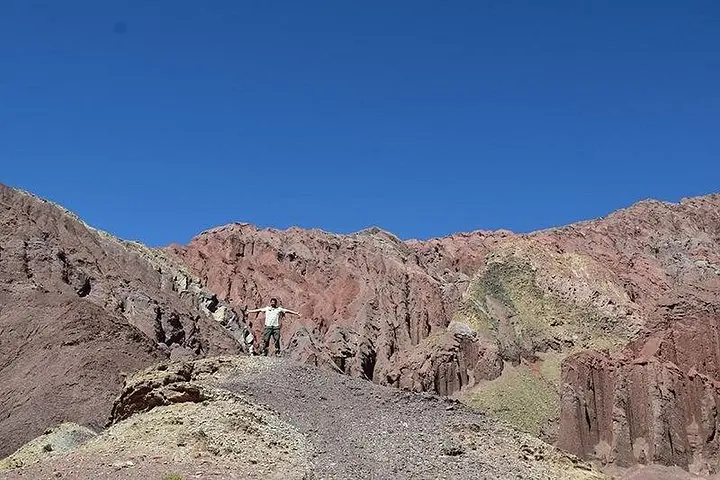
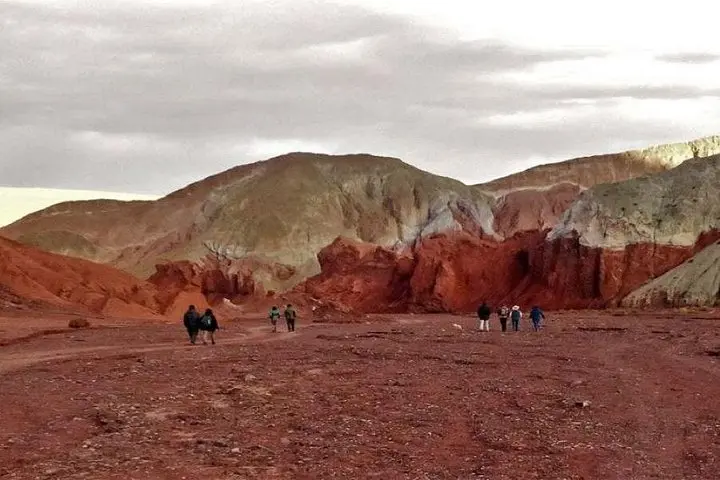
A cool wind meets the bus as it drops you on a stretch of moonlike ground where the Domeyko Range rises like a broken spine. Early light throws hard shadows across layered hills; clay and iron oxides burn reds, yellows and ochres into ridgelines that seem painted rather than formed.
A cool wind meets the bus as it drops you on a stretch of moonlike ground where the Domeyko Range rises like a broken spine. Early light throws hard shadows across layered hills; clay and iron oxides burn reds, yellows and ochres into ridgelines that seem painted rather than formed.
This guided day tour moves from broad panoramas to intimate archaeology. In Yerbas Buenas the guide will point out where several mountain ranges converge and explain the legacy of Atacameño people who left petroglyphs here—pecked symbols believed to be up to 6,000 years old. Geologically the color comes from sedimentary layers altered by mineral deposits and weathering in an arid climate; the Domeyko Range’s uplift exposed those bands to wind and rain.
After a breakfast with a view the route threads into Valle del Arcoiris—Rainbow Valley—where soft-clay strata stack like pages of a fossil book. The day ends in Rio Grande, a working town of artisans and farmers where markets offer textiles, locally made crafts and a chance to meet residents who still farm with scarce water.
Practical notes: this is a 6‑hour, low‑impact excursion suitable for most fitness levels with short walks on uneven desert slopes. Bring ample sun protection and at least 1.5 liters of water, sturdy shoes, and a layered windproof jacket; temperatures swing quickly. Respect petroglyph sites by staying on paths and following your guide—these are fragile cultural assets.
Timing (morning start) maximizes light for photos and calmer winds. The tour is a compact mix of geology, archaeology and local culture—an accessible way to read the Atacama’s layered history in a single day.