THE ADVENTURE COLLECTIVE® · Independent discovery and booking for outdoor travel

Walk the original administrative heart of British Calcutta on a guided three‑hour morning tour of Dalhousie Square. See Writers’ Building, the GPO dome, Raj Bhavan and Shaheed Minar while learning the political and river-trade history that shaped modern Kolkata.
Walk the original administrative heart of British Calcutta on a guided three‑hour morning tour of Dalhousie Square. See Writers’ Building, the GPO dome, Raj Bhavan and Shaheed Minar while learning the political and river-trade history that shaped modern Kolkata.
The walk begins before the city heats up — you step out as the first vendors set up stalls and the Hooghly River pushes a cool breath along Strand Road. Cobbled pavements and broad colonial facades frame the route; the city’s old center still moves at a quieter tempo in the dawn light.
Verified experiences and guided adventures in the surrounding area.
Operated by India saying namaste Trips · Kolkata, West Bengal
The walk begins before the city heats up — you step out as the first vendors set up stalls and the Hooghly River pushes a cool breath along Strand Road. Cobbled pavements and broad colonial facades frame the route; the city’s old center still moves at a quieter tempo in the dawn light.
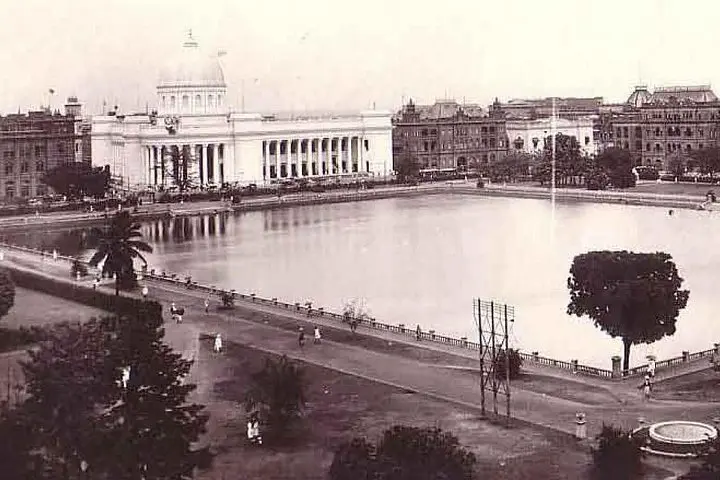
This loop through Dalhousie Square (B.B.D. Bagh) follows the architecture and stories of British Calcutta: the Writers' Building’s Corinthian face, the Victorian dome of the General Post Office, the regimented column lines of Raj Bhavan and the Ochterlony Monument now called Shaheed Minar. Geologically this is the Gangetic plain — flat, reclaimed land by the river that allowed the port and sea trade to shape the city’s fortunes. Culturally, the area is a palimpsest of colonial administration, Bengali civic life and riverfront commerce; guides often weave tales of the East India Company, viceroys and the local resistance that eventually moved the capital in 1911.
Expect close-up views of masonry details, a churchyard with 18th-century graves, and the riverfront where ships once anchored to unload spices and jute. The tour usually runs 6:30–9:30 a.m., a practical window for photography and comfortable walking.
Practical guidance: wear supportive walking shoes, carry a reusable water bottle, and bring a light layer for the river breeze. Respect active government buildings and avoid blocking entrances; mornings are less crowded and cooler. Pickup within Kolkata is included, making this a convenient, low-impact way to experience the city’s Raj-era core.
Pickup within Kolkata is offered; confirm your exact pickup location at booking so the operator can arrange a timely collection.
The tour is classified as easy and suitable for most people, but it involves walking on uneven pavements; contact the operator about mobility accommodations or vehicle time between points.
The itinerary focuses on exteriors and public spaces (Writers' Building, GPO, Raj Bhavan surroundings); entry to government buildings is generally not possible due to security.
Guides typically speak English and local languages; confirm language preference when booking to ensure a guide who meets your needs.
India saying namaste Trips operates guided outdoor trips and adventures with an emphasis on safety, stewardship, and memorable experiences.
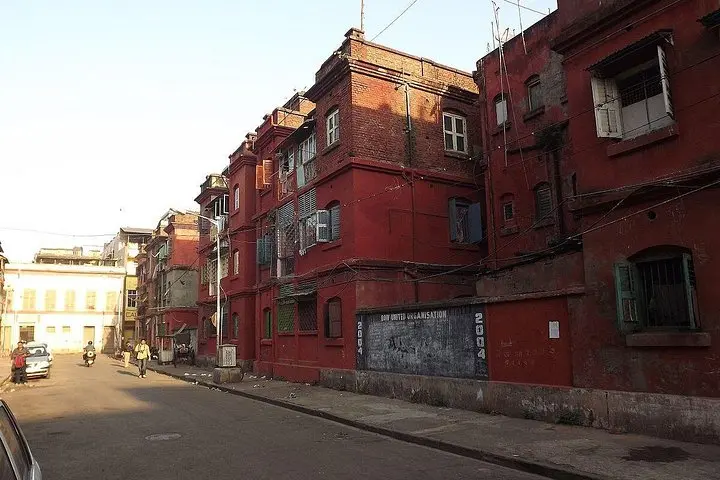
The walk begins before the city heats up — you step out as the first vendors set up stalls and the Hooghly River pushes a cool breath along Strand Road. Cobbled pavements and broad colonial facades frame the route; the city’s old center still moves at a quieter tempo in the dawn light.
The walk begins before the city heats up — you step out as the first vendors set up stalls and the Hooghly River pushes a cool breath along Strand Road. Cobbled pavements and broad colonial facades frame the route; the city’s old center still moves at a quieter tempo in the dawn light.
This loop through Dalhousie Square (B.B.D. Bagh) follows the architecture and stories of British Calcutta: the Writers' Building’s Corinthian face, the Victorian dome of the General Post Office, the regimented column lines of Raj Bhavan and the Ochterlony Monument now called Shaheed Minar. Geologically this is the Gangetic plain — flat, reclaimed land by the river that allowed the port and sea trade to shape the city’s fortunes. Culturally, the area is a palimpsest of colonial administration, Bengali civic life and riverfront commerce; guides often weave tales of the East India Company, viceroys and the local resistance that eventually moved the capital in 1911.
Expect close-up views of masonry details, a churchyard with 18th-century graves, and the riverfront where ships once anchored to unload spices and jute. The tour usually runs 6:30–9:30 a.m., a practical window for photography and comfortable walking.
Practical guidance: wear supportive walking shoes, carry a reusable water bottle, and bring a light layer for the river breeze. Respect active government buildings and avoid blocking entrances; mornings are less crowded and cooler. Pickup within Kolkata is included, making this a convenient, low-impact way to experience the city’s Raj-era core.