THE ADVENTURE COLLECTIVE® · Independent discovery and booking for outdoor travel

An 18-day circuit through Rajasthan’s forts, Khajuraho’s carved temples and Varanasi’s ghats—combining palace tours, two national park safaris and river rituals. Expect full days, local guides and a clear rhythm of history, wildlife and ceremony.
An 18-day circuit through Rajasthan’s forts, Khajuraho’s carved temples and Varanasi’s ghats—combining palace tours, two national park safaris and river rituals. Expect full days, local guides and a clear rhythm of history, wildlife and ceremony.
You step out of the airport into an orchestra of horns and heat; saffron-clad priests, stone ramparts and a river that seems to keep time with ritual flames. This 18-day circuit moves like a measured procession—from Delhi’s traffic-choked avenues to the high ramparts of Mehrangarh, the quiet carved courtyards of Khajuraho and the dawn-lit ghats of Varanasi.
Verified experiences and guided adventures in the surrounding area.
Operated by Agora Voyages Pvt. Ltd. · Jaipur, Rajasthan
You step out of the airport into an orchestra of horns and heat; saffron-clad priests, stone ramparts and a river that seems to keep time with ritual flames. This 18-day circuit moves like a measured procession—from Delhi’s traffic-choked avenues to the high ramparts of Mehrangarh, the quiet carved courtyards of Khajuraho and the dawn-lit ghats of Varanasi.
The route threads through centuries of Mughal and Rajput power: Agra’s marble of Shah Jahan, Jaipur’s hilltop Amber Fort and Chittorgarh’s sprawling battlements. Geology shapes the story—sandstone plateaus, riverine alluvium along the Ganges and marble quarries that supplied the Taj. Khajuraho’s sandstone temples record a different past: skilled masons and a court culture comfortable recording human experience in stone. Varanasi, older than many nations, is a living ritual site where the Ganges pushes time forward and invites reflection.
Expect guided palace tours, two shared jeep safaris in Ranthambore and Panna, boat rides on Lake Pichola and the Ganges, and local guides who translate history into detail. Days are full but paced with hotel stays across comfort categories; transport is by private AC vehicle with timed flights between Khajuraho and Varanasi.
Practical tips: plan for heat and dust—light layers, early starts for photography and wildlife drives, modest clothing at temples, and original passports for permits. Carry cash for bazaars and tipping; keep a daypack with water and sunscreen for long monument walks. This is a culturally dense, low-technical trip that rewards curiosity and steady pacing.
Most international visitors require an Indian visa; arrange the correct category before arrival and carry the passport used to apply.
Safaris increase the chance of sightings but wildlife sightings cannot be guaranteed; Ranthambore and Panna offer strong probabilities with experienced naturalists.
Modest attire is expected—shoulders and knees covered; women may prefer a scarf and men lightweight long trousers for some temple entrances.
Carry small denominations (INR) for local transport, tips and markets; major hotels and some establishments accept cards, but small vendors generally do not.
Agora Voyages Pvt. Ltd. operates guided outdoor trips and adventures with an emphasis on safety, stewardship, and memorable experiences.
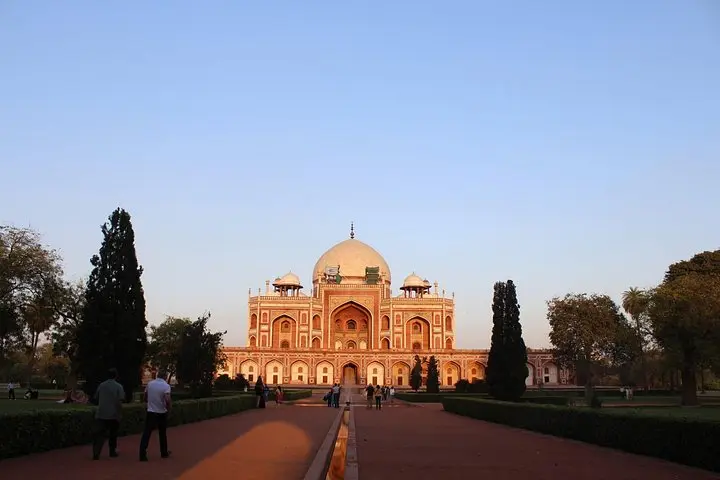
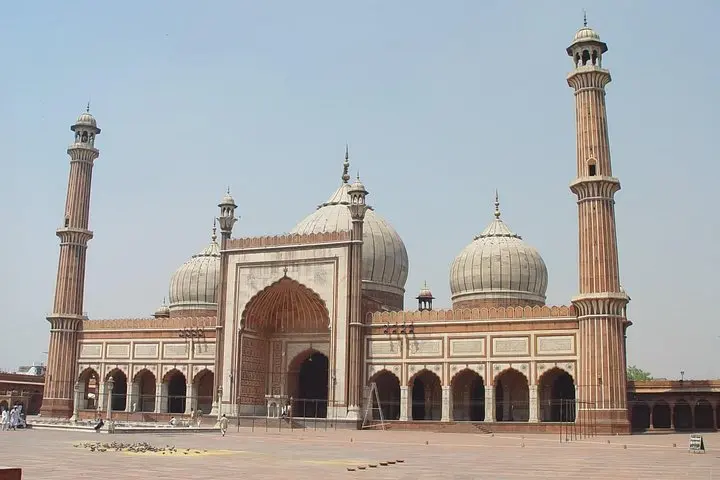
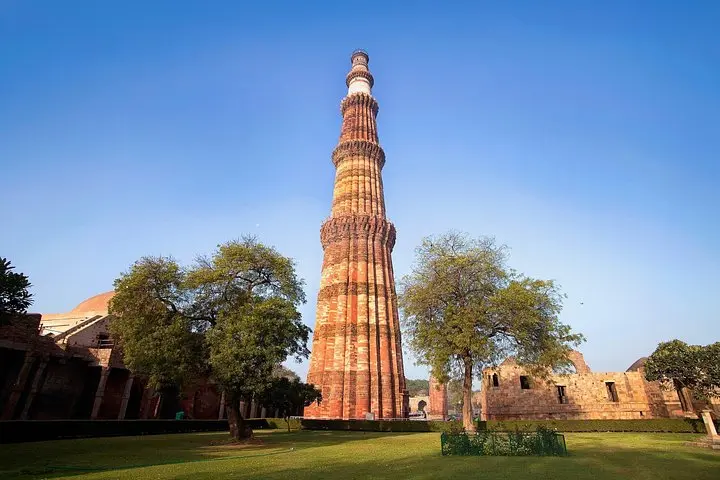
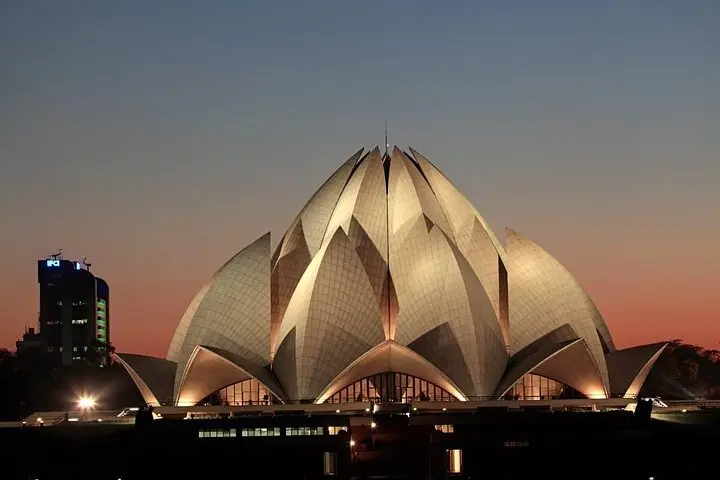
You step out of the airport into an orchestra of horns and heat; saffron-clad priests, stone ramparts and a river that seems to keep time with ritual flames. This 18-day circuit moves like a measured procession—from Delhi’s traffic-choked avenues to the high ramparts of Mehrangarh, the quiet carved courtyards of Khajuraho and the dawn-lit ghats of Varanasi.
You step out of the airport into an orchestra of horns and heat; saffron-clad priests, stone ramparts and a river that seems to keep time with ritual flames. This 18-day circuit moves like a measured procession—from Delhi’s traffic-choked avenues to the high ramparts of Mehrangarh, the quiet carved courtyards of Khajuraho and the dawn-lit ghats of Varanasi.
The route threads through centuries of Mughal and Rajput power: Agra’s marble of Shah Jahan, Jaipur’s hilltop Amber Fort and Chittorgarh’s sprawling battlements. Geology shapes the story—sandstone plateaus, riverine alluvium along the Ganges and marble quarries that supplied the Taj. Khajuraho’s sandstone temples record a different past: skilled masons and a court culture comfortable recording human experience in stone. Varanasi, older than many nations, is a living ritual site where the Ganges pushes time forward and invites reflection.
Expect guided palace tours, two shared jeep safaris in Ranthambore and Panna, boat rides on Lake Pichola and the Ganges, and local guides who translate history into detail. Days are full but paced with hotel stays across comfort categories; transport is by private AC vehicle with timed flights between Khajuraho and Varanasi.
Practical tips: plan for heat and dust—light layers, early starts for photography and wildlife drives, modest clothing at temples, and original passports for permits. Carry cash for bazaars and tipping; keep a daypack with water and sunscreen for long monument walks. This is a culturally dense, low-technical trip that rewards curiosity and steady pacing.