THE ADVENTURE COLLECTIVE® · Independent discovery and booking for outdoor travel

Traverse Rajasthan over two weeks: forts and havelis, desert dunes and lake cities. This road-based odyssey balances long drives with cultural stops—ideal for travelers who want immersive history alongside practical travel logistics.
Traverse Rajasthan over two weeks: forts and havelis, desert dunes and lake cities. This road-based odyssey balances long drives with cultural stops—ideal for travelers who want immersive history alongside practical travel logistics.
The sun drops like a coin behind the Jaisalmer ramparts, casting the sandstone fort in burnished gold while a caravan of tourists drifts down to the Sam Sand Dunes. Sand climbs and falls with each gust, daring you to step farther; distant lakes hold cool mirrors of palace domes and hill-top forts.
Verified experiences and guided adventures in the surrounding area.
Operated by TripSthan.com · Jaipur, Rajasthan
The sun drops like a coin behind the Jaisalmer ramparts, casting the sandstone fort in burnished gold while a caravan of tourists drifts down to the Sam Sand Dunes. Sand climbs and falls with each gust, daring you to step farther; distant lakes hold cool mirrors of palace domes and hill-top forts.
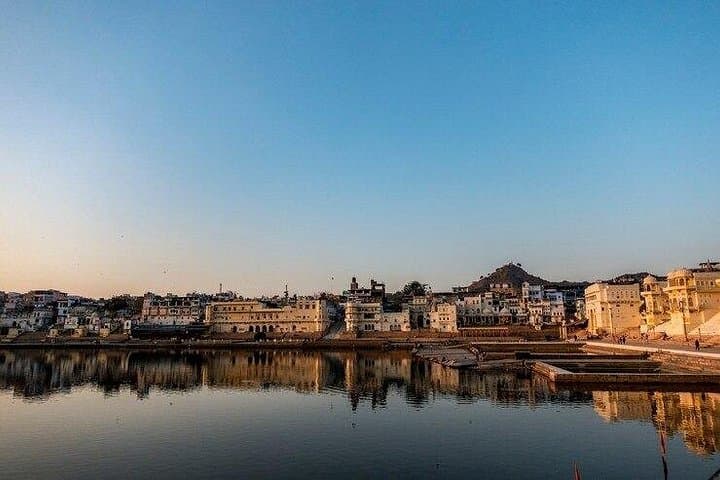
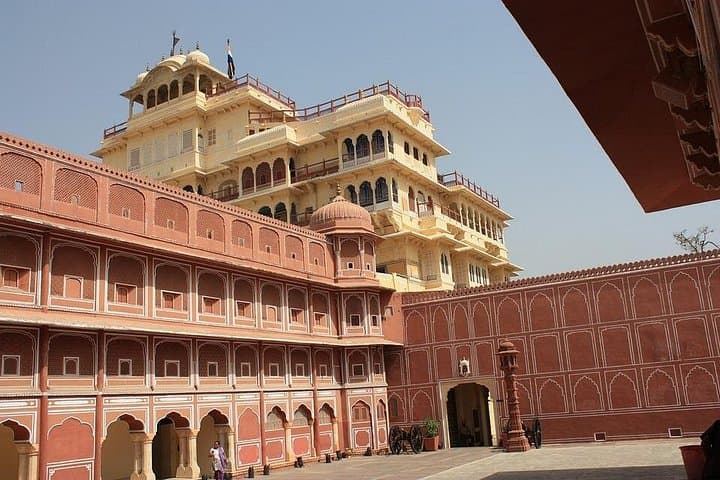
This 14-day circuit threads the Red and Yellow Earth of Rajasthan: the wind-sculpted Thar Desert, the weathered Aravalli hills, and fortified cities born of Rajput court life. Visitors move between living forts—Mehrangarh and Junagarh—town bazaars where block-printed textiles trade hands, and spiritual pockets like Pushkar’s ghats. Geology here is simple and dramatic: ancient Aravalli ridges rising from largely arid plains, alluvial basins that hold lakes critical to city survival.
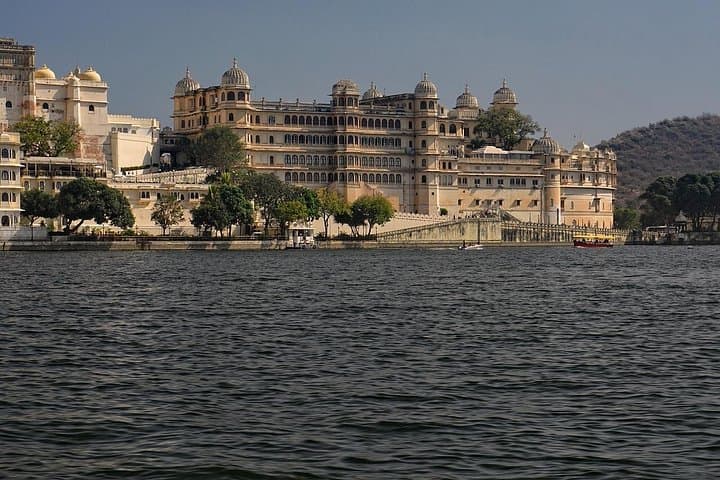
Culturally, Rajasthan is overt and tactile: forts built for power, havelis decorated by merchant families, and an enduring hospitality expressed in food and music. Expect camel caravans at dusk, boat rides on Lake Pichola, and a Bagore Ki Haveli performance that animates regional dance forms.
Practical guidance: pace the itinerary to allow early starts and mid-afternoon rests—temperatures swing widely. Pack breathable layers, a sturdy pair of closed shoes for cobbled forts and hot sands for desert legs, and a refillable water bottle to fight dehydration. Plan transfers between cities; much of this tour is road-based but air-conditioned vehicles handle long drives. Respect temple protocols (modest clothing, shoe removal). Book entrance tickets for high-season sights in advance and schedule desert visits for sunrise or sunset for both comfort and light.
Yes—transport is by air-conditioned vehicle with a moderate pace; plan for rest breaks and shorter walking segments if needed.
Most temples require modest dress and shoe removal; carry a scarf or long-sleeve layer and be prepared to leave footwear at entrances.
Expect multiple long drives of 3–6 hours on some days; the itinerary balances driving days with full sightseeing days.
Camel rides and dune visits are commonly included; choose operators who provide water, experienced guides, and safe-saddled camels or vehicles.
TripSthan.com operates guided outdoor trips and adventures with an emphasis on safety, stewardship, and memorable experiences.
The sun drops like a coin behind the Jaisalmer ramparts, casting the sandstone fort in burnished gold while a caravan of tourists drifts down to the Sam Sand Dunes. Sand climbs and falls with each gust, daring you to step farther; distant lakes hold cool mirrors of palace domes and hill-top forts.
The sun drops like a coin behind the Jaisalmer ramparts, casting the sandstone fort in burnished gold while a caravan of tourists drifts down to the Sam Sand Dunes. Sand climbs and falls with each gust, daring you to step farther; distant lakes hold cool mirrors of palace domes and hill-top forts.
This 14-day circuit threads the Red and Yellow Earth of Rajasthan: the wind-sculpted Thar Desert, the weathered Aravalli hills, and fortified cities born of Rajput court life. Visitors move between living forts—Mehrangarh and Junagarh—town bazaars where block-printed textiles trade hands, and spiritual pockets like Pushkar’s ghats. Geology here is simple and dramatic: ancient Aravalli ridges rising from largely arid plains, alluvial basins that hold lakes critical to city survival.
Culturally, Rajasthan is overt and tactile: forts built for power, havelis decorated by merchant families, and an enduring hospitality expressed in food and music. Expect camel caravans at dusk, boat rides on Lake Pichola, and a Bagore Ki Haveli performance that animates regional dance forms.
Practical guidance: pace the itinerary to allow early starts and mid-afternoon rests—temperatures swing widely. Pack breathable layers, a sturdy pair of closed shoes for cobbled forts and hot sands for desert legs, and a refillable water bottle to fight dehydration. Plan transfers between cities; much of this tour is road-based but air-conditioned vehicles handle long drives. Respect temple protocols (modest clothing, shoe removal). Book entrance tickets for high-season sights in advance and schedule desert visits for sunrise or sunset for both comfort and light.