THE ADVENTURE COLLECTIVE® · Independent discovery and booking for outdoor travel

A ten‑day private circuit through northern India’s most iconic sites: Delhi’s monuments, the Taj in Agra, Ranthambore tiger safaris, and Udaipur’s lakes. Expect long drives, layered history and two daily safaris that bring the region’s wildlife close.
A ten‑day private circuit through northern India’s most iconic sites: Delhi’s monuments, the Taj in Agra, Ranthambore tiger safaris, and Udaipur’s lakes. Expect long drives, layered history and two daily safaris that bring the region’s wildlife close.
You step out of Delhi’s airport into a humid dawn and slide into an air‑conditioned car that will be your constant companion for the next ten days. Highways unfold like arteries between imperial cities: the white marble hush of the Taj, the red sandstone drama of Agra Fort and Fatehpur Sikri, the scrubby rise of the Aravalli foothills as you approach Ranthambore, and the blue glint of Lake Pichola in Udaipur.
Verified experiences and guided adventures in the surrounding area.
Operated by Bagga India Tour · New Delhi, Delhi
You step out of Delhi’s airport into a humid dawn and slide into an air‑conditioned car that will be your constant companion for the next ten days. Highways unfold like arteries between imperial cities: the white marble hush of the Taj, the red sandstone drama of Agra Fort and Fatehpur Sikri, the scrubby rise of the Aravalli foothills as you approach Ranthambore, and the blue glint of Lake Pichola in Udaipur.
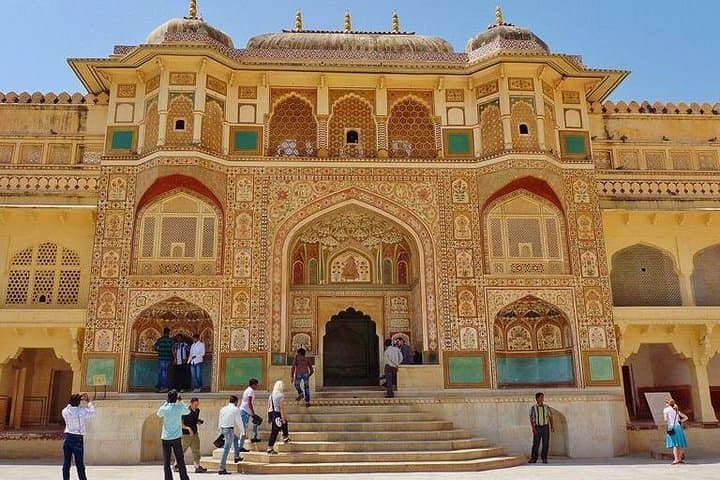
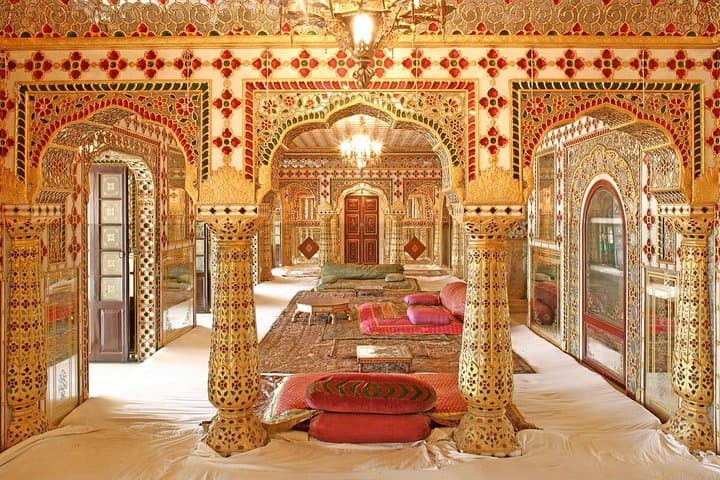
This route threads Mughal and Rajput history—Humayun’s Tomb, Qutub Minar and the Taj Mahal speak Mughal ambition while Jaipur’s palaces and Jodhpur’s Mehrangarh (sitting roughly 410 feet above the city) show Rajput craft and scale. Geologically the tour moves from the Indo‑Gangetic plains into the ancient Aravalli range: expect dusty plains, rocky outcrops, and pockets of dry deciduous forest that host Ranthambore’s tiger and deer populations.
Culturally, roadside bazaars, spice sellers and stepwells like Panna Meena Ka Kund offer tactile breaks between formal monuments. Ranthambore safaris (morning and afternoon, about 3 hours each) are the tour’s outdoor highlight—jeeps thread dusty tracks while birdlife and the occasional tiger test your patience and timing.
Practical guidance: Taj Mahal closed Fridays, carry passport photocopies for park permits, and build buffer time for 3–6 hour drives between cities (Delhi→Agra ~3–4 hrs; Agra→Ranthambore ~5–6 hrs). Travel light, favor breathable layers for heat and cool mornings, and plan safaris for early morning light when wildlife is most active. With private transfers and local guides included, this itinerary balances concentrated sightseeing with realistic travel rhythm.
The itinerary includes an Agra visit with Taj Mahal entrance; note the monument is closed on Fridays and timing may be sunrise or late afternoon depending on schedule.
Sightings are not guaranteed—Ranthambore offers some of the best tiger viewing in India, but sightings depend on luck, season and animal movement; two safaris increase the odds.
Accommodation costs are not included. The tour provides transfers and local guides; you’ll arrange hotels separately or request recommendations from the operator.
A valid current passport is typically required for Ranthambore safari permits—carry originals and copies as instructed by your operator.
Bagga India Tour operates guided outdoor trips and adventures with an emphasis on safety, stewardship, and memorable experiences.


You step out of Delhi’s airport into a humid dawn and slide into an air‑conditioned car that will be your constant companion for the next ten days. Highways unfold like arteries between imperial cities: the white marble hush of the Taj, the red sandstone drama of Agra Fort and Fatehpur Sikri, the scrubby rise of the Aravalli foothills as you approach Ranthambore, and the blue glint of Lake Pichola in Udaipur.
You step out of Delhi’s airport into a humid dawn and slide into an air‑conditioned car that will be your constant companion for the next ten days. Highways unfold like arteries between imperial cities: the white marble hush of the Taj, the red sandstone drama of Agra Fort and Fatehpur Sikri, the scrubby rise of the Aravalli foothills as you approach Ranthambore, and the blue glint of Lake Pichola in Udaipur.
This route threads Mughal and Rajput history—Humayun’s Tomb, Qutub Minar and the Taj Mahal speak Mughal ambition while Jaipur’s palaces and Jodhpur’s Mehrangarh (sitting roughly 410 feet above the city) show Rajput craft and scale. Geologically the tour moves from the Indo‑Gangetic plains into the ancient Aravalli range: expect dusty plains, rocky outcrops, and pockets of dry deciduous forest that host Ranthambore’s tiger and deer populations.
Culturally, roadside bazaars, spice sellers and stepwells like Panna Meena Ka Kund offer tactile breaks between formal monuments. Ranthambore safaris (morning and afternoon, about 3 hours each) are the tour’s outdoor highlight—jeeps thread dusty tracks while birdlife and the occasional tiger test your patience and timing.
Practical guidance: Taj Mahal closed Fridays, carry passport photocopies for park permits, and build buffer time for 3–6 hour drives between cities (Delhi→Agra ~3–4 hrs; Agra→Ranthambore ~5–6 hrs). Travel light, favor breathable layers for heat and cool mornings, and plan safaris for early morning light when wildlife is most active. With private transfers and local guides included, this itinerary balances concentrated sightseeing with realistic travel rhythm.