THE ADVENTURE COLLECTIVE® · Independent discovery and booking for outdoor travel

A compact day trek from Dharamshala to the small hamlet of Rakh, this route threads Deodar forests and a clear mountain stream with sweeping views of the Dhauladhar range. Ideal for hikers with moderate fitness, the tour includes private transport, a local guide and a packed lunch.
A compact day trek from Dharamshala to the small hamlet of Rakh, this route threads Deodar forests and a clear mountain stream with sweeping views of the Dhauladhar range. Ideal for hikers with moderate fitness, the tour includes private transport, a local guide and a packed lunch.
The trail opens like a page of the mountains — cool cedar needles underfoot, a ribbon of path climbing past a crystal stream that seems to dare you onward. Morning light cuts across the Kangra valley as your private vehicle drops you at Rakh Bridge and the guide signals the start of a 2.5–3 hour rhythm of switchbacks, shaded gullies and sudden clearings with views of the Dhauladhar spine.
Verified experiences and guided adventures in the surrounding area.
Operated by SITA World Tours · Rakh, Himachal Pradesh
The trail opens like a page of the mountains — cool cedar needles underfoot, a ribbon of path climbing past a crystal stream that seems to dare you onward. Morning light cuts across the Kangra valley as your private vehicle drops you at Rakh Bridge and the guide signals the start of a 2.5–3 hour rhythm of switchbacks, shaded gullies and sudden clearings with views of the Dhauladhar spine.
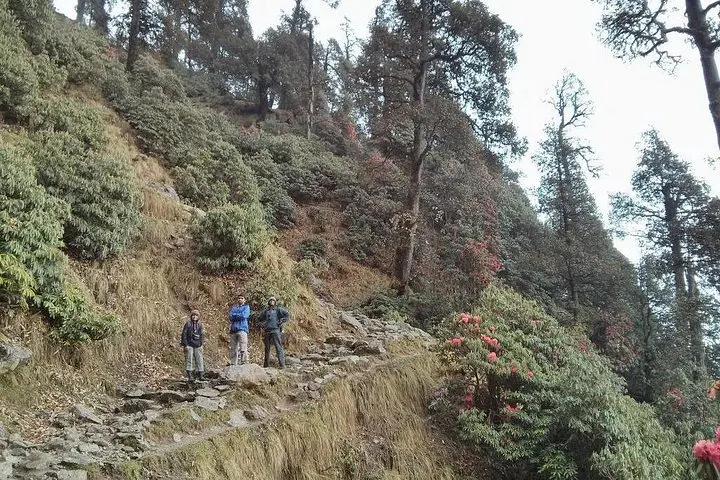
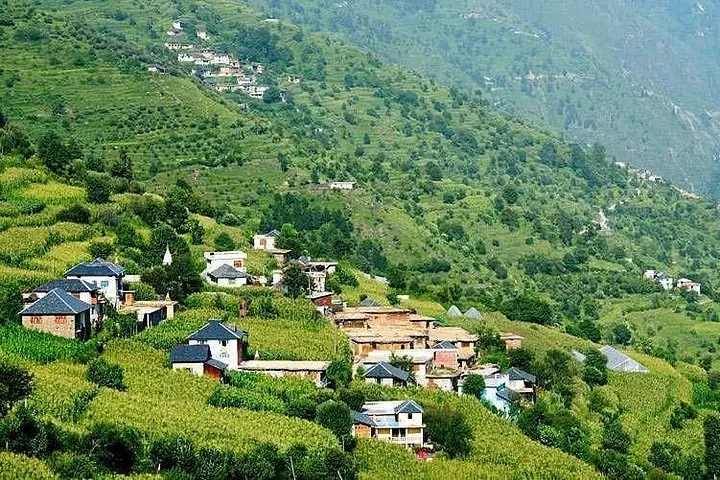
The Dhauladhars are young Himalaya geology: steep folded ridges of sandstone and slate that throw up abrupt faces and sheltered hollows where Deodar and rhododendron take root. Rakh village keeps a slow, agrarian pace — cluster huts, terraced fields and a culture shaped by hill farming and the nearby Tibetan communities of Dharamshala. Listen for the familiar call of village dogs and the whisper of cowbells as shepherds move livestock.
Practical essentials are simple and specific. The trek is moderately difficult — expect uneven, rocky trails and short, sustained gains; allow roughly 5–7 km roundtrip and 200–400 m cumulative ascent depending on route choices. The operator supplies two water bottles, a local English-speaking guide, private AC transfer and a packed lunch (beverage excluded). The route is closed during the monsoon months (July–September).
Plan early starts for the best light and cooler temperatures, wear sturdy boots with ankle support, carry a lightweight insulating layer and a small first-aid kit. Stay on marked paths to limit erosion, respect grazing areas and pack out waste. For anyone wanting a short, honest mountain day that blends forest, stream and wide valley views, Rakh offers a compact Himalayan experience without high-altitude extremes.
The guided route takes about 2.5–3 hours roundtrip and is rated moderate—rocky, uneven terrain with short sustained climbs; suitable for hikers with basic stamina.
Private AC transport to and from your hotel, a local English-speaking guide, two bottles of mineral water per person and a packed lunch (beverage excluded) are included.
Children must be accompanied by an adult; the operator does not recommend the trek for travelers with serious back, heart, or pregnancy-related concerns due to trail demands.
Hotel pick-up and drop-off in the Dharamshala area are provided as part of the tour—confirm your pickup point when booking.
SITA World Tours operates guided outdoor trips and adventures with an emphasis on safety, stewardship, and memorable experiences.
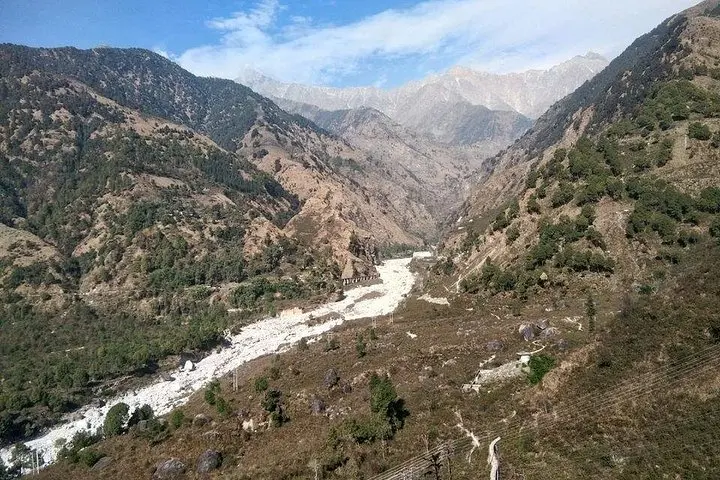
The trail opens like a page of the mountains — cool cedar needles underfoot, a ribbon of path climbing past a crystal stream that seems to dare you onward. Morning light cuts across the Kangra valley as your private vehicle drops you at Rakh Bridge and the guide signals the start of a 2.5–3 hour rhythm of switchbacks, shaded gullies and sudden clearings with views of the Dhauladhar spine.
The trail opens like a page of the mountains — cool cedar needles underfoot, a ribbon of path climbing past a crystal stream that seems to dare you onward. Morning light cuts across the Kangra valley as your private vehicle drops you at Rakh Bridge and the guide signals the start of a 2.5–3 hour rhythm of switchbacks, shaded gullies and sudden clearings with views of the Dhauladhar spine.
The Dhauladhars are young Himalaya geology: steep folded ridges of sandstone and slate that throw up abrupt faces and sheltered hollows where Deodar and rhododendron take root. Rakh village keeps a slow, agrarian pace — cluster huts, terraced fields and a culture shaped by hill farming and the nearby Tibetan communities of Dharamshala. Listen for the familiar call of village dogs and the whisper of cowbells as shepherds move livestock.
Practical essentials are simple and specific. The trek is moderately difficult — expect uneven, rocky trails and short, sustained gains; allow roughly 5–7 km roundtrip and 200–400 m cumulative ascent depending on route choices. The operator supplies two water bottles, a local English-speaking guide, private AC transfer and a packed lunch (beverage excluded). The route is closed during the monsoon months (July–September).
Plan early starts for the best light and cooler temperatures, wear sturdy boots with ankle support, carry a lightweight insulating layer and a small first-aid kit. Stay on marked paths to limit erosion, respect grazing areas and pack out waste. For anyone wanting a short, honest mountain day that blends forest, stream and wide valley views, Rakh offers a compact Himalayan experience without high-altitude extremes.