THE ADVENTURE COLLECTIVE® · Independent discovery and booking for outdoor travel

Drive 45 minutes from Dharamshala into the Dhauladhar foothills to Rakh village, then follow a moderate 2.5–3 hour trail through Deodar forests and past a crystal mountain stream. This full-day outing combines easy logistics with steep, scenic Himalayan terrain.
Drive 45 minutes from Dharamshala into the Dhauladhar foothills to Rakh village, then follow a moderate 2.5–3 hour trail through Deodar forests and past a crystal mountain stream. This full-day outing combines easy logistics with steep, scenic Himalayan terrain.
A low-slung road peels away from Dharamshala and the Dhauladhar range fills the windshield: serrated ridgelines, bands of pine and cedar, and the dense, resin-scented Deodar that frames the valley. A 45-minute drive drops you at Rakh Bridge and the trail begins where village life gives way to a mountain path. The stream beside the route seems to dare you onward, its clear water urging a slower pace.
Verified experiences and guided adventures in the surrounding area.
Operated by SITA World Tours · Dharamshala, Himachal Pradesh
A low-slung road peels away from Dharamshala and the Dhauladhar range fills the windshield: serrated ridgelines, bands of pine and cedar, and the dense, resin-scented Deodar that frames the valley. A 45-minute drive drops you at Rakh Bridge and the trail begins where village life gives way to a mountain path. The stream beside the route seems to dare you onward, its clear water urging a slower pace.
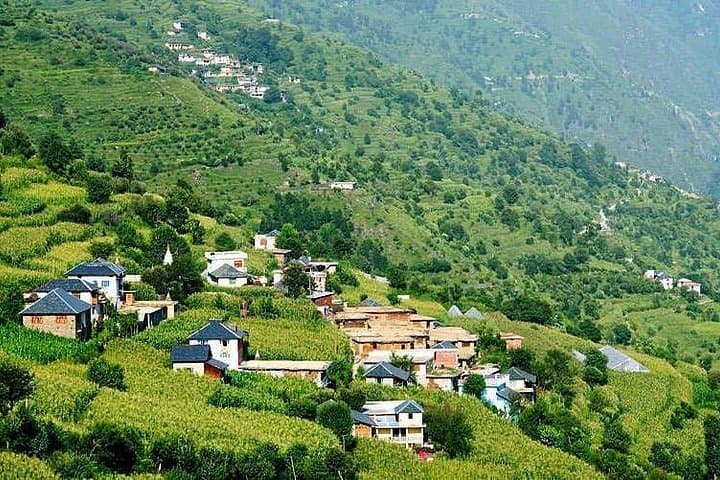
Geology here is readable — the Dhauladhar are young, steep folds of the Lesser Himalaya, carved into sharp slopes and narrow ridges. Rakh itself is a small Kangra-valley hamlet where traditional stone-and-wood huts cluster below terraced fields; the local culture is rural Himachali, with tea stalls and shepherd tracks marking daily rhythms.
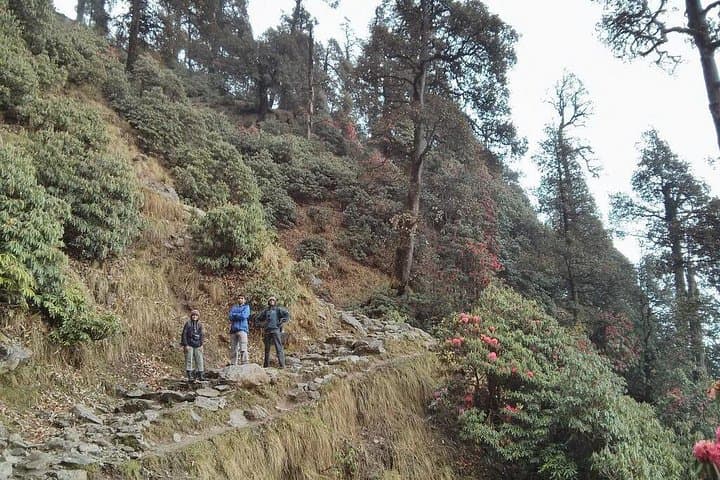
The trek is a moderately difficult 2.5–3 hour walk (plan for an 8-hour outing including transfers), covering mixed dirt track, stone steps and singletrack through Deodar and rhododendron stands, with roughly 300–500 m of ascent depending on your turn-back point. Expect cool, shaded stretches, sudden open viewpoints over the Kangra basin, and at least one clear mountain stream crossing.
Practical guidance: start early to avoid midday glare and afternoon cloud build-up, wear grippy hiking shoes and layered clothing, and bring more water than you think — only two bottles are provided. Monsoon months (July–September) close many local trails; winter brings cold and possible snow at higher spots. A local English-speaking guide and private AC transport are typically included, making this a straightforward day trip for hikers who want a concentrated taste of the Dhauladhar without multi-day logistics.
The guided outing is a full-day (about 8 hours including transfers) with a 2.5–3 hour trek that is moderately difficult and involves uneven, uphill sections and stream-side footing.
Yes—private air-conditioned transport, hotel pickup/drop-off and a local English-speaking guide are typically included.
Children must be accompanied by an adult; the provider advises against participation for pregnant travelers and those with significant back or heart problems.
Spring (March–May) and autumn (October–November) offer the best weather and visibility; monsoon (July–September) is usually closed for safety.
SITA World Tours operates guided outdoor trips and adventures with an emphasis on safety, stewardship, and memorable experiences.

A low-slung road peels away from Dharamshala and the Dhauladhar range fills the windshield: serrated ridgelines, bands of pine and cedar, and the dense, resin-scented Deodar that frames the valley. A 45-minute drive drops you at Rakh Bridge and the trail begins where village life gives way to a mountain path. The stream beside the route seems to dare you onward, its clear water urging a slower pace.
A low-slung road peels away from Dharamshala and the Dhauladhar range fills the windshield: serrated ridgelines, bands of pine and cedar, and the dense, resin-scented Deodar that frames the valley. A 45-minute drive drops you at Rakh Bridge and the trail begins where village life gives way to a mountain path. The stream beside the route seems to dare you onward, its clear water urging a slower pace.
Geology here is readable — the Dhauladhar are young, steep folds of the Lesser Himalaya, carved into sharp slopes and narrow ridges. Rakh itself is a small Kangra-valley hamlet where traditional stone-and-wood huts cluster below terraced fields; the local culture is rural Himachali, with tea stalls and shepherd tracks marking daily rhythms.
The trek is a moderately difficult 2.5–3 hour walk (plan for an 8-hour outing including transfers), covering mixed dirt track, stone steps and singletrack through Deodar and rhododendron stands, with roughly 300–500 m of ascent depending on your turn-back point. Expect cool, shaded stretches, sudden open viewpoints over the Kangra basin, and at least one clear mountain stream crossing.
Practical guidance: start early to avoid midday glare and afternoon cloud build-up, wear grippy hiking shoes and layered clothing, and bring more water than you think — only two bottles are provided. Monsoon months (July–September) close many local trails; winter brings cold and possible snow at higher spots. A local English-speaking guide and private AC transport are typically included, making this a straightforward day trip for hikers who want a concentrated taste of the Dhauladhar without multi-day logistics.