THE ADVENTURE COLLECTIVE® · Independent discovery and booking for outdoor travel

Spend a full day with a historian discovering Raleigh's museums, markets, parks and political heart. This six- to seven-hour driving and walking tour mixes architectural history, botanical stops and local food insights with accessible pacing.
Spend a full day with a historian discovering Raleigh's museums, markets, parks and political heart. This six- to seven-hour driving and walking tour mixes architectural history, botanical stops and local food insights with accessible pacing.
You step out under Raleigh's broad oaks and the day opens like a city-sized map. The historian-guide moves between parked car and cobbled street, pointing out brick façades and plaques, letting the city's past and present trade places in quick succession.
Verified experiences and guided adventures in the surrounding area.
Operated by Triangle Walking Tours · Raleigh, North Carolina
You step out under Raleigh's broad oaks and the day opens like a city-sized map. The historian-guide moves between parked car and cobbled street, pointing out brick façades and plaques, letting the city's past and present trade places in quick succession.
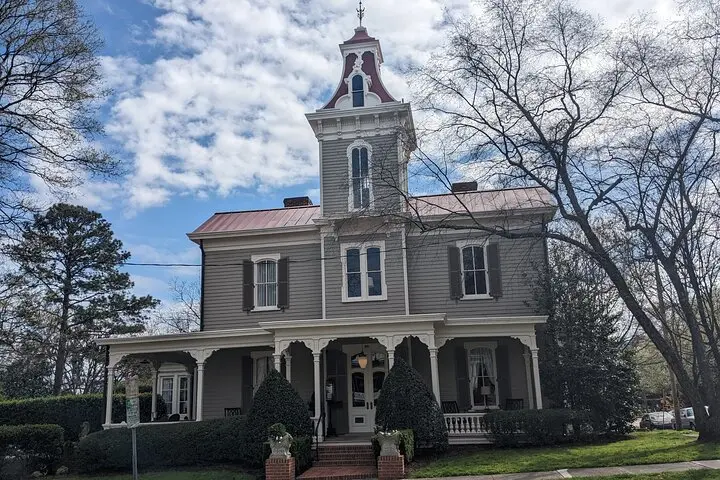
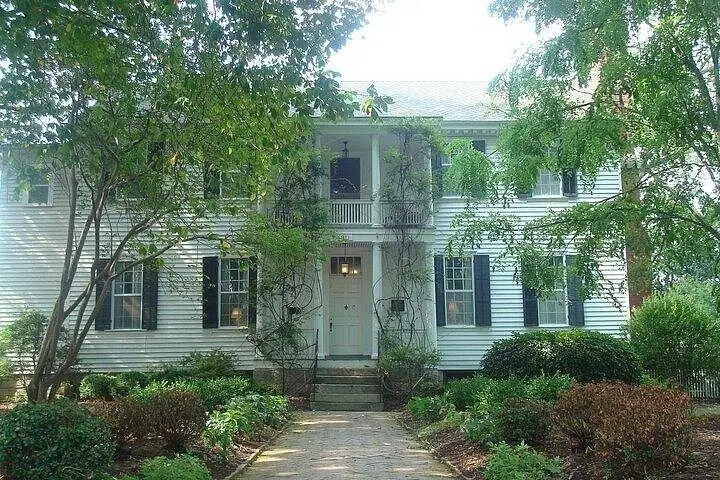
The tour threads colonial and Civil War-era stories through modern developments: the Legislative Building's classical columns, Victorian homes in Oakwood, and the repurposed fields of Dorothea Dix Park — once a plantation and asylum, now a public green with wide views. Geologically modest coastal plain loam gives way to urban hills carved by small streams; the landscape is city-first but shaped by water and rail. Culture shows in the City Market stalls, museum galleries, and the afternoon stop at the JC Raulston Arboretum where curated plantings hint at the region's horticultural ambitions.
Practical planning is straightforward. Expect a blend of short walks and drives over 6–7 hours, with multiple stops for photos, light walking on paved and compacted surfaces, and at least one guaranteed sit-down for discussion or light tasting. The historian role adds context — legislative anecdotes, architectural dates, and restaurant origins — so bring a charged phone and a notepad if you want names and addresses.
Accessibility is good: vehicles are air-conditioned and many sites are wheelchair friendly, but historic streets can have uneven surfaces. Hydrate and wear shoes for both pavement and park grass. Arrive with questions; the pace encourages conversation and gives a clear, grounded view of Raleigh's layers.
Yes—the vehicle and many sites are wheelchair accessible, though some historic sidewalks and certain heritage sites have uneven surfaces.
The itinerary highlights restaurants and City Market but only includes light stops; full meals are usually at your discretion or at designated break points.
Expect several short walks of 10–20 minutes at stops plus moving between vehicle and sites—overall activity is low-impact spread over the day.
Guides are historian-led and often adjust emphasis toward architecture, food, or civic history when possible—note preferences when booking.
Triangle Walking Tours operates guided outdoor trips and adventures with an emphasis on safety, stewardship, and memorable experiences.

You step out under Raleigh's broad oaks and the day opens like a city-sized map. The historian-guide moves between parked car and cobbled street, pointing out brick façades and plaques, letting the city's past and present trade places in quick succession.
You step out under Raleigh's broad oaks and the day opens like a city-sized map. The historian-guide moves between parked car and cobbled street, pointing out brick façades and plaques, letting the city's past and present trade places in quick succession.
The tour threads colonial and Civil War-era stories through modern developments: the Legislative Building's classical columns, Victorian homes in Oakwood, and the repurposed fields of Dorothea Dix Park — once a plantation and asylum, now a public green with wide views. Geologically modest coastal plain loam gives way to urban hills carved by small streams; the landscape is city-first but shaped by water and rail. Culture shows in the City Market stalls, museum galleries, and the afternoon stop at the JC Raulston Arboretum where curated plantings hint at the region's horticultural ambitions.
Practical planning is straightforward. Expect a blend of short walks and drives over 6–7 hours, with multiple stops for photos, light walking on paved and compacted surfaces, and at least one guaranteed sit-down for discussion or light tasting. The historian role adds context — legislative anecdotes, architectural dates, and restaurant origins — so bring a charged phone and a notepad if you want names and addresses.
Accessibility is good: vehicles are air-conditioned and many sites are wheelchair friendly, but historic streets can have uneven surfaces. Hydrate and wear shoes for both pavement and park grass. Arrive with questions; the pace encourages conversation and gives a clear, grounded view of Raleigh's layers.