THE ADVENTURE COLLECTIVE® · Independent discovery and booking for outdoor travel

Trace the Ramayana across Sri Lanka on a private seven-day pilgrimage that moves from Sigiriya’s cave shrines to the highland tea estates of Nuwara Eliya and the sacred streams of Kataragama. This tour blends driving days with short temple climbs and cultural encounters.
Trace the Ramayana across Sri Lanka on a private seven-day pilgrimage that moves from Sigiriya’s cave shrines to the highland tea estates of Nuwara Eliya and the sacred streams of Kataragama. This tour blends driving days with short temple climbs and cultural encounters.
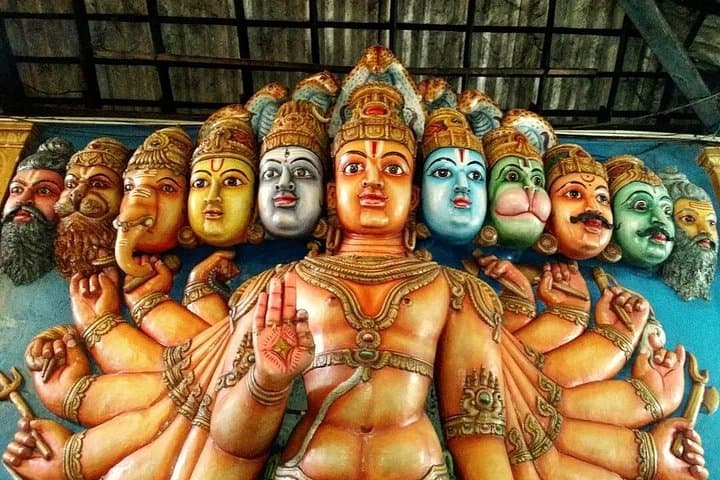
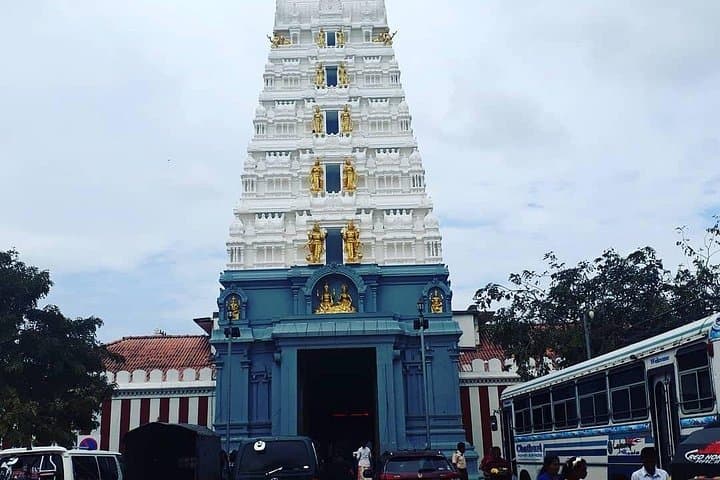
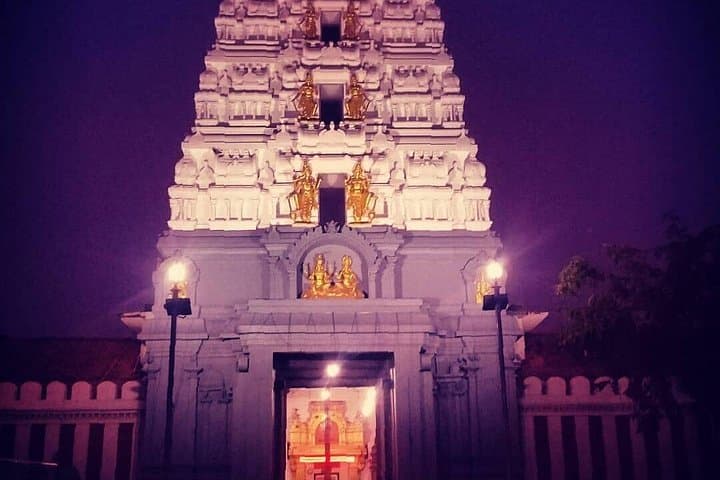
You step off the plane into a humidity that presses gently against your shirt and the air seems to remember old stories. A driver from Real Lanka waits with a nameplate, and within an hour the coastline slips away and the island opens into a green, lived-in countryside—paddy fields like low mirrors, roadside shrines, and the first glimpses of rock outcrops that carry legends. This is not a single place but a route through myth: Sigiriya’s cave where a heroine is said to have been held, the mossy steps to a mountain shrine in Ritigala, hot springs with their own origin story, and the small stream-side Seetha Amman Temple where footprints are shown as proof of divine drama.
Verified experiences and guided adventures in the surrounding area.
Operated by Real Lanka Holidays · Sigiriya, Central Province
You step off the plane into a humidity that presses gently against your shirt and the air seems to remember old stories. A driver from Real Lanka waits with a nameplate, and within an hour the coastline slips away and the island opens into a green, lived-in countryside—paddy fields like low mirrors, roadside shrines, and the first glimpses of rock outcrops that carry legends. This is not a single place but a route through myth: Sigiriya’s cave where a heroine is said to have been held, the mossy steps to a mountain shrine in Ritigala, hot springs with their own origin story, and the small stream-side Seetha Amman Temple where footprints are shown as proof of divine drama.
The Ramayana Epic Tour folds history and landscape into travel. You move between colonial forts and highland tea estates, between ancient Buddhist cave paintings and Hindu temples layered with centuries of pilgrimage. Geologically, the island alternates between exposed Precambrian gneiss and laterite plains; places like Sigiriya and the Ritigala massif are harder rock that rise above the plains, offering abrupt cliffs and caves that feel almost theatrical against the lowlands.
Culturally, the journey reads like a living text: Hindu rites, Tamil and Sinhala traditions, and oral histories that animate each stop. Kandy’s lake and the Temple of the Tooth remind you how Sri Lanka’s religious geography is stitched into its political history, while Nuwara Eliya’s tea plantations reveal a British-era economy that reshaped the hills and livelihoods.
Practical side: this is a driving tour with short, often steep walks at sites. Expect several long transfers—2–4 hours between major stops—and brief climbs at Sigiriya and temple cliff sites that include uneven steps and metal ladders in places. Wear grippy shoes for these approaches; many temple complexes require removing footwear and observing modest dress codes. Temperatures vary: coastal plains are warm and humid, the central highlands (Nuwara Eliya, ~1,868 m elevation) are cool and can be damp in the early morning.
Plan your days around light: mornings and late afternoons make temple murals and rock frescoes glow, while midday is best for shorter museum or market visits. Hydrate frequently on drives and carry cash for small offerings, local snacks, and entrance fees—some sites are remote and card payments are not guaranteed. Vegetarian meals can be arranged, and the operator can time visits to coincide with temple prayers if requested. Accessibility is mixed: vehicles and many hotels can accommodate mobility needs, but some sacred sites involve stairs or slippery paths.
At the end of a day you’ll have more than photos: you’ll have mapped a sequence of places that shaped an epic. The travel element—long drives, temple courtyards, a hot spring dip—keeps the pilgrimage practical and human, with plenty of space for the landscape to press its own narrative into the journey.
Yes—this is a cultural and historical route open to all travelers; guides provide context for rituals and sites and timings can be adjusted for group preferences.
Walking is generally light: short walks, stair climbs at temples and rock sites; the longest exertions are Sigiriya’s ascent and shorter cliff steps at Ritigala.
Yes. The operator can arrange vegetarian menus and accommodate dietary restrictions with advance notice.
Some hotels and transport are wheelchair accessible, but many temple complexes and rock sites have steps or uneven paths—check specifics for each stop in advance.
The tour includes an English/Hindi/Tamil speaking chauffeur-guide as listed in inclusions.
Pickup and drop-off can be arranged from Colombo Bandaranaike International Airport; travel time to Dambulla/Habarana on day one is roughly 3–4 hours depending on traffic.
Real Lanka Holidays operates guided outdoor trips and adventures with an emphasis on safety, stewardship, and memorable experiences.
You step off the plane into a humidity that presses gently against your shirt and the air seems to remember old stories. A driver from Real Lanka waits with a nameplate, and within an hour the coastline slips away and the island opens into a green, lived-in countryside—paddy fields like low mirrors, roadside shrines, and the first glimpses of rock outcrops that carry legends. This is not a single place but a route through myth: Sigiriya’s cave where a heroine is said to have been held, the mossy steps to a mountain shrine in Ritigala, hot springs with their own origin story, and the small stream-side Seetha Amman Temple where footprints are shown as proof of divine drama.
You step off the plane into a humidity that presses gently against your shirt and the air seems to remember old stories. A driver from Real Lanka waits with a nameplate, and within an hour the coastline slips away and the island opens into a green, lived-in countryside—paddy fields like low mirrors, roadside shrines, and the first glimpses of rock outcrops that carry legends. This is not a single place but a route through myth: Sigiriya’s cave where a heroine is said to have been held, the mossy steps to a mountain shrine in Ritigala, hot springs with their own origin story, and the small stream-side Seetha Amman Temple where footprints are shown as proof of divine drama.
The Ramayana Epic Tour folds history and landscape into travel. You move between colonial forts and highland tea estates, between ancient Buddhist cave paintings and Hindu temples layered with centuries of pilgrimage. Geologically, the island alternates between exposed Precambrian gneiss and laterite plains; places like Sigiriya and the Ritigala massif are harder rock that rise above the plains, offering abrupt cliffs and caves that feel almost theatrical against the lowlands.
Culturally, the journey reads like a living text: Hindu rites, Tamil and Sinhala traditions, and oral histories that animate each stop. Kandy’s lake and the Temple of the Tooth remind you how Sri Lanka’s religious geography is stitched into its political history, while Nuwara Eliya’s tea plantations reveal a British-era economy that reshaped the hills and livelihoods.
Practical side: this is a driving tour with short, often steep walks at sites. Expect several long transfers—2–4 hours between major stops—and brief climbs at Sigiriya and temple cliff sites that include uneven steps and metal ladders in places. Wear grippy shoes for these approaches; many temple complexes require removing footwear and observing modest dress codes. Temperatures vary: coastal plains are warm and humid, the central highlands (Nuwara Eliya, ~1,868 m elevation) are cool and can be damp in the early morning.
Plan your days around light: mornings and late afternoons make temple murals and rock frescoes glow, while midday is best for shorter museum or market visits. Hydrate frequently on drives and carry cash for small offerings, local snacks, and entrance fees—some sites are remote and card payments are not guaranteed. Vegetarian meals can be arranged, and the operator can time visits to coincide with temple prayers if requested. Accessibility is mixed: vehicles and many hotels can accommodate mobility needs, but some sacred sites involve stairs or slippery paths.
At the end of a day you’ll have more than photos: you’ll have mapped a sequence of places that shaped an epic. The travel element—long drives, temple courtyards, a hot spring dip—keeps the pilgrimage practical and human, with plenty of space for the landscape to press its own narrative into the journey.