THE ADVENTURE COLLECTIVE® · Independent discovery and booking for outdoor travel

Taste Ofuna’s everyday ramen on a focused 90-minute crawl through two local shops. Expect hearty Iekei, inventive aburasoba, and practical tips for ordering, payment, and timing.
Taste Ofuna’s everyday ramen on a focused 90-minute crawl through two local shops. Expect hearty Iekei, inventive aburasoba, and practical tips for ordering, payment, and timing.
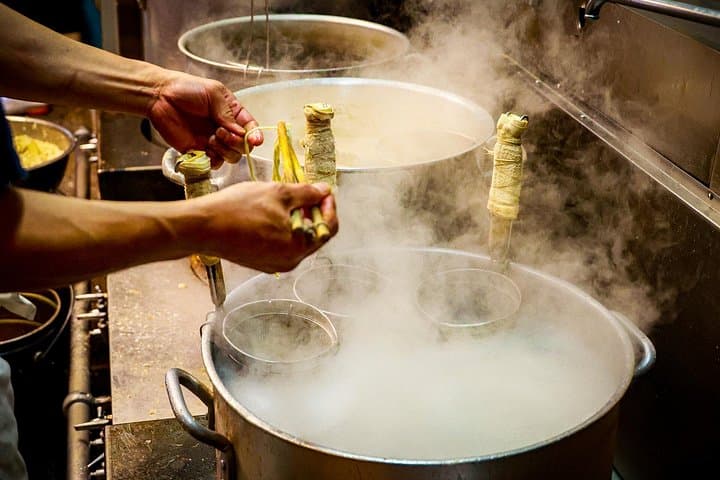
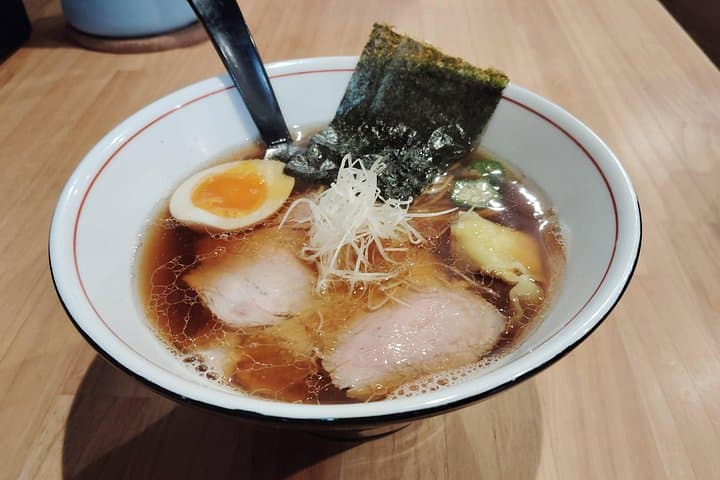
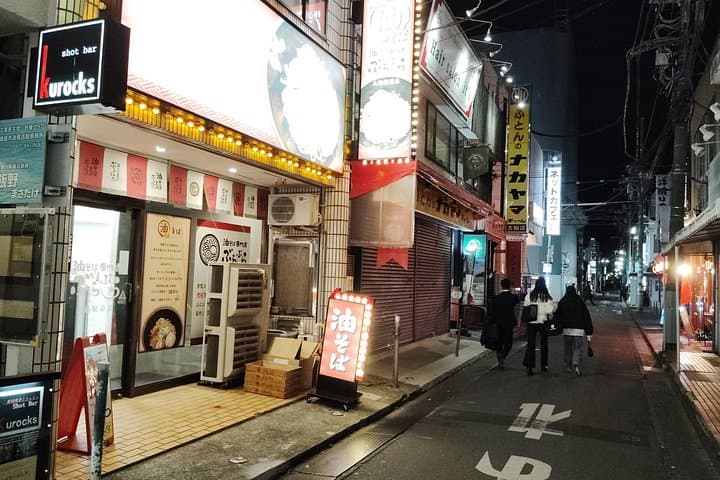
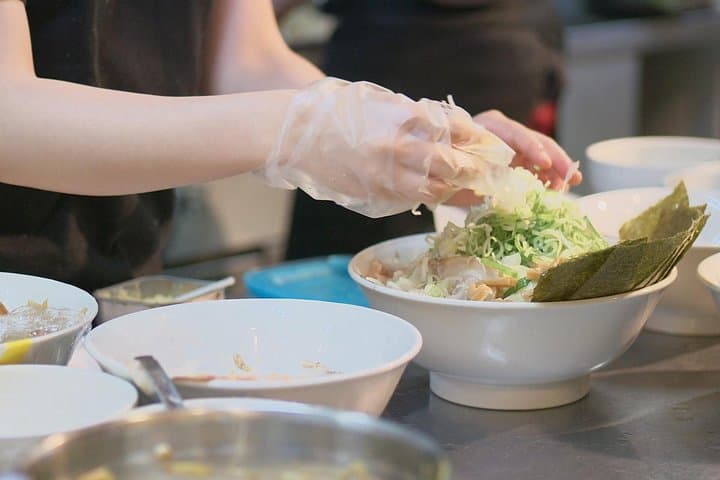
A narrow street off Ofuna Station hums with steam and the clatter of bowls. You follow the aroma—soy, pork fat, toasted garlic—into two small shops where locals queue at counters and chefs call orders in quick, practiced cadence. This is a short, focused crawl: two kitchens, two distinct approaches to ramen, and enough local color to make the 90 minutes feel like a deep, delicious detour.
Verified experiences and guided adventures in the surrounding area.
Operated by DeepExperience · Kamakura, Kanagawa
A narrow street off Ofuna Station hums with steam and the clatter of bowls. You follow the aroma—soy, pork fat, toasted garlic—into two small shops where locals queue at counters and chefs call orders in quick, practiced cadence. This is a short, focused crawl: two kitchens, two distinct approaches to ramen, and enough local color to make the 90 minutes feel like a deep, delicious detour.
Ofuna sits at the northern edge of the Shonan coastal plain, a practical transport hub that grew around the railway in the early 20th century. Geologically the area is flat, fed by rivers from nearby hills, which helped settlements and food culture concentrate here. Ramen styles in this corner reflect Yokohama and coastal Kanagawa influences—thicker, richer Iekei broths rubbed with pork fat, experimental brothless aburasoba, and lighter soy or salt-based bowls favored by seaside diners. The culture is everyday: neighborhood shops where regulars order without looking and chefs remember faces.
Practical guidance: arrive hungry but flexible—ramen portions can be generous. Expect limited seating and close quarters; the pace is fast and informal. Bring cash—many smaller shops prefer yen, though some accept cards. If you have dietary restrictions, ask the guide beforehand; vegetarian ramen exists but is rarer. Peak times are lunch and early evening: a mid-afternoon slot will be quieter. Wear comfortable shoes for short walks between stops, and plan for about 90 minutes total. This crawl is wheelchair accessible and family-friendly, but be prepared for narrow interiors. By the end, you’ll understand how subtle shifts—oil, tare, noodle texture—define local comfort food and why Ofuna remains a favorite among Shonan residents.
Vegetarian options are limited in traditional ramen shops; notify the operator before booking so the guide can confirm availability or suggest alternatives.
The tour listing notes wheelchair accessibility, but some interiors have narrow passages; contact the operator to confirm specific shop layouts in advance.
Some larger shops accept cards, but smaller local spots often prefer cash—bring yen to avoid issues.
This crawl includes two ramen servings designed to sample different styles—portions are typical bowl size and generally filling for most adults.
DeepExperience operates guided outdoor trips and adventures with an emphasis on safety, stewardship, and memorable experiences.
A narrow street off Ofuna Station hums with steam and the clatter of bowls. You follow the aroma—soy, pork fat, toasted garlic—into two small shops where locals queue at counters and chefs call orders in quick, practiced cadence. This is a short, focused crawl: two kitchens, two distinct approaches to ramen, and enough local color to make the 90 minutes feel like a deep, delicious detour.
A narrow street off Ofuna Station hums with steam and the clatter of bowls. You follow the aroma—soy, pork fat, toasted garlic—into two small shops where locals queue at counters and chefs call orders in quick, practiced cadence. This is a short, focused crawl: two kitchens, two distinct approaches to ramen, and enough local color to make the 90 minutes feel like a deep, delicious detour.
Ofuna sits at the northern edge of the Shonan coastal plain, a practical transport hub that grew around the railway in the early 20th century. Geologically the area is flat, fed by rivers from nearby hills, which helped settlements and food culture concentrate here. Ramen styles in this corner reflect Yokohama and coastal Kanagawa influences—thicker, richer Iekei broths rubbed with pork fat, experimental brothless aburasoba, and lighter soy or salt-based bowls favored by seaside diners. The culture is everyday: neighborhood shops where regulars order without looking and chefs remember faces.
Practical guidance: arrive hungry but flexible—ramen portions can be generous. Expect limited seating and close quarters; the pace is fast and informal. Bring cash—many smaller shops prefer yen, though some accept cards. If you have dietary restrictions, ask the guide beforehand; vegetarian ramen exists but is rarer. Peak times are lunch and early evening: a mid-afternoon slot will be quieter. Wear comfortable shoes for short walks between stops, and plan for about 90 minutes total. This crawl is wheelchair accessible and family-friendly, but be prepared for narrow interiors. By the end, you’ll understand how subtle shifts—oil, tare, noodle texture—define local comfort food and why Ofuna remains a favorite among Shonan residents.