THE ADVENTURE COLLECTIVE® · Independent discovery and booking for outdoor travel

A day hike that begins at a hillside Ganesh shrine and moves through village lanes, forest tracks and ridgeline views of the Kathmandu Valley. Expect cultural encounters, tea stops, and full-day walking on mixed terrain.
A day hike that begins at a hillside Ganesh shrine and moves through village lanes, forest tracks and ridgeline views of the Kathmandu Valley. Expect cultural encounters, tea stops, and full-day walking on mixed terrain.
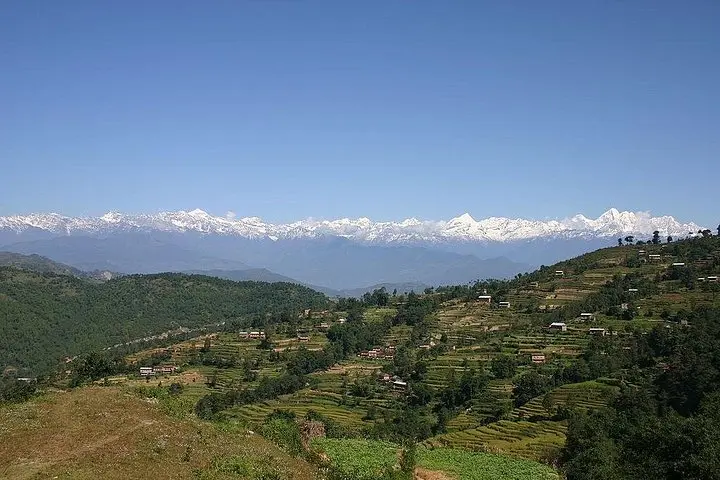
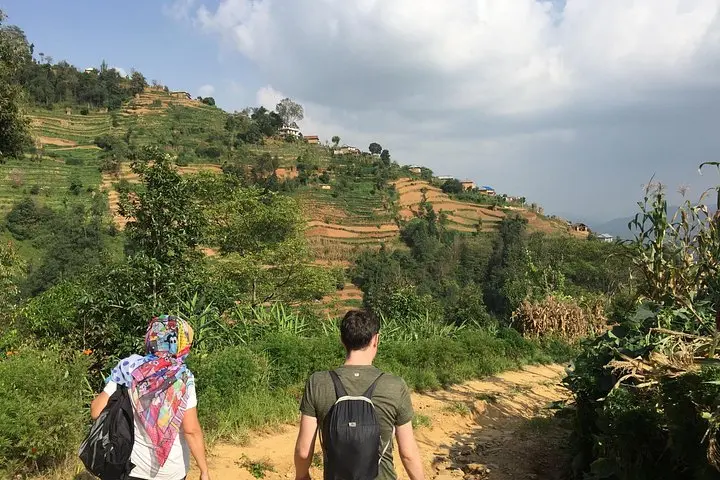
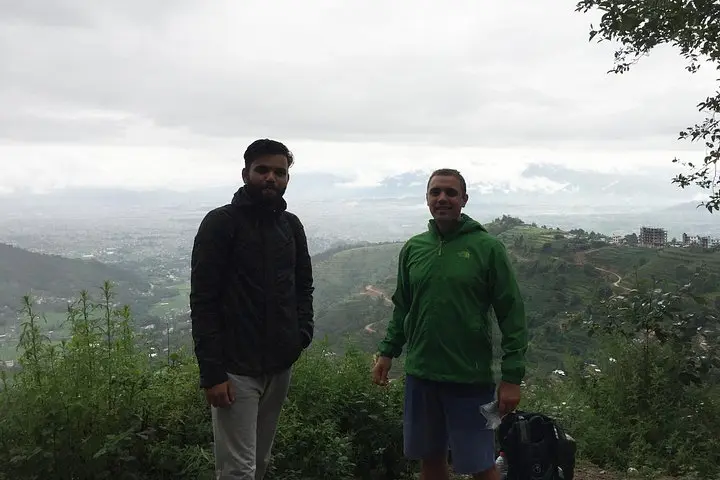
You step off a slow, local bus and the noise of Kathmandu thins; a steep stone lane leads into a green flank where prayer flags flutter above a small Ganesh temple — the unofficial trailhead for Ranikot Village hiking. The first steps are a study in contrasts: carved stone rooftops and the domestic bustle of a Newar village give way to narrow forest tracks that open onto clearings with direct views down into the Kathmandu Valley.
Verified experiences and guided adventures in the surrounding area.
Operated by Trekking Trail Nepal · Kathmandu, Bagmati Province
You step off a slow, local bus and the noise of Kathmandu thins; a steep stone lane leads into a green flank where prayer flags flutter above a small Ganesh temple — the unofficial trailhead for Ranikot Village hiking. The first steps are a study in contrasts: carved stone rooftops and the domestic bustle of a Newar village give way to narrow forest tracks that open onto clearings with direct views down into the Kathmandu Valley.
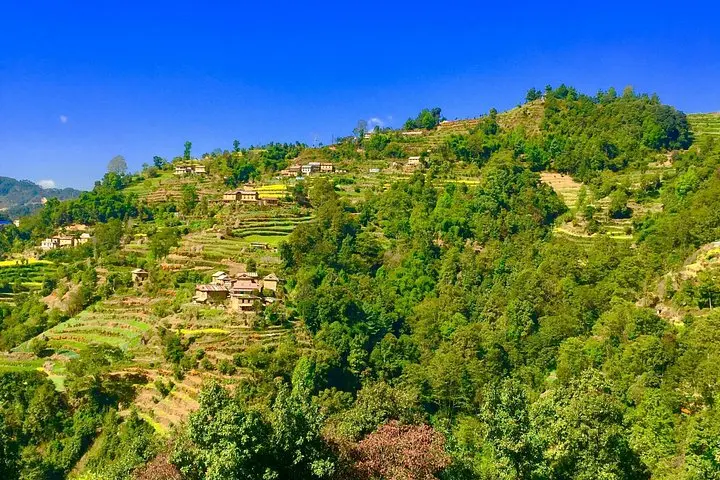
The trail threads local history and living culture. Panauti and Bhaktapur — ancient Newar settlements nearby — shaped the region’s courtyard architecture and ritual calendar, and the Ganesh shrine you pass is part of that ritual map, busy on Tuesdays with pilgrims. Geologically, the ridgelines are weathered sedimentary slopes that shed into terraced farms; expect quick changes in footing as village stone meets packed earth and leaf-littered trails.
Culturally the hike is as much about observing daily life as it is about scenery: women tending terraces, children guiding goats, tea offered at roadside bhattis. The walk rewards patience with broad valley viewpoints and birdsong — Himalayan bulbul and kingfisher calls are common.
Practical guidance: this is a full-day, mostly non-technical hike (plan 8–9 hours including public transport and lunch). Wear supportive hiking shoes for short, steep pitches and loose stones; bring 2–3L water, sun protection, and cash for a village tea stop. Start early to avoid midday heat and coordinate pickup times; the route is best done with a local guide who knows seasonal mud and temple schedules.
Expect a full-day outing of about 8–9 hours including transport; the route is non-technical with some short, steep pitches but suitable for most fitness levels.
A local guide is recommended to navigate village lanes, explain cultural sites like the Ganesh temple, and advise on seasonal trail conditions.
The trip typically includes bottled water, tea/coffee, and a traditional vegetarian buffet lunch served in a village or local restaurant.
The tour commonly uses public transport for the rural transfer; confirm pickup/drop-off details with the operator and carry small change for local buses if returning independently.
Trekking Trail Nepal operates guided outdoor trips and adventures with an emphasis on safety, stewardship, and memorable experiences.
You step off a slow, local bus and the noise of Kathmandu thins; a steep stone lane leads into a green flank where prayer flags flutter above a small Ganesh temple — the unofficial trailhead for Ranikot Village hiking. The first steps are a study in contrasts: carved stone rooftops and the domestic bustle of a Newar village give way to narrow forest tracks that open onto clearings with direct views down into the Kathmandu Valley.
You step off a slow, local bus and the noise of Kathmandu thins; a steep stone lane leads into a green flank where prayer flags flutter above a small Ganesh temple — the unofficial trailhead for Ranikot Village hiking. The first steps are a study in contrasts: carved stone rooftops and the domestic bustle of a Newar village give way to narrow forest tracks that open onto clearings with direct views down into the Kathmandu Valley.
The trail threads local history and living culture. Panauti and Bhaktapur — ancient Newar settlements nearby — shaped the region’s courtyard architecture and ritual calendar, and the Ganesh shrine you pass is part of that ritual map, busy on Tuesdays with pilgrims. Geologically, the ridgelines are weathered sedimentary slopes that shed into terraced farms; expect quick changes in footing as village stone meets packed earth and leaf-littered trails.
Culturally the hike is as much about observing daily life as it is about scenery: women tending terraces, children guiding goats, tea offered at roadside bhattis. The walk rewards patience with broad valley viewpoints and birdsong — Himalayan bulbul and kingfisher calls are common.
Practical guidance: this is a full-day, mostly non-technical hike (plan 8–9 hours including public transport and lunch). Wear supportive hiking shoes for short, steep pitches and loose stones; bring 2–3L water, sun protection, and cash for a village tea stop. Start early to avoid midday heat and coordinate pickup times; the route is best done with a local guide who knows seasonal mud and temple schedules.