
Ranthambhore National Park Day Safari from Jaipur — Tigers, Forts, and Dry-Deciduous Wilderness
A full-day safari from Jaipur to Ranthambhore delivers close encounters with dry‑deciduous forest, shallow lakes, and the chance to spot Bengal tigers. Practical tips on permits, timing, and what to bring help you make the most of the afternoon safari window.
An Adventure In Sawai Madhopur.
A full-day safari from Jaipur to Ranthambhore delivers close encounters with dry‑deciduous forest, shallow lakes, and the chance to spot Bengal tigers. Practical tips on permits, timing, and what to bring help you make the most of the afternoon safari window.
Read the full experience
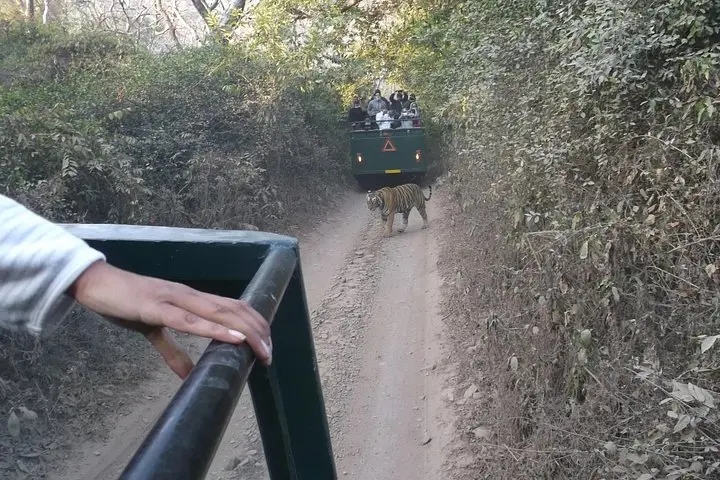
You step out of the car into heat that smells of dust and sun-warmed teak; the call of peafowl threads through the trees and a distant cliff holds the silhouette of Ranthambhore Fort. The park opens like a map of shallow lakes (talao), granite outcrops and corridors of dry‑deciduous forest, where light slips between trunks and a jeep track becomes a line of possibility.
You step out of the car into heat that smells of dust and sun-warmed teak; the call of peafowl threads through the trees and a distant cliff holds the silhouette of Ranthambhore Fort. The park opens like a map of shallow lakes (talao), granite outcrops and corridors of dry‑deciduous forest, where light slips between trunks and a jeep track becomes a line of possibility.
Once a royal hunting preserve for the Maharajas of Jaipur, Ranthambhore was later absorbed into India’s conservation network during the Project Tiger era in the 1970s. Geologically the reserve rests on ancient Vindhyan and Aravalli-related rock, the landscape sculpted into bouldered ridgelines and seasonal wetlands that concentrate wildlife.
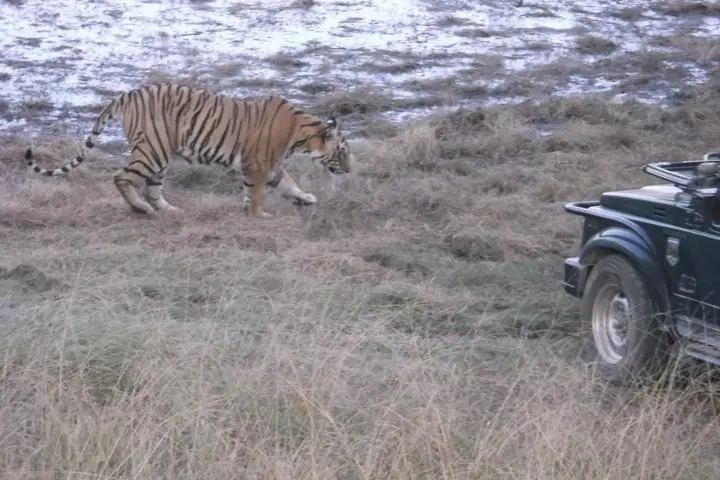
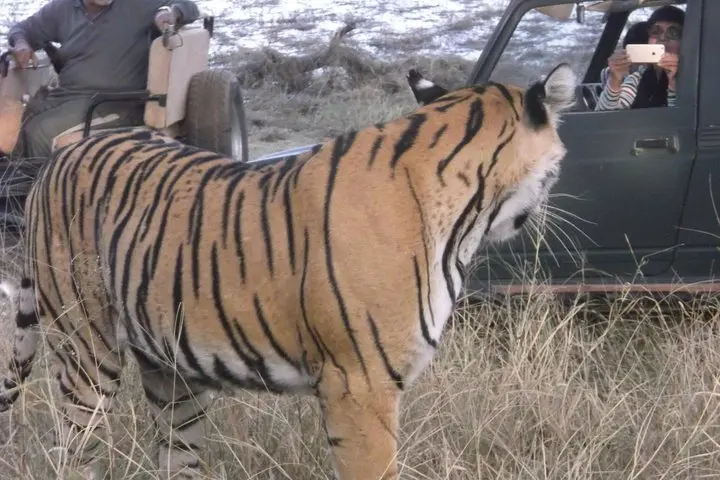
Local communities in Sawai Madhopur maintain a living connection to the park—temple rituals by the fort, markets selling jaggery and roadside chai—and your guide will often translate both language and landscape. Expect open grasslands that dare tigers to expose themselves and shallow lakes that pull in birds at dusk.
Practically: this is a long day from Jaipur (roughly 3–4 hours each way). Safari permits and park entry are purchased separately at the forest office; zone closures occur in the monsoon (roughly July–October). Safaris run in set slots—this tour’s afternoon window is about 2:30–5:30pm—so aim for light layers, good binoculars and patience. Keep water and sun protection accessible, follow your guide’s instructions, and minimize noise—animals respond to silence. If you want a closer look at history, plan an extra hour to walk parts of Ranthambhore Fort at the park edge before heading back to Jaipur.
Frequently asked questions
Park entry and vehicle/zone permits are handled by the Rajasthan Forest Department and are often purchased on arrival; during peak season it's wise to secure permits in advance when possible.
Early morning and late afternoon drives (cooler periods) generally give the best odds; many visitors see activity during the park’s afternoon slot around 2:30–5:30pm.
Yes, children can join but must be accompanied by an adult; operators may require ID and there are vehicle seat limits for safety.
Several zones are seasonally closed—typically from about July to early October—so check current forest notifications before booking.
About This Experience
TRAVEL 2 INDIA 2 RAJASTHAN ( Indian Off-Road Tours ) operates guided outdoor trips and adventures with an emphasis on safety, stewardship, and memorable experiences.
Adventure tips
Recommended gear
- Binoculars: Helps spot tigers, deer and birds at distance from the jeep.
- Wide‑brim hat and sunscreen: Sun protection is essential during long waits and open jeep drives.
- Light layers or windbreaker: Evenings can cool rapidly after sunset, especially in winter months.
- Sturdy closed shoes: Useful for brief walks around lodges, rocky viewpoints and boarding jeeps.
Photos of the experience
Related adventures & guides
Read the full experience
You step out of the car into heat that smells of dust and sun-warmed teak; the call of peafowl threads through the trees and a distant cliff holds the silhouette of Ranthambhore Fort. The park opens like a map of shallow lakes (talao), granite outcrops and corridors of dry‑deciduous forest, where light slips between trunks and a jeep track becomes a line of possibility.
You step out of the car into heat that smells of dust and sun-warmed teak; the call of peafowl threads through the trees and a distant cliff holds the silhouette of Ranthambhore Fort. The park opens like a map of shallow lakes (talao), granite outcrops and corridors of dry‑deciduous forest, where light slips between trunks and a jeep track becomes a line of possibility.
Once a royal hunting preserve for the Maharajas of Jaipur, Ranthambhore was later absorbed into India’s conservation network during the Project Tiger era in the 1970s. Geologically the reserve rests on ancient Vindhyan and Aravalli-related rock, the landscape sculpted into bouldered ridgelines and seasonal wetlands that concentrate wildlife.
Local communities in Sawai Madhopur maintain a living connection to the park—temple rituals by the fort, markets selling jaggery and roadside chai—and your guide will often translate both language and landscape. Expect open grasslands that dare tigers to expose themselves and shallow lakes that pull in birds at dusk.
Practically: this is a long day from Jaipur (roughly 3–4 hours each way). Safari permits and park entry are purchased separately at the forest office; zone closures occur in the monsoon (roughly July–October). Safaris run in set slots—this tour’s afternoon window is about 2:30–5:30pm—so aim for light layers, good binoculars and patience. Keep water and sun protection accessible, follow your guide’s instructions, and minimize noise—animals respond to silence. If you want a closer look at history, plan an extra hour to walk parts of Ranthambhore Fort at the park edge before heading back to Jaipur.
Make a day of it nearby.
Verified experiences and guided adventures in the surrounding area.