THE ADVENTURE COLLECTIVE® · Independent discovery and booking for outdoor travel

A full-day canter safari from Jaipur to Ranthambore offers one of India’s best tiger-viewing opportunities. Read practical tips on timing, permits, and what to expect on the drive and inside the park.
A full-day canter safari from Jaipur to Ranthambore offers one of India’s best tiger-viewing opportunities. Read practical tips on timing, permits, and what to expect on the drive and inside the park.
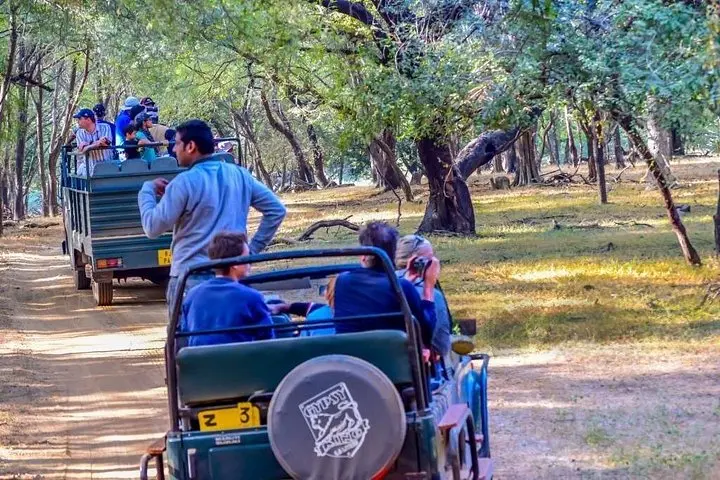
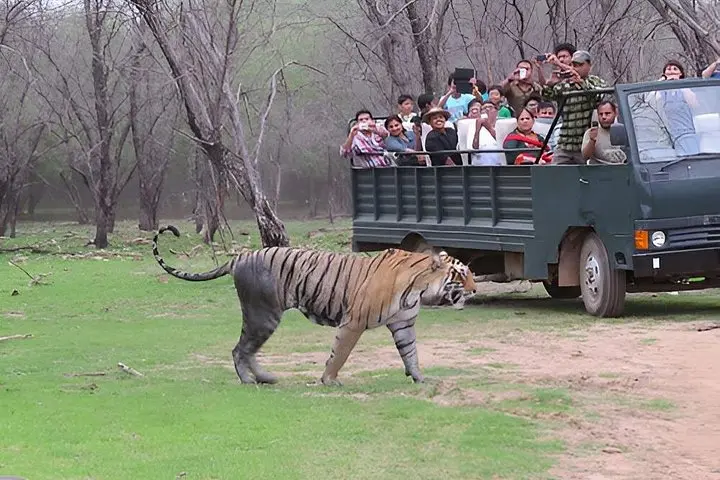
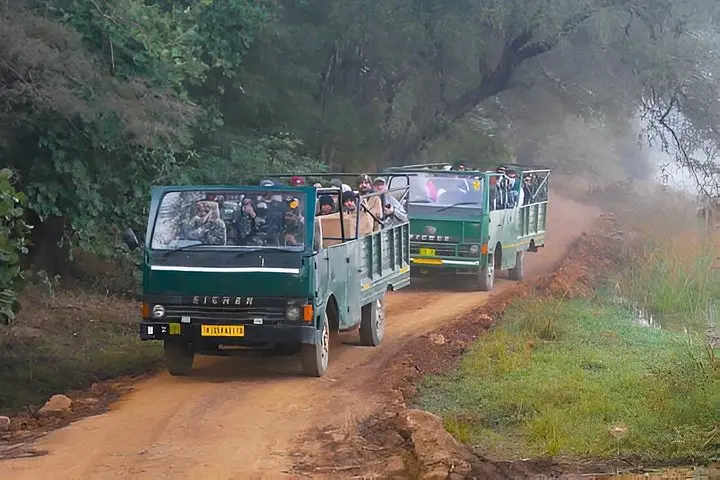
You bump along the highway as dawn thins the desert heat, the air turning green and sharp as you approach the scrub and rocky outcrops of Ranthambore. By the time the sun lifts, the canter rumbles into a clearing and the forest exhales—birds flare, langurs chatter, and every scrub tree seems to be watching.
Verified experiences and guided adventures in the surrounding area.
Operated by Drive To India · Sawai Madhopur, Rajasthan
You bump along the highway as dawn thins the desert heat, the air turning green and sharp as you approach the scrub and rocky outcrops of Ranthambore. By the time the sun lifts, the canter rumbles into a clearing and the forest exhales—birds flare, langurs chatter, and every scrub tree seems to be watching.
Ranthambore sits at the junction of the Aravalli and Vindhya ranges; granite ridges and seasonal lakes create pockets of dense forest and sunlit grassland. Once the Maharajas’ royal hunting grounds, the area became a protected reserve in the 1950s, joined Project Tiger in the 1970s and was designated a national park in 1980. Local culture around Sawai Madhopur still carries Rajput and Mughal echoes—temple ruins and the Ranthambore Fort rising above the park speak to a layered past.
On a standard day trip from Jaipur expect a 3–4 hour drive each way and a 3.5-hour canter safari inside designated zones. Forest officials randomly allocate zones and vehicles; sightings are never guaranteed, but mornings and late afternoons concentrate animal activity. The terrain is a mix of dry deciduous woods, marshy lake edges and granite outcrops—comfortable shoes with good grip, a pair of binoculars, and sunscreen are practical musts.
Plan for early starts, carry ID and passport details for booking, and respect park rules: stay in the vehicle, keep noise low, and avoid litter. Hydrate, set realistic expectations, and let the forest do the rest—its quiet patience often rewards those who watch closely.
Typical canter safaris are about 3.5 hours split between morning or afternoon slots—check slot times for your travel dates.
No; zones and vehicles are allotted by forest authorities at entry and cannot be requested or changed by guests.
No; sightings depend on animal movement, weather, and luck—early mornings and late afternoons increase chances but are never certain.
Passport details and a recent photo are mandatory for safari permits; carry the same ID used at booking for check-in.
Drive To India operates guided outdoor trips and adventures with an emphasis on safety, stewardship, and memorable experiences.

You bump along the highway as dawn thins the desert heat, the air turning green and sharp as you approach the scrub and rocky outcrops of Ranthambore. By the time the sun lifts, the canter rumbles into a clearing and the forest exhales—birds flare, langurs chatter, and every scrub tree seems to be watching.
You bump along the highway as dawn thins the desert heat, the air turning green and sharp as you approach the scrub and rocky outcrops of Ranthambore. By the time the sun lifts, the canter rumbles into a clearing and the forest exhales—birds flare, langurs chatter, and every scrub tree seems to be watching.
Ranthambore sits at the junction of the Aravalli and Vindhya ranges; granite ridges and seasonal lakes create pockets of dense forest and sunlit grassland. Once the Maharajas’ royal hunting grounds, the area became a protected reserve in the 1950s, joined Project Tiger in the 1970s and was designated a national park in 1980. Local culture around Sawai Madhopur still carries Rajput and Mughal echoes—temple ruins and the Ranthambore Fort rising above the park speak to a layered past.
On a standard day trip from Jaipur expect a 3–4 hour drive each way and a 3.5-hour canter safari inside designated zones. Forest officials randomly allocate zones and vehicles; sightings are never guaranteed, but mornings and late afternoons concentrate animal activity. The terrain is a mix of dry deciduous woods, marshy lake edges and granite outcrops—comfortable shoes with good grip, a pair of binoculars, and sunscreen are practical musts.
Plan for early starts, carry ID and passport details for booking, and respect park rules: stay in the vehicle, keep noise low, and avoid litter. Hydrate, set realistic expectations, and let the forest do the rest—its quiet patience often rewards those who watch closely.