THE ADVENTURE COLLECTIVE® · Independent discovery and booking for outdoor travel

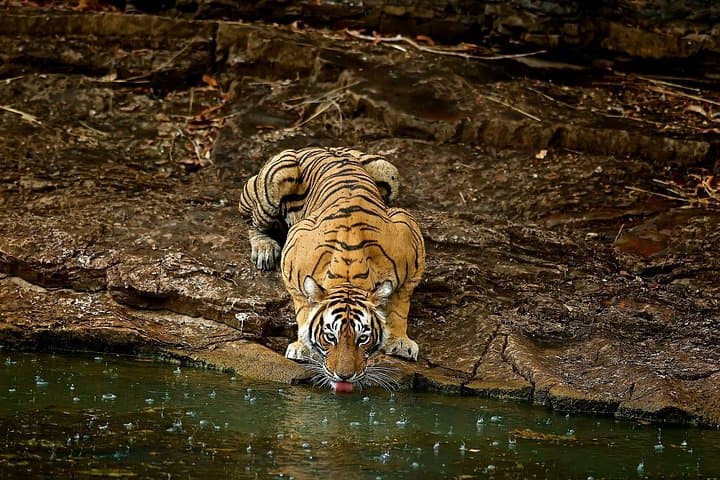
Escape Jaipur for a full‑day safari to Ranthambore Tiger Reserve, where open‑top jeeps and canters search dry riverbeds and waterholes for Bengal tigers and other wildlife. This accessible day trip includes transport, park fees, and a government‑approved naturalist.
Escape Jaipur for a full‑day safari to Ranthambore Tiger Reserve, where open‑top jeeps and canters search dry riverbeds and waterholes for Bengal tigers and other wildlife. This accessible day trip includes transport, park fees, and a government‑approved naturalist.
The road unfurls east from Jaipur: a ribbon of highway past ochre fields and small villages,clocking toward the scrub forests of Ranthambore where stone ruins rise above the canopy and wildlife holds court.
Verified experiences and guided adventures in the surrounding area.
Operated by Royal Jaipur Tours · Sawai Madhopur, Rajasthan
The road unfurls east from Jaipur: a ribbon of highway past ochre fields and small villages,clocking toward the scrub forests of Ranthambore where stone ruins rise above the canopy and wildlife holds court.
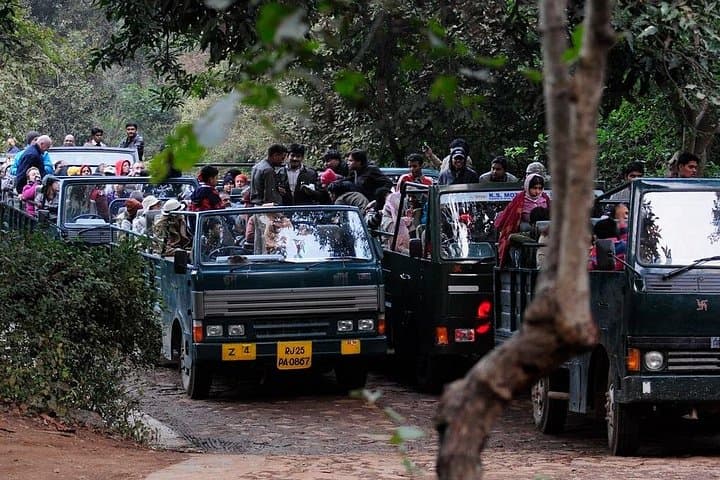
Arrive and the park shifts your rhythm—open-top jeeps and 20‑seater canters push into dry riverbeds, lakes edge with marsh grass, and trails thread around centuries‑old Ranthambore Fort. The reserve sits on Vindhya‑era rock and low hills carved by seasonal streams; the terrain is a mix of dry deciduous forest, grassland patches, and scattered granite outcrops that make for natural tiger vantage points.
Ranthambore’s history blends royal hunting grounds and Mughal connections with modern conservation: once a Maharaja’s hunting preserve, it’s now a core tiger reserve that helped rebuild India’s big‑cat populations. Local villages around Sawai Madhopur offer a window into Rajasthani culture—simple markets, spicy roadside chai, and craftsmen working with leather and pottery.
On a day trip from Jaipur expect a 3–4 hour drive each way, an ID check at the park gate, and a 3‑hour safari slot in either a jeep (6 seats) or canter (20 seats) with a government‑approved naturalist. Morning or afternoon windows matter for sightings; early and late light draw predators to waterholes.
Practical takeaways: wear neutral, breathable clothes, bring binoculars and a zoom camera, carry water and sun protection, and follow ranger instructions—respect the animals, and the forest will reveal its moments.
No safari guarantees a tiger sighting—Ranthambore increases odds relative to many parks, but sightings depend on season, time of day, and luck.
A typical safari lasts about 3 hours and uses either a 6‑seat open jeep (Gypsy) or a 20‑seat open canter, allocated by the park roster system.
Yes—original government photo ID is required for all participants and must be shown at park entry for verification.
Children are allowed but must be accompanied by adults; park rules and safety guidelines apply and vehicle seat availability may vary.
Royal Jaipur Tours operates guided outdoor trips and adventures with an emphasis on safety, stewardship, and memorable experiences.


The road unfurls east from Jaipur: a ribbon of highway past ochre fields and small villages,clocking toward the scrub forests of Ranthambore where stone ruins rise above the canopy and wildlife holds court.
The road unfurls east from Jaipur: a ribbon of highway past ochre fields and small villages,clocking toward the scrub forests of Ranthambore where stone ruins rise above the canopy and wildlife holds court.
Arrive and the park shifts your rhythm—open-top jeeps and 20‑seater canters push into dry riverbeds, lakes edge with marsh grass, and trails thread around centuries‑old Ranthambore Fort. The reserve sits on Vindhya‑era rock and low hills carved by seasonal streams; the terrain is a mix of dry deciduous forest, grassland patches, and scattered granite outcrops that make for natural tiger vantage points.
Ranthambore’s history blends royal hunting grounds and Mughal connections with modern conservation: once a Maharaja’s hunting preserve, it’s now a core tiger reserve that helped rebuild India’s big‑cat populations. Local villages around Sawai Madhopur offer a window into Rajasthani culture—simple markets, spicy roadside chai, and craftsmen working with leather and pottery.
On a day trip from Jaipur expect a 3–4 hour drive each way, an ID check at the park gate, and a 3‑hour safari slot in either a jeep (6 seats) or canter (20 seats) with a government‑approved naturalist. Morning or afternoon windows matter for sightings; early and late light draw predators to waterholes.
Practical takeaways: wear neutral, breathable clothes, bring binoculars and a zoom camera, carry water and sun protection, and follow ranger instructions—respect the animals, and the forest will reveal its moments.