THE ADVENTURE COLLECTIVE® · Independent discovery and booking for outdoor travel

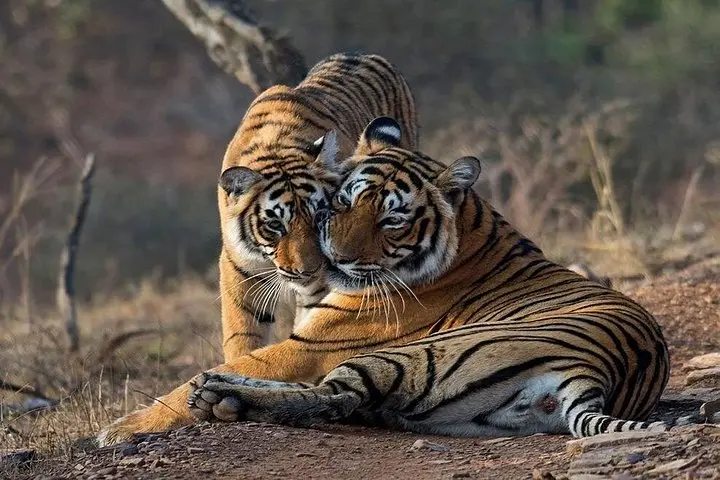
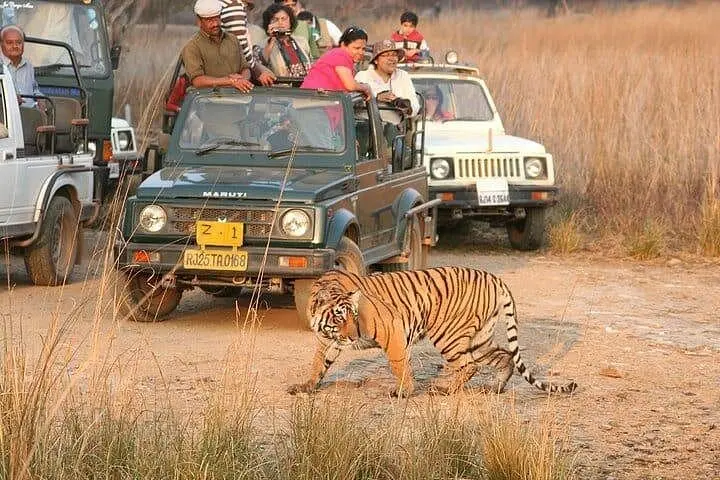
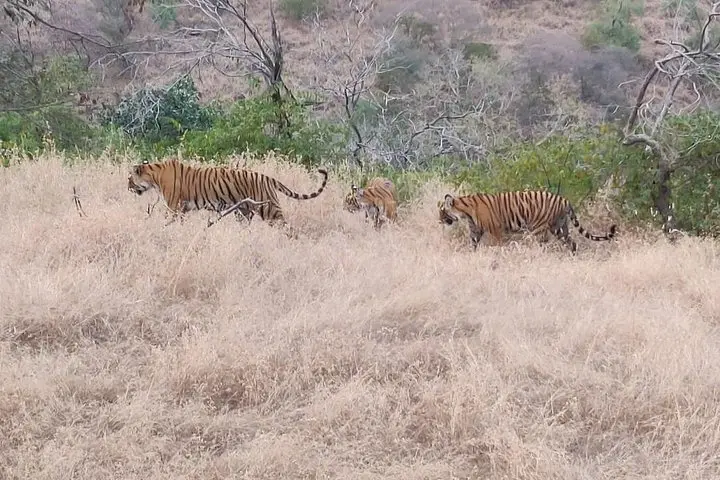
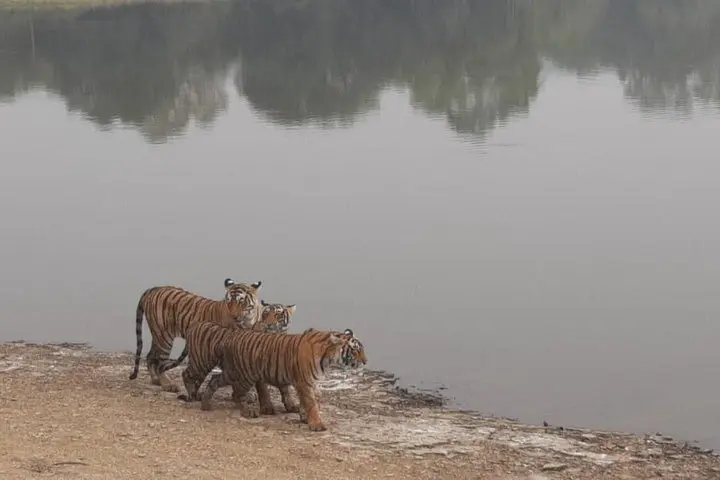
Board a gypsy for a skip-the-line safari in Ranthambore where rocky ridges, seasonal lakes and ruins frame tiger territory. Morning and late-afternoon drives give the best chance to see tigers, deer and birds while guides navigate regulated routes to minimize disturbance.
Board a gypsy for a skip-the-line safari in Ranthambore where rocky ridges, seasonal lakes and ruins frame tiger territory. Morning and late-afternoon drives give the best chance to see tigers, deer and birds while guides navigate regulated routes to minimize disturbance.
The morning light in Ranthambore cuts the thorny silhouettes into sharp ribs across the dry grasses as a gypsy jeep eases onto a dusty track. Birds chatter like an impatient audience; a marsh yawn of water mirrors the pale sky. The jeep’s engine hums and the forest answers—leaf-litter, distant calls, the sense that something large is moving on its own timetable.
Verified experiences and guided adventures in the surrounding area.
Operated by The Ranthambhore Safari Tours · Sawai Madhopur, Rajasthan
The morning light in Ranthambore cuts the thorny silhouettes into sharp ribs across the dry grasses as a gypsy jeep eases onto a dusty track. Birds chatter like an impatient audience; a marsh yawn of water mirrors the pale sky. The jeep’s engine hums and the forest answers—leaf-litter, distant calls, the sense that something large is moving on its own timetable.
Ranthambore sits at the eastern edge of the Aravalli range, a mix of rocky ridges, seasonal lakes and dry deciduous forest carved by monsoon flows. The park began as a royal hunting ground and later joined India’s early conservation efforts under Project Tiger, becoming one of the country’s best places to see the Royal Bengal Tiger in semi-open terrain where ruins and lakes shape tiger movement.
Expect game drives that weave 10–30 km through uneven tracks with minimal elevation change (200–400 m above sea level). Terrain varies from scrub and grassland to granite outcrops and shallow wetland—habitat that gives both predators and prey cover and personality.
Practical guidance: book a morning or late-afternoon safari for the best light and animal activity; carry water, sun protection and a compact pair of binoculars. Wear sturdy closed-toe shoes—the jeep isn’t a smooth ride—and layer for cool mornings that warm quickly.
Respect rules: stay seated, keep noise low and follow your guide’s route to limit disturbance. If you’re lucky, the tiger will appear with the same casual authority that the forest claims every day.
Yes—park entry and safari permits are required; many bookings include the park fees and boarding pass.
Early mornings and late afternoons concentrate tiger activity; drives during these windows offer higher sighting chances.
Safaris are family-friendly but infants should sit on laps and everyone must remain seated—check operator age limits and seat availability.
Private vehicles are not allowed on core safari routes—use authorized gypsies/canters and registered guides to enter the park.
The Ranthambhore Safari Tours operates guided outdoor trips and adventures with an emphasis on safety, stewardship, and memorable experiences.
The morning light in Ranthambore cuts the thorny silhouettes into sharp ribs across the dry grasses as a gypsy jeep eases onto a dusty track. Birds chatter like an impatient audience; a marsh yawn of water mirrors the pale sky. The jeep’s engine hums and the forest answers—leaf-litter, distant calls, the sense that something large is moving on its own timetable.
The morning light in Ranthambore cuts the thorny silhouettes into sharp ribs across the dry grasses as a gypsy jeep eases onto a dusty track. Birds chatter like an impatient audience; a marsh yawn of water mirrors the pale sky. The jeep’s engine hums and the forest answers—leaf-litter, distant calls, the sense that something large is moving on its own timetable.
Ranthambore sits at the eastern edge of the Aravalli range, a mix of rocky ridges, seasonal lakes and dry deciduous forest carved by monsoon flows. The park began as a royal hunting ground and later joined India’s early conservation efforts under Project Tiger, becoming one of the country’s best places to see the Royal Bengal Tiger in semi-open terrain where ruins and lakes shape tiger movement.
Expect game drives that weave 10–30 km through uneven tracks with minimal elevation change (200–400 m above sea level). Terrain varies from scrub and grassland to granite outcrops and shallow wetland—habitat that gives both predators and prey cover and personality.
Practical guidance: book a morning or late-afternoon safari for the best light and animal activity; carry water, sun protection and a compact pair of binoculars. Wear sturdy closed-toe shoes—the jeep isn’t a smooth ride—and layer for cool mornings that warm quickly.
Respect rules: stay seated, keep noise low and follow your guide’s route to limit disturbance. If you’re lucky, the tiger will appear with the same casual authority that the forest claims every day.