THE ADVENTURE COLLECTIVE® · Independent discovery and booking for outdoor travel

See the Taj at sunrise, then follow a pulse of forest roads into Ranthambore for a shared-jeep tiger safari before finishing in Jaipur. This compact 4-day circuit pairs world-class monuments with one of India’s premier wildlife reserves.
See the Taj at sunrise, then follow a pulse of forest roads into Ranthambore for a shared-jeep tiger safari before finishing in Jaipur. This compact 4-day circuit pairs world-class monuments with one of India’s premier wildlife reserves.
The first light slips across the Yamuna as you stand before the Taj Mahal at sunrise — marble cooling from the night, the silhouette sharpening into relief. By the third day you’ll be trading Mughal vistas for the dry deciduous scrub and granite outcrops of Ranthambore, where open-roof jeeps thread silent lines through tall grasses and banyan shadows in pursuit of a tiger’s slow, deliberate life.
Verified experiences and guided adventures in the surrounding area.
Operated by Padma Holidays · Sawai Madhopur, Rajasthan
The first light slips across the Yamuna as you stand before the Taj Mahal at sunrise — marble cooling from the night, the silhouette sharpening into relief. By the third day you’ll be trading Mughal vistas for the dry deciduous scrub and granite outcrops of Ranthambore, where open-roof jeeps thread silent lines through tall grasses and banyan shadows in pursuit of a tiger’s slow, deliberate life.
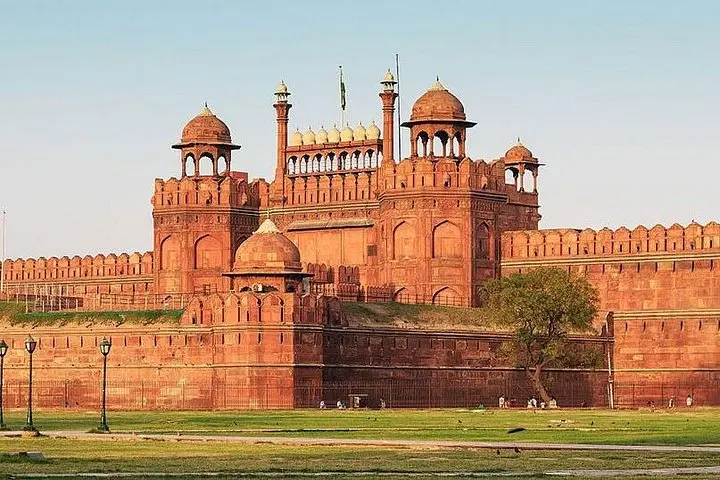
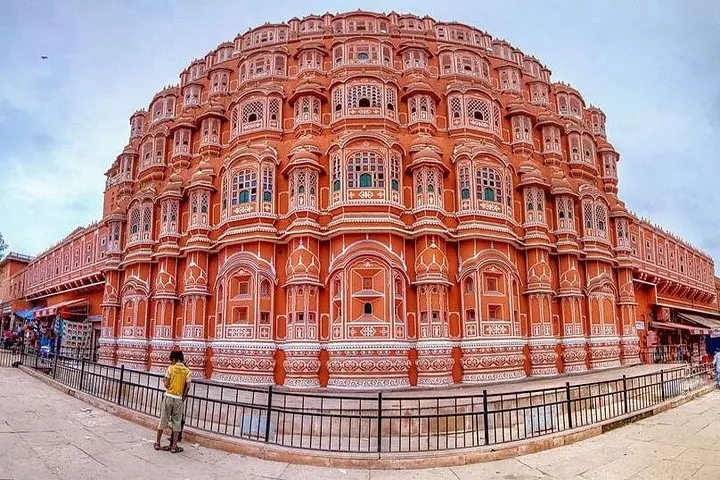
This itinerary stitches together centuries: Mughal Agra with its imperial mausoleums and forts; medieval Rajput hill forts around Jaipur; and Ranthambore’s own 10th–12th century fort, a rocky watchtower above a modern tiger reserve. Geologically, the park sits on low-lying Vindhyan/Aravalli foothills — shallow soils, seasonal tanks, and exposed rock that shape the park’s ponds and viewing points. Locally you’ll encounter market stalls selling marble inlay work in Agra and block-printed textiles in Jaipur, and small Sawai Madhopur villages that service the reserve.
Practical guidance: this is a 4-day loop with long driving legs (Delhi→Agra ≈3–4 hrs; Agra→Ranthambore ≈5 hrs; Ranthambore→Jaipur ≈3 hrs). Safaris run in shared jeeps or canters; arrive at boarding 20 minutes early. Ranthambore closes July 1–Sept 30 for monsoon. Tiger sightings are earned, not promised — guides and zone allocation improve odds but nature decides. Pack binoculars, sun protection, and quiet patience; expect early mornings, uneven tracks, and strict park rules. Follow local guidance, carry minimal plastic, and keep a respectful distance from wildlife for safety and conservation.
No—sightings depend on tiger movement and behavior. Zone allocation and experienced guides improve chances but cannot guarantee an encounter.
Ranthambore National Park is typically closed from July 1 to September 30 for the monsoon season and habitat recovery.
A valid passport is required for booking and must be carried on the day of the safari; passport details are collected at booking.
Safaris operate in shared open-roof jeeps or canters; this tour books the best available option to increase viewing access.
Padma Holidays operates guided outdoor trips and adventures with an emphasis on safety, stewardship, and memorable experiences.

The first light slips across the Yamuna as you stand before the Taj Mahal at sunrise — marble cooling from the night, the silhouette sharpening into relief. By the third day you’ll be trading Mughal vistas for the dry deciduous scrub and granite outcrops of Ranthambore, where open-roof jeeps thread silent lines through tall grasses and banyan shadows in pursuit of a tiger’s slow, deliberate life.
The first light slips across the Yamuna as you stand before the Taj Mahal at sunrise — marble cooling from the night, the silhouette sharpening into relief. By the third day you’ll be trading Mughal vistas for the dry deciduous scrub and granite outcrops of Ranthambore, where open-roof jeeps thread silent lines through tall grasses and banyan shadows in pursuit of a tiger’s slow, deliberate life.
This itinerary stitches together centuries: Mughal Agra with its imperial mausoleums and forts; medieval Rajput hill forts around Jaipur; and Ranthambore’s own 10th–12th century fort, a rocky watchtower above a modern tiger reserve. Geologically, the park sits on low-lying Vindhyan/Aravalli foothills — shallow soils, seasonal tanks, and exposed rock that shape the park’s ponds and viewing points. Locally you’ll encounter market stalls selling marble inlay work in Agra and block-printed textiles in Jaipur, and small Sawai Madhopur villages that service the reserve.
Practical guidance: this is a 4-day loop with long driving legs (Delhi→Agra ≈3–4 hrs; Agra→Ranthambore ≈5 hrs; Ranthambore→Jaipur ≈3 hrs). Safaris run in shared jeeps or canters; arrive at boarding 20 minutes early. Ranthambore closes July 1–Sept 30 for monsoon. Tiger sightings are earned, not promised — guides and zone allocation improve odds but nature decides. Pack binoculars, sun protection, and quiet patience; expect early mornings, uneven tracks, and strict park rules. Follow local guidance, carry minimal plastic, and keep a respectful distance from wildlife for safety and conservation.