THE ADVENTURE COLLECTIVE® · Independent discovery and booking for outdoor travel

Swap Jaipur’s palaces for rocky ridgelines and teak forest on a two-day, all-inclusive safari to Ranthambore. Shared morning and afternoon drives through the reserve offer your best chance to see Royal Bengal tigers and the park’s seasonal wildlife.
Swap Jaipur’s palaces for rocky ridgelines and teak forest on a two-day, all-inclusive safari to Ranthambore. Shared morning and afternoon drives through the reserve offer your best chance to see Royal Bengal tigers and the park’s seasonal wildlife.
At first light the gypsy’s engine hums and the scrub forest exhales—dry grass stirring, an impatient langur announcing dawn from a boulder. On this two-day loop from Jaipur, travelers trade city heat for the sun-baked plateaus and rocky ridges of Ranthambore, where tigers still move like ghosts through teak and sal trees.
Verified experiences and guided adventures in the surrounding area.
Operated by Ranthambore safari Journeys · Sawai Madhopur, Rajasthan
At first light the gypsy’s engine hums and the scrub forest exhales—dry grass stirring, an impatient langur announcing dawn from a boulder. On this two-day loop from Jaipur, travelers trade city heat for the sun-baked plateaus and rocky ridges of Ranthambore, where tigers still move like ghosts through teak and sal trees.
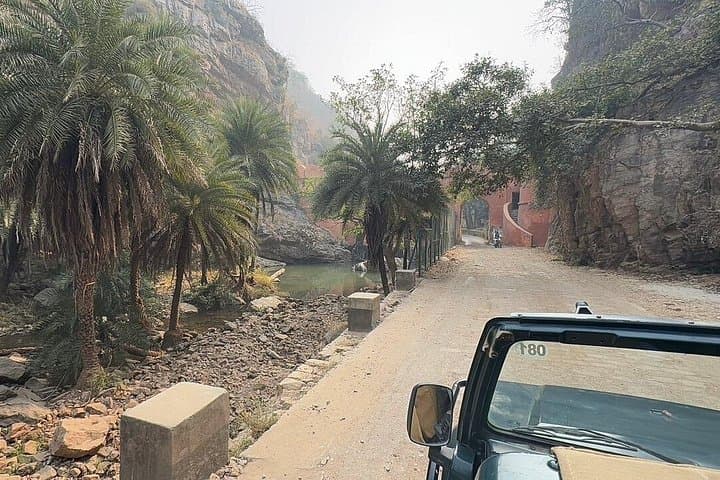
The reserve sits on old Vindhyan sandstone and was once part of the Maharajas’ hunting grounds; Ranthambore Fort, a medieval stronghold, watches over the park and tells the human history of the landscape. Geology here creates natural blinds—boulder-strewn valleys and seasonal lakes that concentrate wildlife and make early mornings especially productive. Local culture centers on Sawai Madhopur town, whose markets and temples provide a snapshot of Rajasthani life between drives.
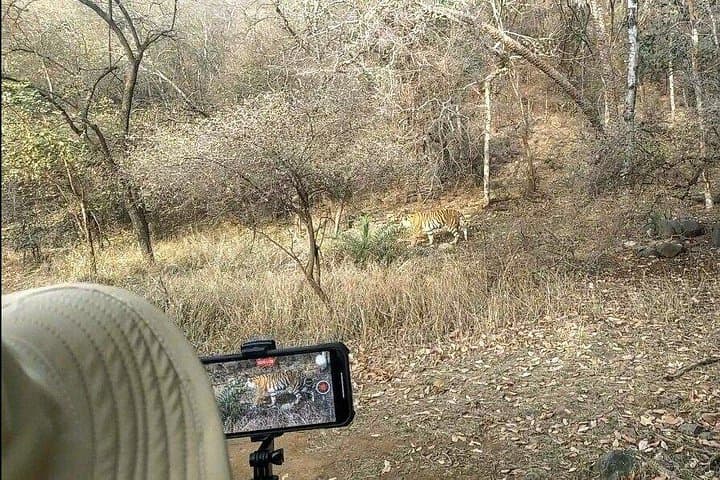
Expect two shared safaris (afternoon arrival, morning departure), short guided stops at the fort and Ganesh Temple if requested, and private transfers between Jaipur and Sawai Madhopur. Wildlife encounters vary—tigers, sambar, chital, and sloth bears use predictable water points but never on schedule; patience and quiet observation pay off. Photographers should favor long lenses and fast shutter speeds.
Practical notes: book open seats in specific park zones ahead of time, arrive for the morning window when light and activity peak, bring layers for cold mornings, and pack water and snacks since services in the park are minimal. Respect vehicle rules inside the reserve—stay seated, avoid loud voices, and follow your naturalist’s instructions for the safest, most rewarding safari.
Vehicles stay on designated tracks and maintain a safe distance; sightings can be within 20–100 meters depending on animal behavior and zone rules.
Entry is managed by the park authority and included with safari bookings; operators handle zone allocations and permits for shared safaris.
Yes—this itinerary is rated easy. Infants must sit on an adult’s lap during transport and safaris as per the provider’s policy.
October to June offers the highest chance, with winter mornings (Dec–Feb) particularly productive because animals gather near water sources.
Ranthambore safari Journeys operates guided outdoor trips and adventures with an emphasis on safety, stewardship, and memorable experiences.
At first light the gypsy’s engine hums and the scrub forest exhales—dry grass stirring, an impatient langur announcing dawn from a boulder. On this two-day loop from Jaipur, travelers trade city heat for the sun-baked plateaus and rocky ridges of Ranthambore, where tigers still move like ghosts through teak and sal trees.
At first light the gypsy’s engine hums and the scrub forest exhales—dry grass stirring, an impatient langur announcing dawn from a boulder. On this two-day loop from Jaipur, travelers trade city heat for the sun-baked plateaus and rocky ridges of Ranthambore, where tigers still move like ghosts through teak and sal trees.
The reserve sits on old Vindhyan sandstone and was once part of the Maharajas’ hunting grounds; Ranthambore Fort, a medieval stronghold, watches over the park and tells the human history of the landscape. Geology here creates natural blinds—boulder-strewn valleys and seasonal lakes that concentrate wildlife and make early mornings especially productive. Local culture centers on Sawai Madhopur town, whose markets and temples provide a snapshot of Rajasthani life between drives.
Expect two shared safaris (afternoon arrival, morning departure), short guided stops at the fort and Ganesh Temple if requested, and private transfers between Jaipur and Sawai Madhopur. Wildlife encounters vary—tigers, sambar, chital, and sloth bears use predictable water points but never on schedule; patience and quiet observation pay off. Photographers should favor long lenses and fast shutter speeds.
Practical notes: book open seats in specific park zones ahead of time, arrive for the morning window when light and activity peak, bring layers for cold mornings, and pack water and snacks since services in the park are minimal. Respect vehicle rules inside the reserve—stay seated, avoid loud voices, and follow your naturalist’s instructions for the safest, most rewarding safari.