THE ADVENTURE COLLECTIVE® · Independent discovery and booking for outdoor travel

Experience Ranthambore’s famed tiger country on a private or shared Jeep or canter safari. Expect focused wildlife watching, expert local guides, and a landscape shaped by ancient forts and seasonal lakes.
Experience Ranthambore’s famed tiger country on a private or shared Jeep or canter safari. Expect focused wildlife watching, expert local guides, and a landscape shaped by ancient forts and seasonal lakes.
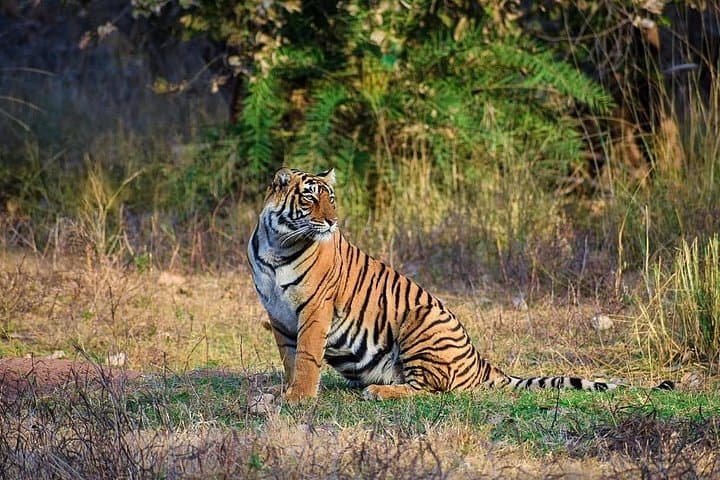
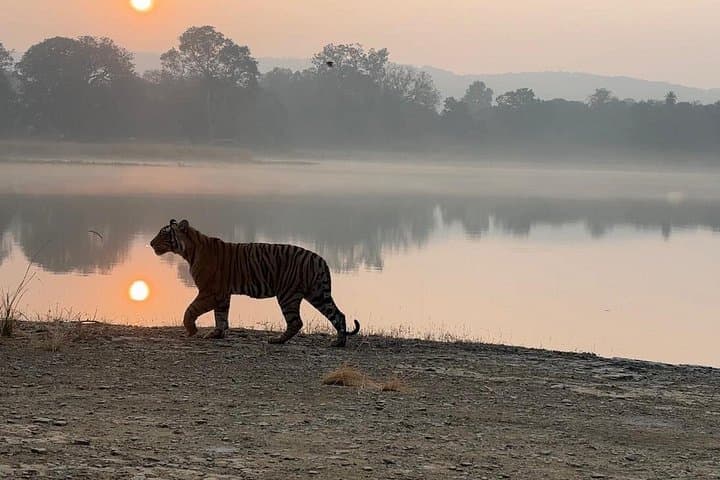
A low morning sun slices across dry sal trees as your jeep crunches over a dusty forest track. The air smells of earth and sun-baked grass; birds call insistently from the canopy and a distant waterhole gurgles like a promise. This is Ranthambore — where open forest, ruined forts, and clear ponds stage one of India’s most accessible tiger experiences.
Verified experiences and guided adventures in the surrounding area.
Operated by Ranthambhore National Park safari Booking · Sawai Madhopur, Rajasthan
A low morning sun slices across dry sal trees as your jeep crunches over a dusty forest track. The air smells of earth and sun-baked grass; birds call insistently from the canopy and a distant waterhole gurgles like a promise. This is Ranthambore — where open forest, ruined forts, and clear ponds stage one of India’s most accessible tiger experiences.
The park sits on the edge of the Aravalli uplift and grew around a 10th-century fort that still watches the plains. Its dry-deciduous forest and seasonal lakes create predictable tiger routes; drainage lines and scrub attract herbivores, which in turn shape big-cat behavior. Culturally, Sawai Madhopur town is the gateway, with local guides who read spoor and spoor like a language learned over generations.
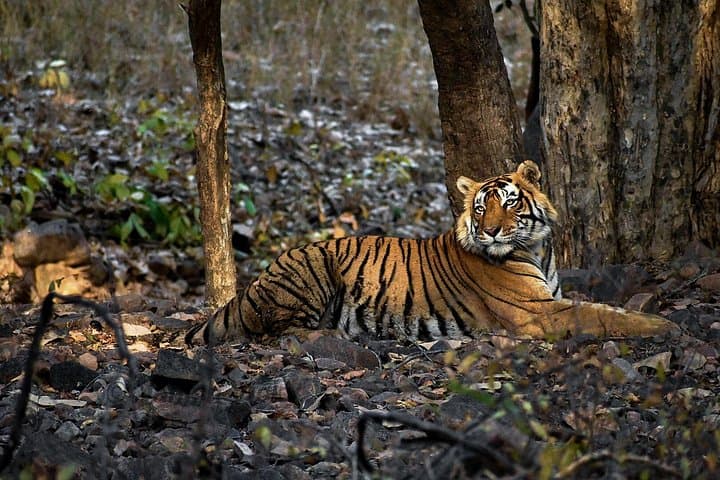
On a guided jeep or canter safari expect 3–4 hours of wildlife watching with focused stops at known vantage points; guides combine patience with localized knowledge to maximize sightings. Tigers often use shade and waterholes mid-morning or late afternoon; leopards and wild boar are more crepuscular. Photography benefits from a long lens and steady platform — jeeps are nimble, canters carry more people and greater stability.
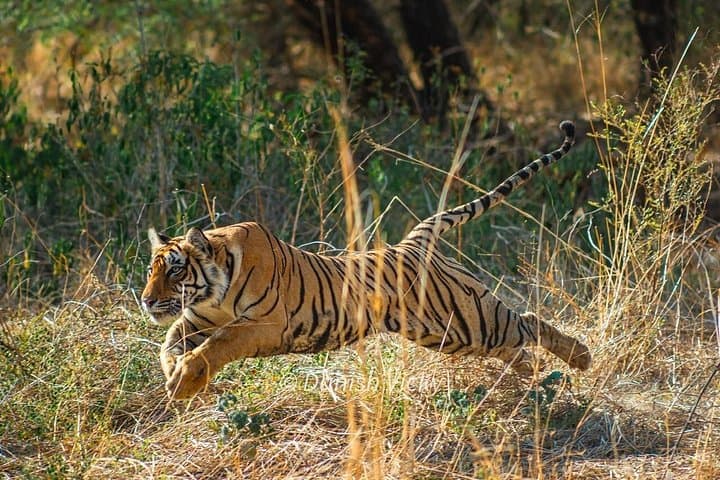
Practicalities: book the correct zone and time (morning increases sighting odds), bring water, sun protection, and layered clothing for cold winter starts. Respect park rules: no feeding, no loud noise, and follow your guide to avoid disturbing animals. Expect heat in summer, closures during monsoon, and crisp early mornings in winter — each season alters the rhythm of the reserve but not the thrill of watching a tiger appear from the trees.
Optimal months are October to June, avoiding the monsoon closure (typically July–September); cool months concentrate animals near water and improve visibility.
Jeeps are smaller and more maneuverable for closer approaches; canters hold more people and can be more stable for photography but may travel less flexibly.
Yes—safaris are low-impact seated experiences, but those with spinal, cardiac, or pregnancy-related restrictions should consult guides and medical advice before booking.
Guides use experience and park rules to position vehicles for sightings; maintain distance and never attempt to leave the vehicle or approach animals.
Ranthambhore National Park safari Booking operates guided outdoor trips and adventures with an emphasis on safety, stewardship, and memorable experiences.
A low morning sun slices across dry sal trees as your jeep crunches over a dusty forest track. The air smells of earth and sun-baked grass; birds call insistently from the canopy and a distant waterhole gurgles like a promise. This is Ranthambore — where open forest, ruined forts, and clear ponds stage one of India’s most accessible tiger experiences.
A low morning sun slices across dry sal trees as your jeep crunches over a dusty forest track. The air smells of earth and sun-baked grass; birds call insistently from the canopy and a distant waterhole gurgles like a promise. This is Ranthambore — where open forest, ruined forts, and clear ponds stage one of India’s most accessible tiger experiences.
The park sits on the edge of the Aravalli uplift and grew around a 10th-century fort that still watches the plains. Its dry-deciduous forest and seasonal lakes create predictable tiger routes; drainage lines and scrub attract herbivores, which in turn shape big-cat behavior. Culturally, Sawai Madhopur town is the gateway, with local guides who read spoor and spoor like a language learned over generations.
On a guided jeep or canter safari expect 3–4 hours of wildlife watching with focused stops at known vantage points; guides combine patience with localized knowledge to maximize sightings. Tigers often use shade and waterholes mid-morning or late afternoon; leopards and wild boar are more crepuscular. Photography benefits from a long lens and steady platform — jeeps are nimble, canters carry more people and greater stability.
Practicalities: book the correct zone and time (morning increases sighting odds), bring water, sun protection, and layered clothing for cold winter starts. Respect park rules: no feeding, no loud noise, and follow your guide to avoid disturbing animals. Expect heat in summer, closures during monsoon, and crisp early mornings in winter — each season alters the rhythm of the reserve but not the thrill of watching a tiger appear from the trees.