THE ADVENTURE COLLECTIVE® · Independent discovery and booking for outdoor travel

A full‑day wildlife safari from Jaipur to Ranthambore offers a focused chance to see Bengal tigers, marsh crocodiles and Rajput-era forts. Early starts, park permits and a mix of private or shared gypsy vehicles shape the experience—tiger sightings are thrilling but never certain.
A full‑day wildlife safari from Jaipur to Ranthambore offers a focused chance to see Bengal tigers, marsh crocodiles and Rajput-era forts. Early starts, park permits and a mix of private or shared gypsy vehicles shape the experience—tiger sightings are thrilling but never certain.
You step out before dawn as the minivan hums onto the highway and the scrub of Rajasthan slides into frame. The forest breathes low and hot; ponds smoke in the first light and an open gypsy waits under a tamarind for the day’s run. The air seems to hold its own patience—wildlife will reveal itself on its terms.
Verified experiences and guided adventures in the surrounding area.
Operated by Unseen Tours and Travels · Sawai Madhopur, Rajasthan
You step out before dawn as the minivan hums onto the highway and the scrub of Rajasthan slides into frame. The forest breathes low and hot; ponds smoke in the first light and an open gypsy waits under a tamarind for the day’s run. The air seems to hold its own patience—wildlife will reveal itself on its terms.
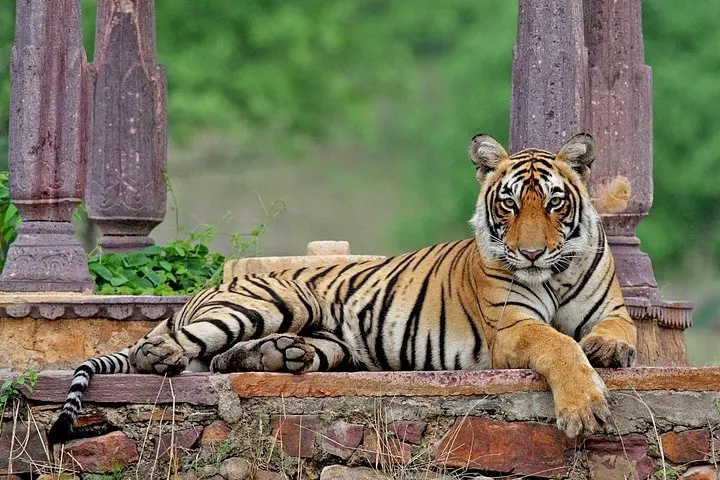
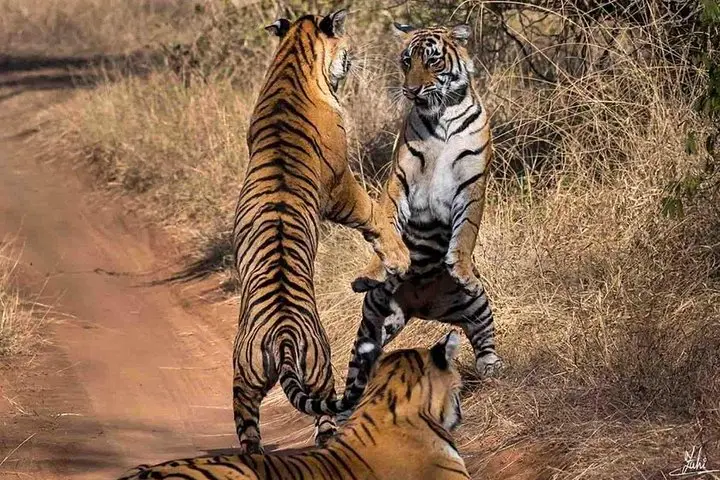
Ranthambore National Park sits on the edge of the Vindhyan-Aravalli transition, where granite outcrops and seasonal lakes like Padam Talao punctuate dry sal forest. Once a royal hunting reserve centered on the 10th‑century Ranthambore Fort, the park is now one of India’s most accessible tiger habitats and home to famed individuals such as Machli the tigress, whose photographs made Ranthambore famous worldwide.
Culturally the area mixes Rajput history and village life; temple bells and roadside chai stalls are common near park gates. Geology shapes sightings here—rocky ledges and waterholes funnel animals into view, so drivers and spotters use terrain as a guide.
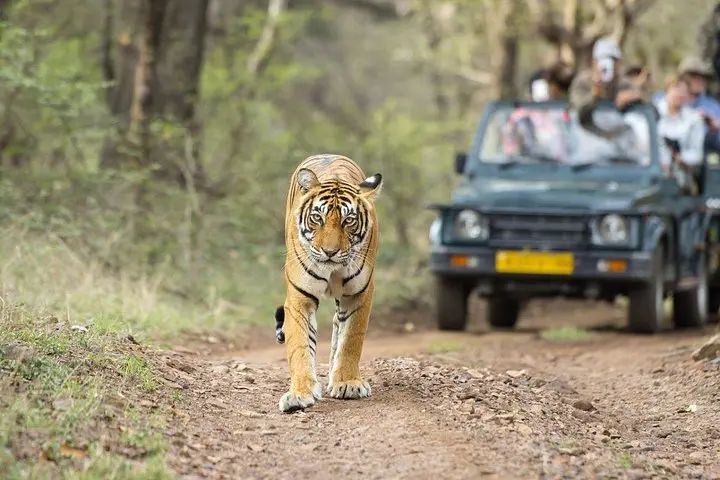
Practically: expect a long day (this full-day option runs roughly 12 hours with transfers), early starts, and travel over bumpy forest tracks in shared or private gypsy vehicles. Park permits and entry fees apply and tiger sightings are never guaranteed. Bring binoculars, spare batteries, sun protection and neutral clothing; avoid strong perfumes. Guides are typically assigned with private gypsies under government rules, and vehicles must follow strict routes to limit disturbance.
The experience balances patient watching and sudden movement—a chance to see a top predator against a backdrop of forts, waterholes, and scrub forest. Plan for heat, respect park rules, and let the landscape set the pace.
Road transfer is typically 3–4 hours each way depending on traffic; the tour includes round‑trip private minivan transfer.
No—tiger viewing depends on chance, season, and animal movements; the park gives good odds but sightings cannot be promised.
Guides are provided when you book a private gypsy per government rules; shared gypsies may not include a dedicated guide.
The activity is not recommended for travelers with serious heart conditions or pregnant guests; infants must sit on laps and all visitors should follow park safety guidelines.
Unseen Tours and Travels operates guided outdoor trips and adventures with an emphasis on safety, stewardship, and memorable experiences.

You step out before dawn as the minivan hums onto the highway and the scrub of Rajasthan slides into frame. The forest breathes low and hot; ponds smoke in the first light and an open gypsy waits under a tamarind for the day’s run. The air seems to hold its own patience—wildlife will reveal itself on its terms.
You step out before dawn as the minivan hums onto the highway and the scrub of Rajasthan slides into frame. The forest breathes low and hot; ponds smoke in the first light and an open gypsy waits under a tamarind for the day’s run. The air seems to hold its own patience—wildlife will reveal itself on its terms.
Ranthambore National Park sits on the edge of the Vindhyan-Aravalli transition, where granite outcrops and seasonal lakes like Padam Talao punctuate dry sal forest. Once a royal hunting reserve centered on the 10th‑century Ranthambore Fort, the park is now one of India’s most accessible tiger habitats and home to famed individuals such as Machli the tigress, whose photographs made Ranthambore famous worldwide.
Culturally the area mixes Rajput history and village life; temple bells and roadside chai stalls are common near park gates. Geology shapes sightings here—rocky ledges and waterholes funnel animals into view, so drivers and spotters use terrain as a guide.
Practically: expect a long day (this full-day option runs roughly 12 hours with transfers), early starts, and travel over bumpy forest tracks in shared or private gypsy vehicles. Park permits and entry fees apply and tiger sightings are never guaranteed. Bring binoculars, spare batteries, sun protection and neutral clothing; avoid strong perfumes. Guides are typically assigned with private gypsies under government rules, and vehicles must follow strict routes to limit disturbance.
The experience balances patient watching and sudden movement—a chance to see a top predator against a backdrop of forts, waterholes, and scrub forest. Plan for heat, respect park rules, and let the landscape set the pace.