THE ADVENTURE COLLECTIVE® · Independent discovery and booking for outdoor travel

Walk forested trails and raised platforms to watch polar bears, lynx, reindeer and more at Ranua Wildlife Park. This family-friendly Arctic reserve lies about an hour from Rovaniemi and pairs close-up animal viewing with practical conservation education.
Walk forested trails and raised platforms to watch polar bears, lynx, reindeer and more at Ranua Wildlife Park. This family-friendly Arctic reserve lies about an hour from Rovaniemi and pairs close-up animal viewing with practical conservation education.
A morning fog lifts off the square ponds as you step onto a gravel path that threads through northern forests — the air carries the sharp, sap-sweet tang of spruce and the impatient scratch of wildfowl. At Ranua Wildlife Park the landscape is both stage and actor: wooden viewing platforms, shallow moats, and open enclosures let you watch arctic species move like chapters from a northern field guide.
Verified experiences and guided adventures in the surrounding area.
Operated by Wonderlapland · Ranua, Lapland
A morning fog lifts off the square ponds as you step onto a gravel path that threads through northern forests — the air carries the sharp, sap-sweet tang of spruce and the impatient scratch of wildfowl. At Ranua Wildlife Park the landscape is both stage and actor: wooden viewing platforms, shallow moats, and open enclosures let you watch arctic species move like chapters from a northern field guide.
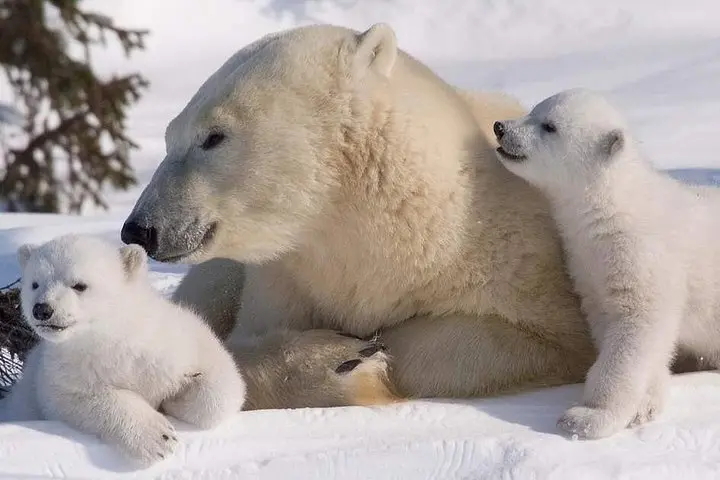
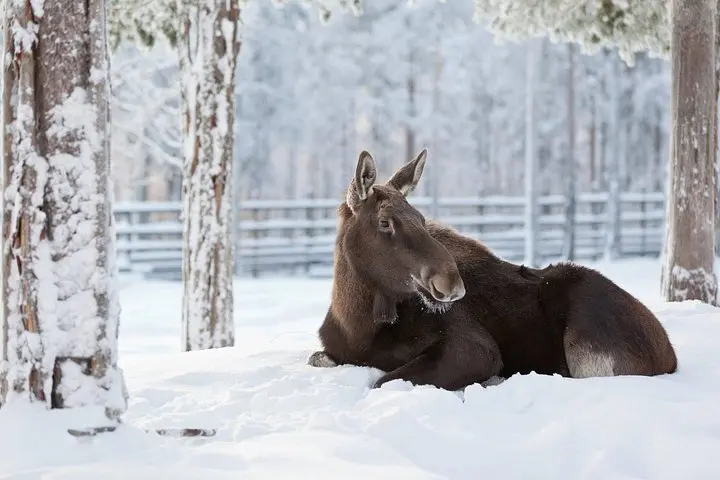
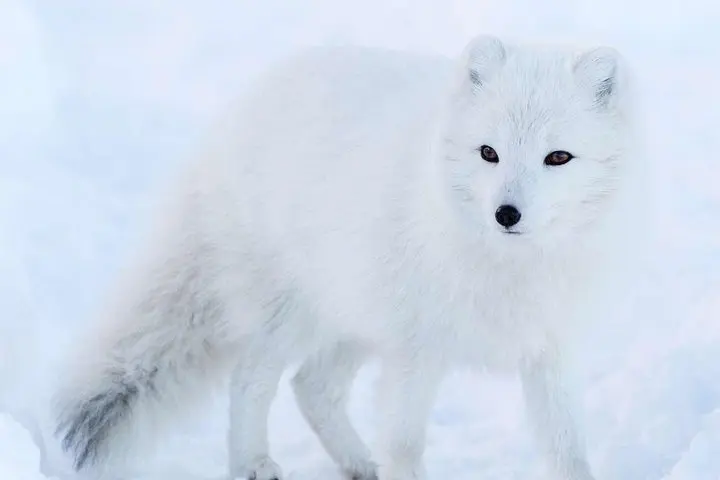
Opened in the 1980s to showcase Finland's subarctic fauna, Ranua’s collection includes roughly 50 species and about 200 specimens, from wily reindeer to the park’s most talked-about resident, a polar bear born to an Arctic lineage. The geology is simple: glacially scoured terrain, shallow peatlands and late-ice soils that give way to mixed pine and birch stands — ideal habitat for forest predators and boreal birds.
Culturally, the park connects modern tourism to traditional Lappish relationships with animals; you’ll see interpretive signs explaining local practices and conservation priorities. Expect a family-friendly rhythm: slow walks between enclosures, close-up viewing at racks designed for minimal disturbance, and a lunch break at the onsite cafeteria.
Practical guidance: allow about five hours for bus pickup, park time and lunch; dress in waterproof layers and sturdy shoes, as paths can be muddy. Peak viewing happens in the quieter hours — early morning or late afternoon — when animals are most active. Respect barriers, keep noise low, and bring binoculars or a zoom lens for unobstructed wildlife watching. Ranua offers an easy, informative Arctic wildlife introduction without backcountry commitment.
The park is about a one-hour drive south of Rovaniemi; many tours include pickup and drop-off from town.
Lunch is listed as included on this tour; there are also a café and small shops at the park for snacks and souvenirs.
Yes — paths are family-friendly and the park provides infant seats and accessible viewing areas, but maintain supervision near enclosures.
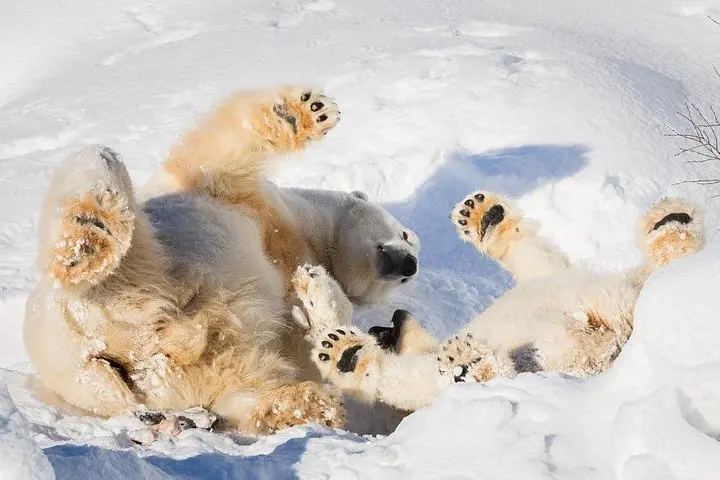
Polar bears are permanent residents, but their visible activity varies by season and enclosure management; early or late-day visits often improve sightings.
Wonderlapland operates guided outdoor trips and adventures with an emphasis on safety, stewardship, and memorable experiences.
A morning fog lifts off the square ponds as you step onto a gravel path that threads through northern forests — the air carries the sharp, sap-sweet tang of spruce and the impatient scratch of wildfowl. At Ranua Wildlife Park the landscape is both stage and actor: wooden viewing platforms, shallow moats, and open enclosures let you watch arctic species move like chapters from a northern field guide.
A morning fog lifts off the square ponds as you step onto a gravel path that threads through northern forests — the air carries the sharp, sap-sweet tang of spruce and the impatient scratch of wildfowl. At Ranua Wildlife Park the landscape is both stage and actor: wooden viewing platforms, shallow moats, and open enclosures let you watch arctic species move like chapters from a northern field guide.
Opened in the 1980s to showcase Finland's subarctic fauna, Ranua’s collection includes roughly 50 species and about 200 specimens, from wily reindeer to the park’s most talked-about resident, a polar bear born to an Arctic lineage. The geology is simple: glacially scoured terrain, shallow peatlands and late-ice soils that give way to mixed pine and birch stands — ideal habitat for forest predators and boreal birds.
Culturally, the park connects modern tourism to traditional Lappish relationships with animals; you’ll see interpretive signs explaining local practices and conservation priorities. Expect a family-friendly rhythm: slow walks between enclosures, close-up viewing at racks designed for minimal disturbance, and a lunch break at the onsite cafeteria.
Practical guidance: allow about five hours for bus pickup, park time and lunch; dress in waterproof layers and sturdy shoes, as paths can be muddy. Peak viewing happens in the quieter hours — early morning or late afternoon — when animals are most active. Respect barriers, keep noise low, and bring binoculars or a zoom lens for unobstructed wildlife watching. Ranua offers an easy, informative Arctic wildlife introduction without backcountry commitment.