THE ADVENTURE COLLECTIVE® · Independent discovery and booking for outdoor travel

Leave Montego Bay’s beaches for a 2–3 hour ATV loop into Roaring River village: coffee roasting demos, limestone pools, farm tracks and a guided look at local Rastafari culture. This tour pairs easy side-by-side driving with hands-on food and cultural experiences.
Leave Montego Bay’s beaches for a 2–3 hour ATV loop into Roaring River village: coffee roasting demos, limestone pools, farm tracks and a guided look at local Rastafari culture. This tour pairs easy side-by-side driving with hands-on food and cultural experiences.
A warm wind carries the scent of wet earth and coffee as side-by-side ATVs rumble away from Montego Bay toward Roaring River. Riders leave the coastal bustle for a sequence of farms, hillside tracks and a compact village of about 500 people, where the pace changes and the countryside starts to speak. The machines climb through dirt roads, skirt shaded groves and pause at a limestone-fed pool where the water offers an immediate, cool welcome.
Verified experiences and guided adventures in the surrounding area.
Operated by Rastasafari Experience · Montego Bay, St. James
A warm wind carries the scent of wet earth and coffee as side-by-side ATVs rumble away from Montego Bay toward Roaring River. Riders leave the coastal bustle for a sequence of farms, hillside tracks and a compact village of about 500 people, where the pace changes and the countryside starts to speak. The machines climb through dirt roads, skirt shaded groves and pause at a limestone-fed pool where the water offers an immediate, cool welcome.
This corridor of western Jamaica sits on uplifted limestone with shallow soils carved by seasonal streams; local history blends Maroon and peasant farming traditions with a more recent Rastafari presence that shapes food, music and land use. Guides introduce visitors to Blue Mountain coffee preparation, explain small-scale agriculture and point out patches of ganja that are part of the community’s cultural fabric. The trip also highlights simple geology—calcium-rich springs, farm terraces and alluvial plains where fruit trees, yams and vegetables grow.
Practical guidance: the experience runs about 2–3 hours, includes hotel pickup, a safety briefing and a homemade lunch, and is suitable for novices on side-by-sides (not quad ATVs). Expect unpaved, sometimes steep tracks and multiple short stops for swimming and tasting fresh fruit; follow guides’ instructions when near cultivated or sacred sites. Bring closed-toe shoes, sun protection, and a small dry bag for electronics. Respect local customs when photographing people and crops, and be prepared for warm, humid weather year-round. With clear instructions and moderate terrain, this tour blends hands-on driving with cultural exchange and refreshing natural stops.
No. The tour provides an on-site briefing and uses driven side-by-sides designed for two people; beginners are guided on basic handling and safety.
Yes, stops are in shallow limestone pools or springs—always follow the guide’s instructions about where to enter and watch for slippery rock surfaces.
Yes; hotel pickup and drop-off from Montego Bay properties are included in the tour price as part of the itinerary.
Photography is allowed, but be respectful: ask permission before photographing individuals, and follow any requests by guides or residents.
Rastasafari Experience operates guided outdoor trips and adventures with an emphasis on safety, stewardship, and memorable experiences.
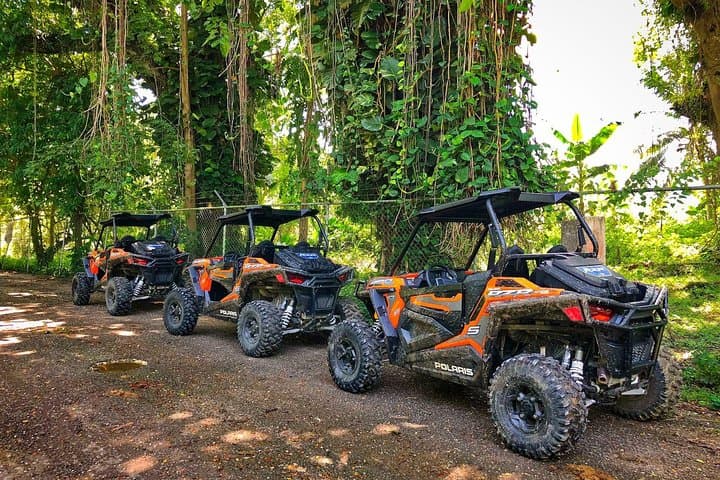
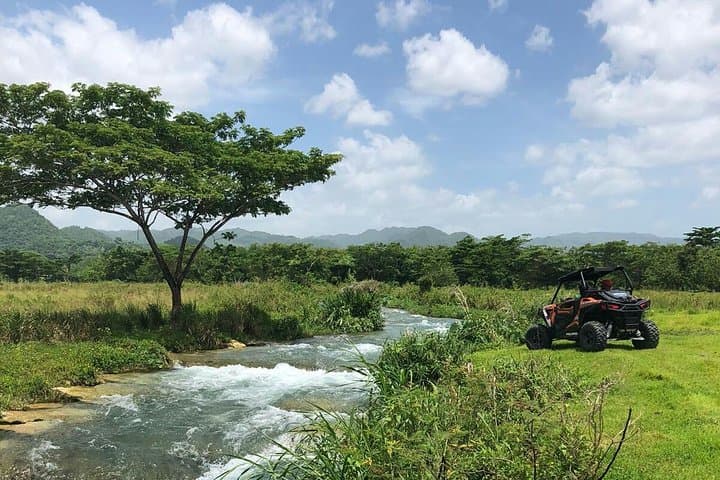
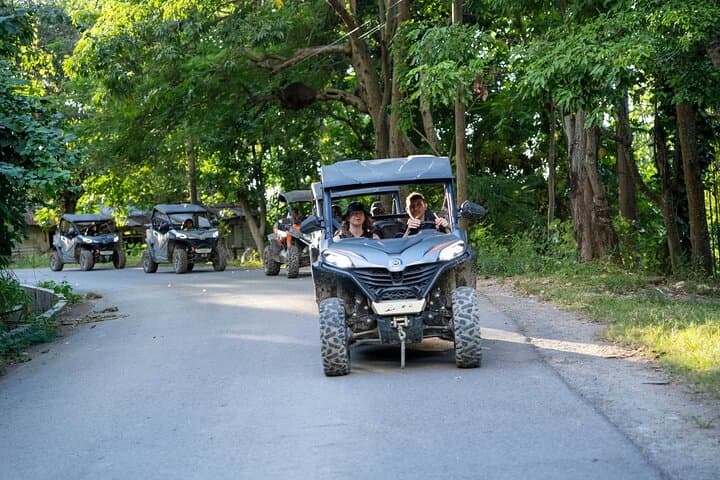
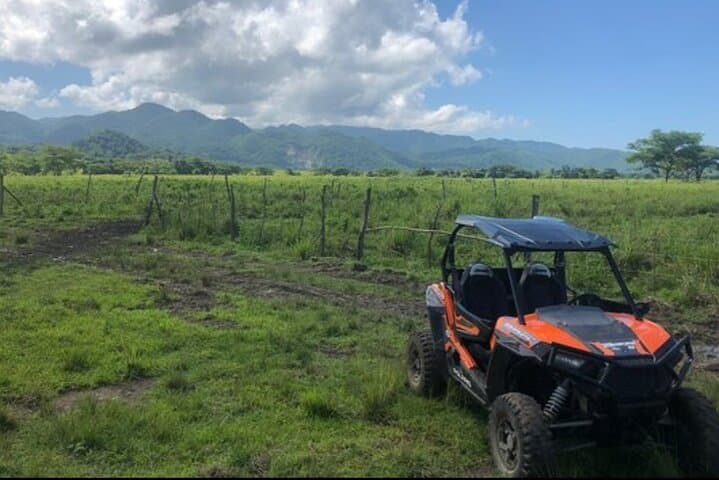
A warm wind carries the scent of wet earth and coffee as side-by-side ATVs rumble away from Montego Bay toward Roaring River. Riders leave the coastal bustle for a sequence of farms, hillside tracks and a compact village of about 500 people, where the pace changes and the countryside starts to speak. The machines climb through dirt roads, skirt shaded groves and pause at a limestone-fed pool where the water offers an immediate, cool welcome.
A warm wind carries the scent of wet earth and coffee as side-by-side ATVs rumble away from Montego Bay toward Roaring River. Riders leave the coastal bustle for a sequence of farms, hillside tracks and a compact village of about 500 people, where the pace changes and the countryside starts to speak. The machines climb through dirt roads, skirt shaded groves and pause at a limestone-fed pool where the water offers an immediate, cool welcome.
This corridor of western Jamaica sits on uplifted limestone with shallow soils carved by seasonal streams; local history blends Maroon and peasant farming traditions with a more recent Rastafari presence that shapes food, music and land use. Guides introduce visitors to Blue Mountain coffee preparation, explain small-scale agriculture and point out patches of ganja that are part of the community’s cultural fabric. The trip also highlights simple geology—calcium-rich springs, farm terraces and alluvial plains where fruit trees, yams and vegetables grow.
Practical guidance: the experience runs about 2–3 hours, includes hotel pickup, a safety briefing and a homemade lunch, and is suitable for novices on side-by-sides (not quad ATVs). Expect unpaved, sometimes steep tracks and multiple short stops for swimming and tasting fresh fruit; follow guides’ instructions when near cultivated or sacred sites. Bring closed-toe shoes, sun protection, and a small dry bag for electronics. Respect local customs when photographing people and crops, and be prepared for warm, humid weather year-round. With clear instructions and moderate terrain, this tour blends hands-on driving with cultural exchange and refreshing natural stops.